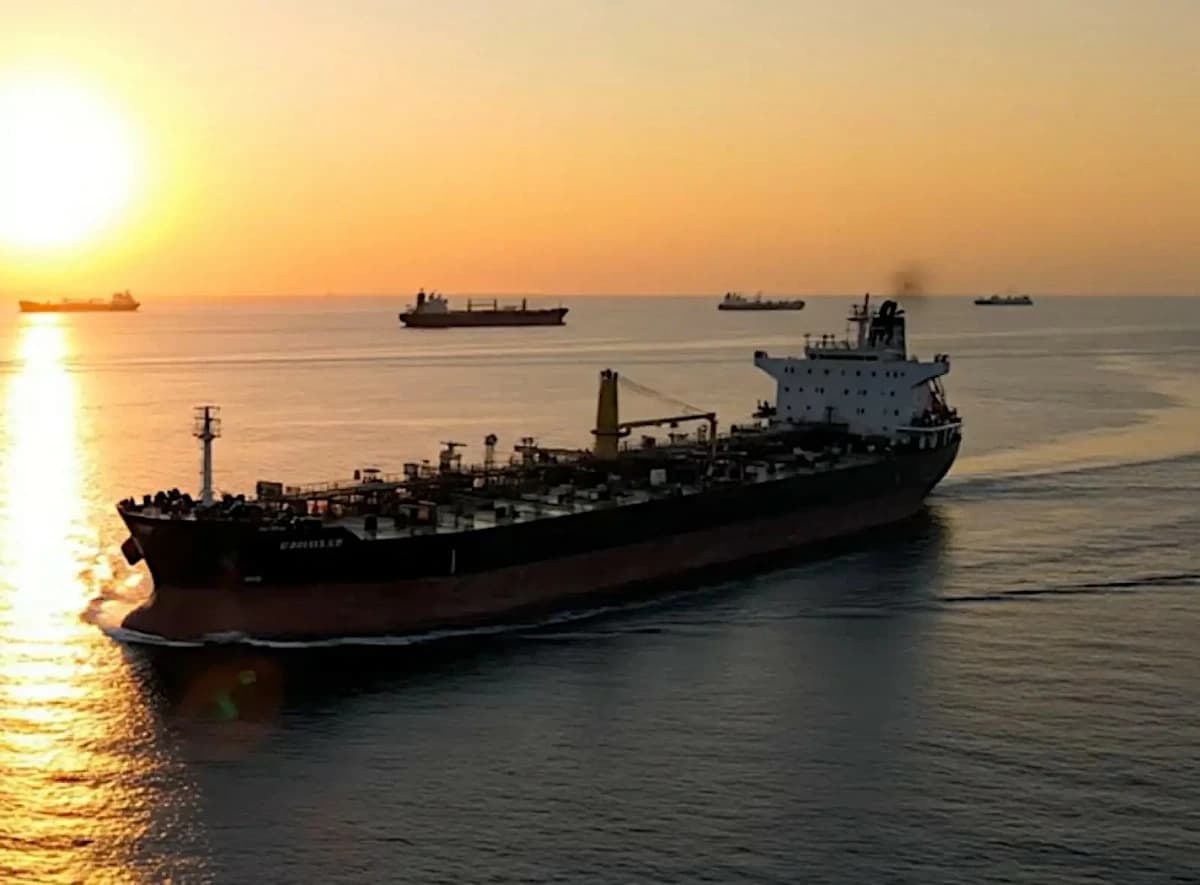
Cuba fuel crisis leaves nearly 3 million facing daily water shortages
Nearly 3 million Cubans faced daily water shortages as fuel ran so low that the island’s water system was operating at just 37% of what it needed.
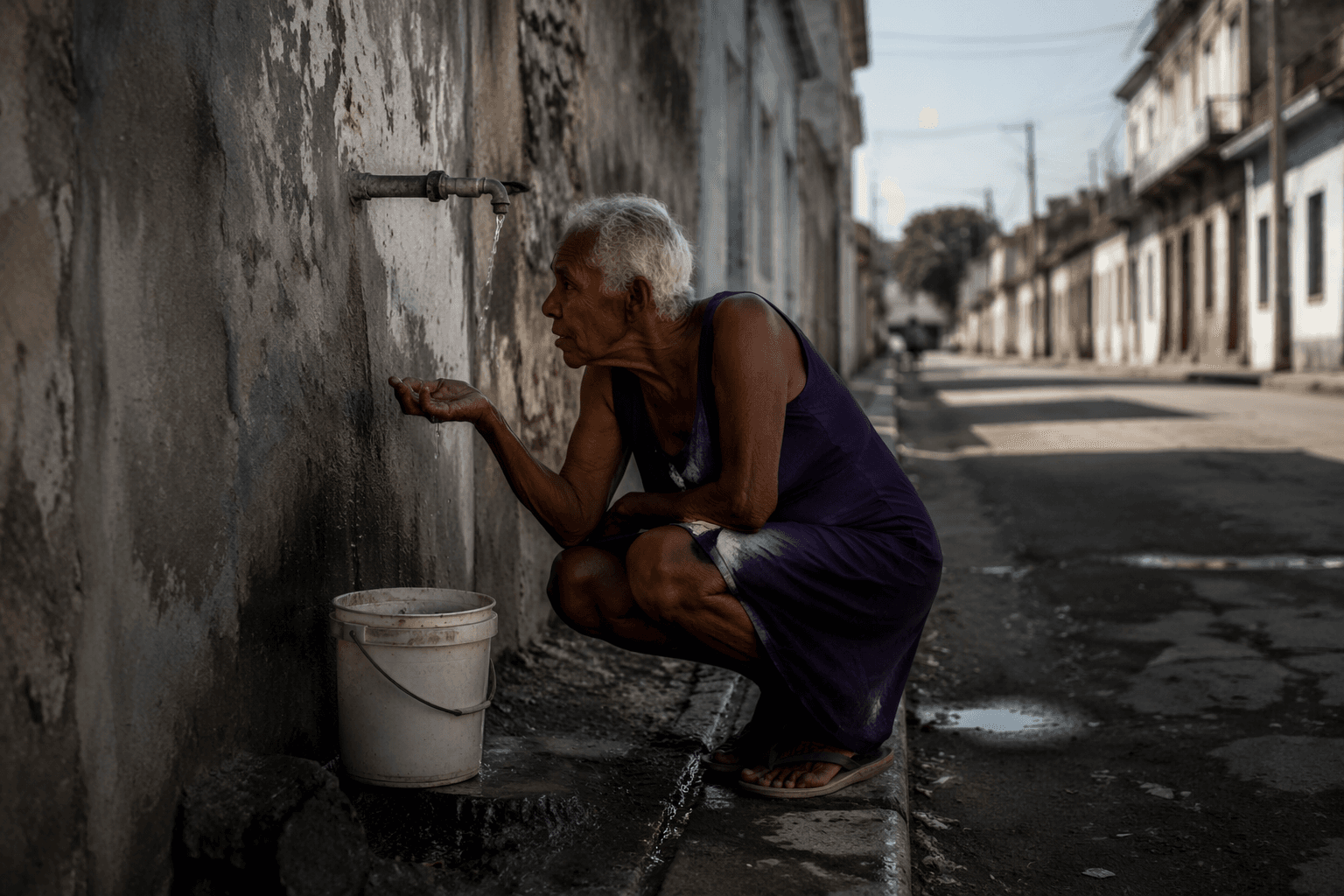
Cuba’s fuel crisis has become a water crisis, with nearly 3 million people facing daily shortages as pumps, treatment plants and repair crews ran short of the diesel and electricity needed to keep taps flowing. In Havana, people lined up with plastic containers and filled jugs from tanker trucks, a daily scramble that showed how quickly an energy failure had turned into a basic-services emergency.
Officials said the island’s water system was operating with only 37% of the fuel it required, leaving one of the country’s most energy-intensive networks badly strained. Pumping water, cleaning septic systems and clearing blockages all depended on fuel and power, and aging infrastructure made the problem worse in Havana, Santiago de Cuba and Matanzas, where oversaturated pumping stations struggled to keep up.
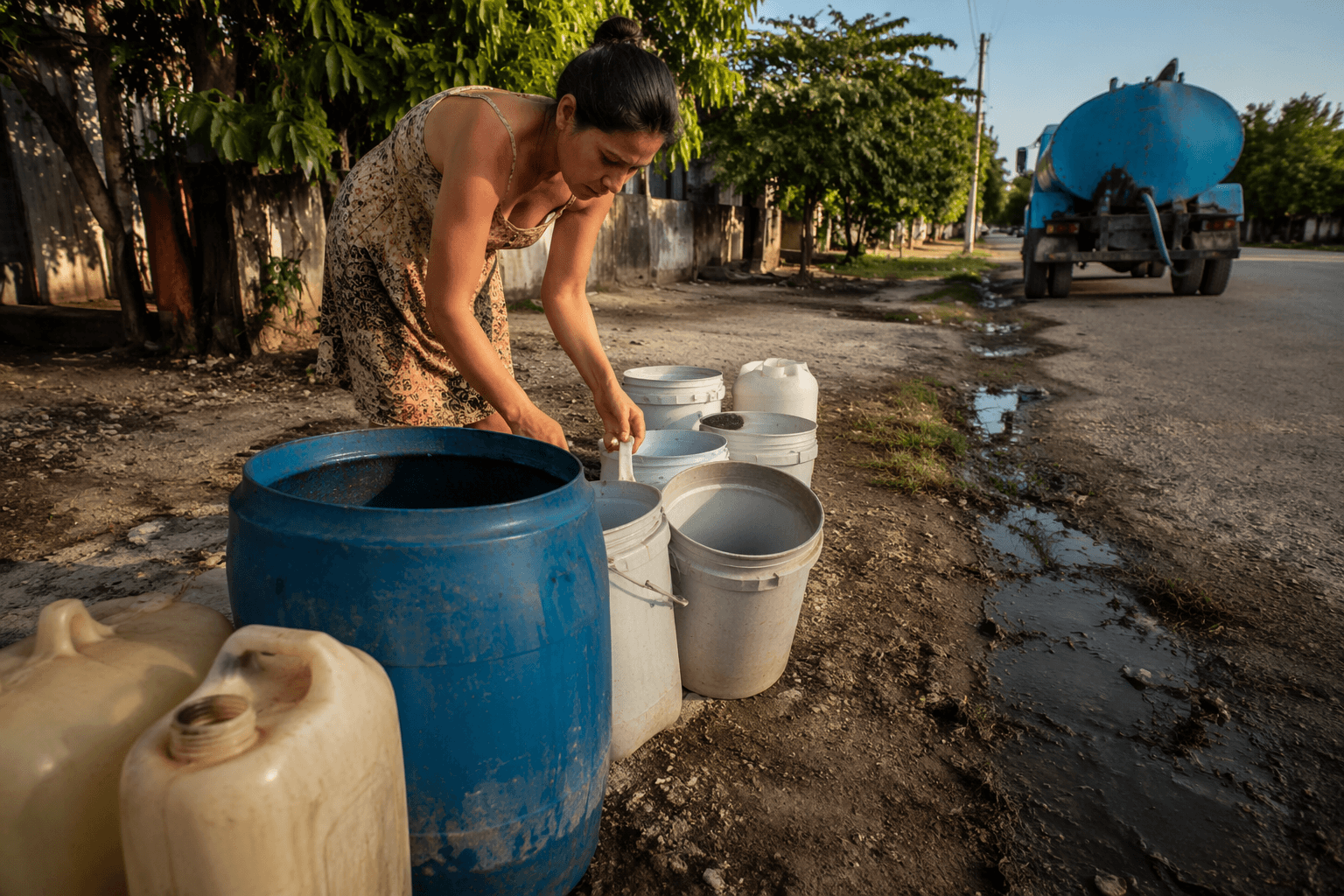
The shortage reached far beyond those cities. Authorities said intermittent water supply was affecting an overall population of nearly 10 million people, essentially the whole country, as households coped with erratic deliveries and utilities fought to keep treatment systems and repair operations running. The government linked the fuel crunch to the United States economic blockade, but the impact was felt in kitchens, hospitals and apartment blocks, where a missed delivery could mean no running water for hours or days.
The crisis was discussed on May 28 during a roundtable on the blockade, where officials framed the problem as part of Cuba’s worst energy crisis in years. That wider emergency had already produced severe blackouts in March and May, including outages lasting more than 20 hours in some places, underscoring how tightly electricity, fuel and water had become intertwined. When power failed, pumps stopped. When fuel ran short, repairs slowed. When repairs slowed, the water system fell further behind.
The United Nations said Cuba’s humanitarian needs remained acute and persistent, and that access to fuel was a determining factor for whether support operations could function at all. For millions of Cubans, the crisis was no longer an abstract shortage measured in barrels or megawatts. It was the absence of water in daily life, a systems breakdown that made every gallon more expensive to move and every interruption harder to recover from.
This article was produced by Prism’s automated news system from verified source data, official records, and press releases, then run through automated quality and moderation checks before publishing. The system is built and supervised by the people who set the standards it runs under. Read our full AI policy.
Know something we missed? Have a correction or additional information?
Submit a Tip