U.S. disables merchant ship heading toward Iran in Gulf of Oman
A Gambia-flagged ship was hit in the Gulf of Oman after 20 warnings, pushing a maritime blockade deeper into the gray zone of wartime enforcement.
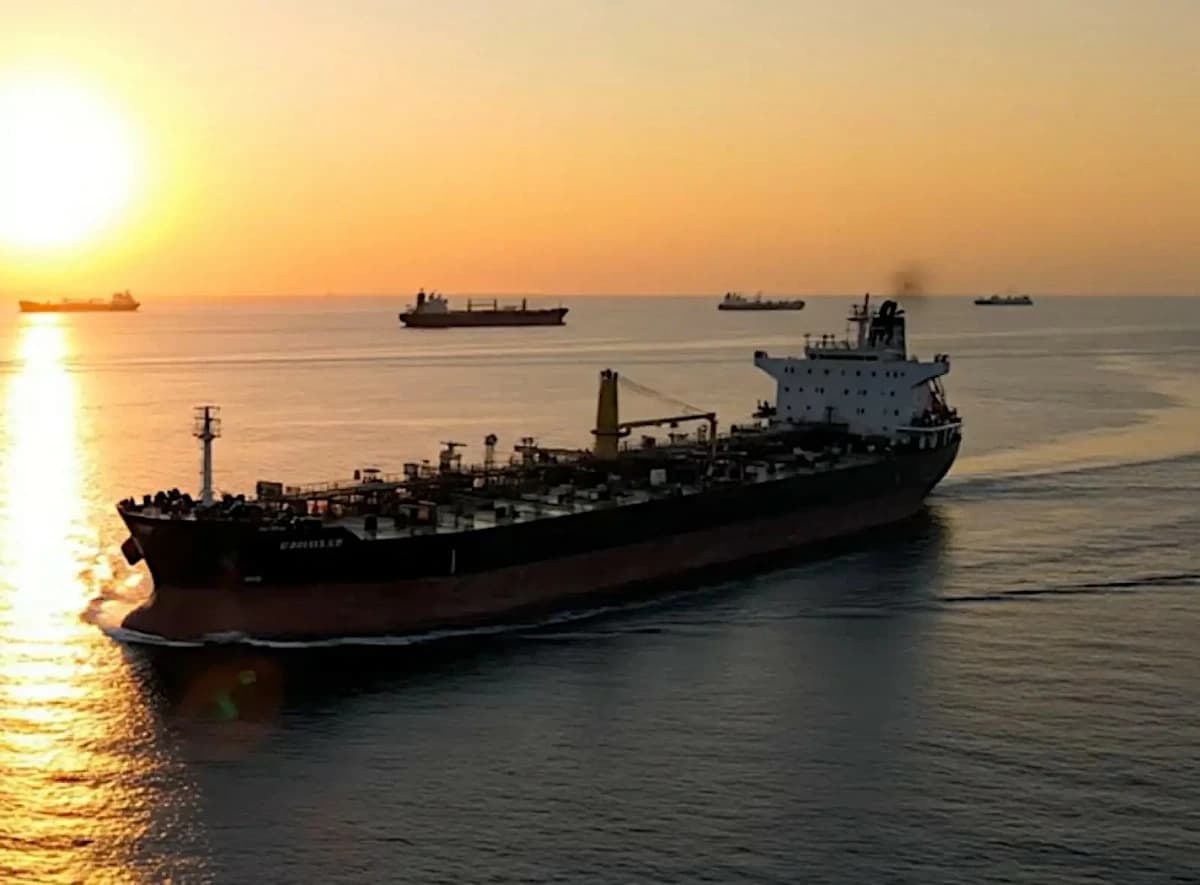
The U.S. military disabled a Gambia-flagged merchant vessel in the Gulf of Oman after it kept heading toward an Iranian port, a move that sharpened the risk of direct confrontation even as Washington said it was enforcing a blockade rather than declaring war.
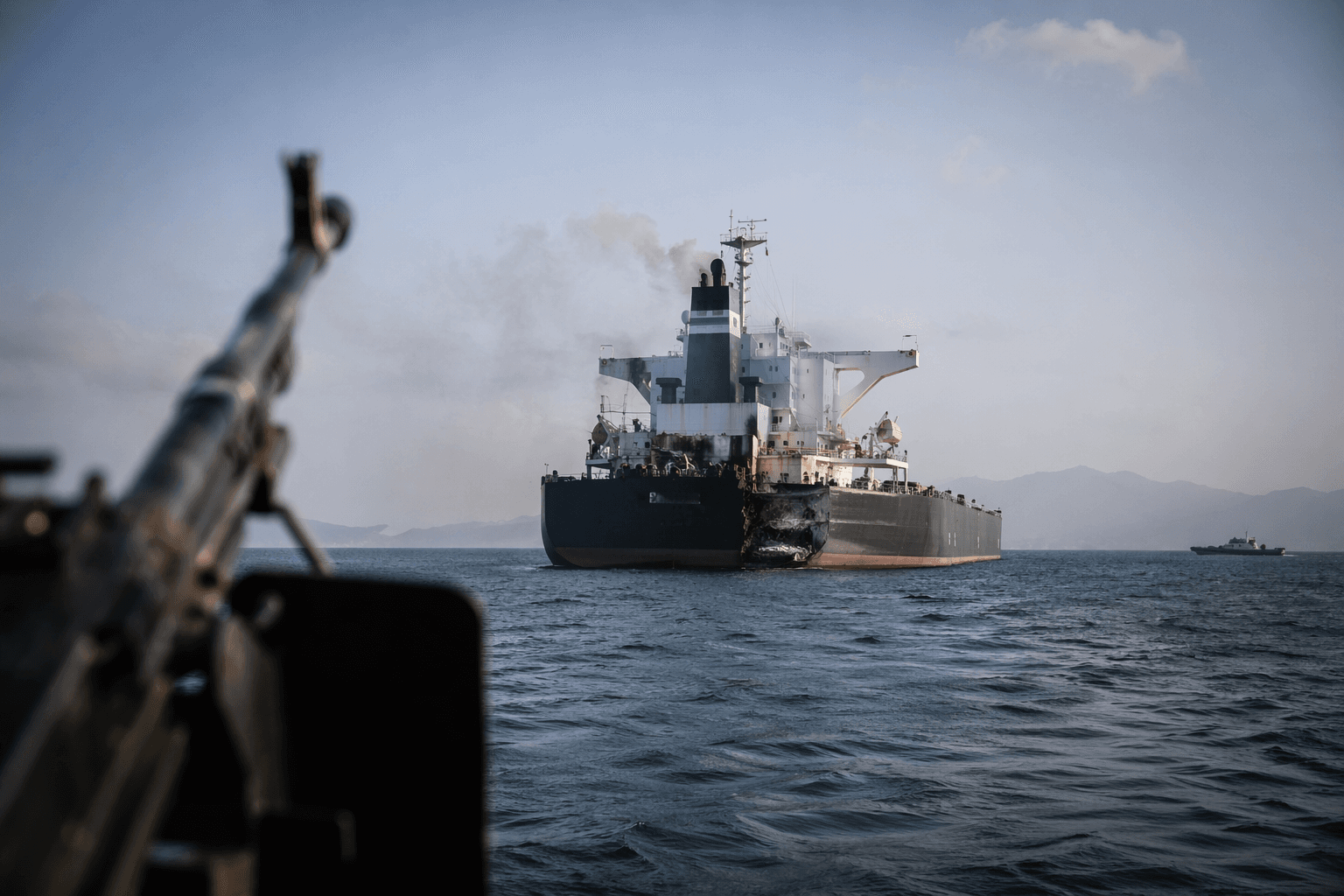
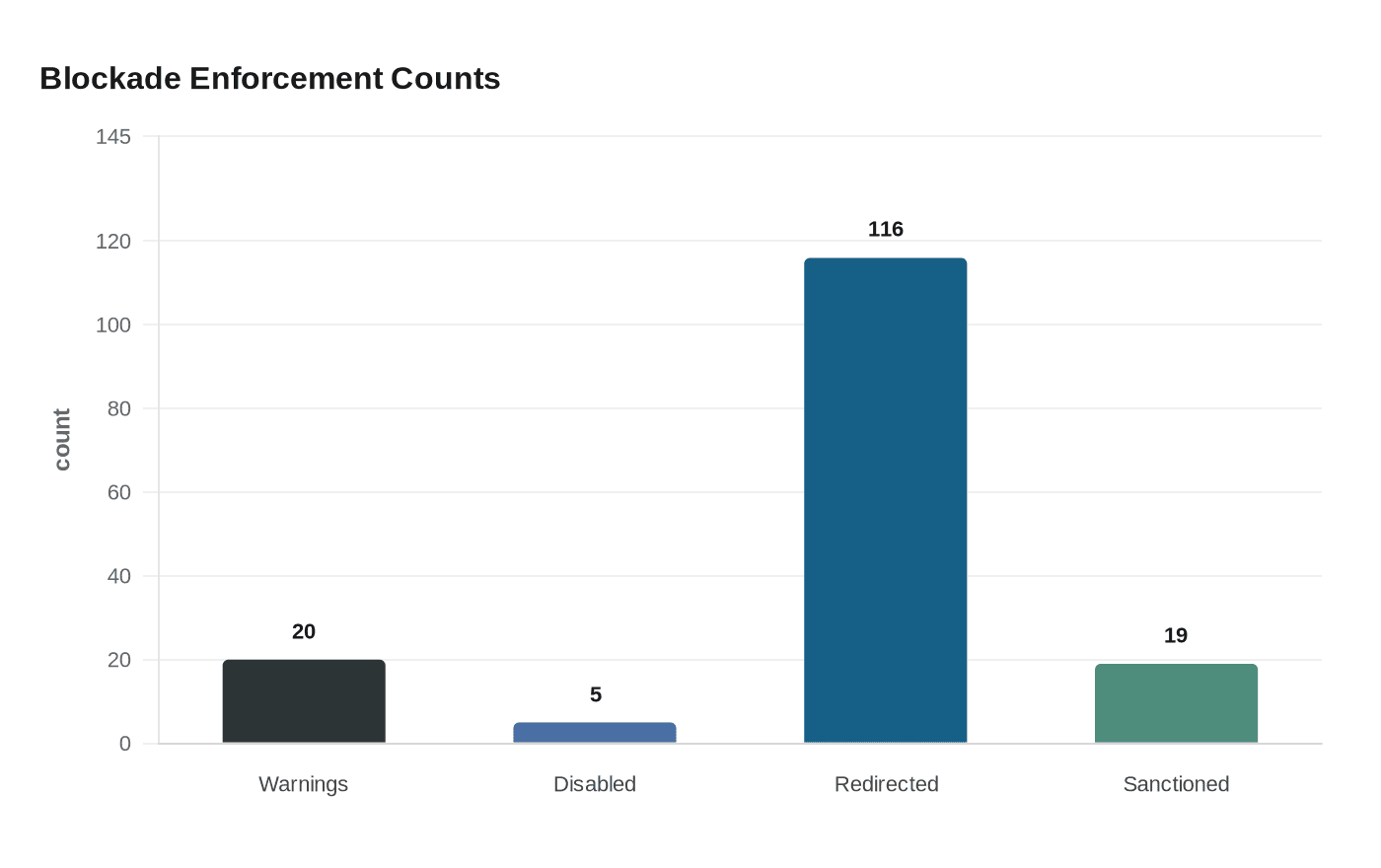
U.S. Central Command said the M/V Lian Star was in international waters on May 29, moving toward Iran when U.S. forces issued more than 20 warnings. After the crew did not comply, a U.S. aircraft fired a Hellfire missile into the ship’s engine room, stopping the vessel’s transit. CENTCOM said the ship was no longer heading for Iran after the strike.
The episode is the clearest sign yet of how blockade enforcement can turn commercial shipping into a flashpoint. CENTCOM said the operation began on April 13 under a presidential proclamation and applies to vessels of all nations entering or leaving Iranian ports and coastal areas, including ports in the Arabian Gulf and the Gulf of Oman. By May 30, U.S. forces said they had disabled five commercial vessels and redirected 116. A previous CENTCOM milestone on May 23 said the campaign had redirected 100 ships, disabled four, and allowed 26 humanitarian aid ships to pass.
Washington has paired the maritime campaign with legal and diplomatic pressure. On May 5, the State Department said the United States and Gulf partners had drafted a United Nations Security Council resolution to defend freedom of navigation in the Strait of Hormuz, after warning that Iran was threatening to close the waterway, lay sea mines, and try to charge tolls. On May 19, the department announced sanctions on 19 vessels tied to Iranian shipping and oil-evasion networks.
The blockade has also been backed by a major military footprint. CENTCOM said more than 15,000 U.S. soldiers, sailors, Marines and airmen were supporting the mission, along with more than 200 aircraft and warships, including the Abraham Lincoln Carrier Strike Group, the George H.W. Bush Carrier Strike Group, the Tripoli Amphibious Ready Group/31st Marine Expeditionary Unit and multiple guided-missile destroyers.
Iran has answered with accusations that the U.S. is escalating under the cover of enforcement. Mohsen Rezaei, an adviser to Iran’s supreme leader, said the Americans were “betraying diplomacy” by carrying out the naval blockade, even as peace talks continued. In a narrow strait where commercial traffic is tightly watched and every interception carries strategic weight, the line between interdiction and escalation is getting thinner by the day.
This article was produced by Prism’s automated news system from verified source data, official records, and press releases, then run through automated quality and moderation checks before publishing. The system is built and supervised by the people who set the standards it runs under. Read our full AI policy.
Know something we missed? Have a correction or additional information?
Submit a Tip