How Putin reinvented himself from KGB agent to wartime ruler
Putin's power has always been visual: from a hidden KGB man in Dresden to a war leader, each persona served a political need.
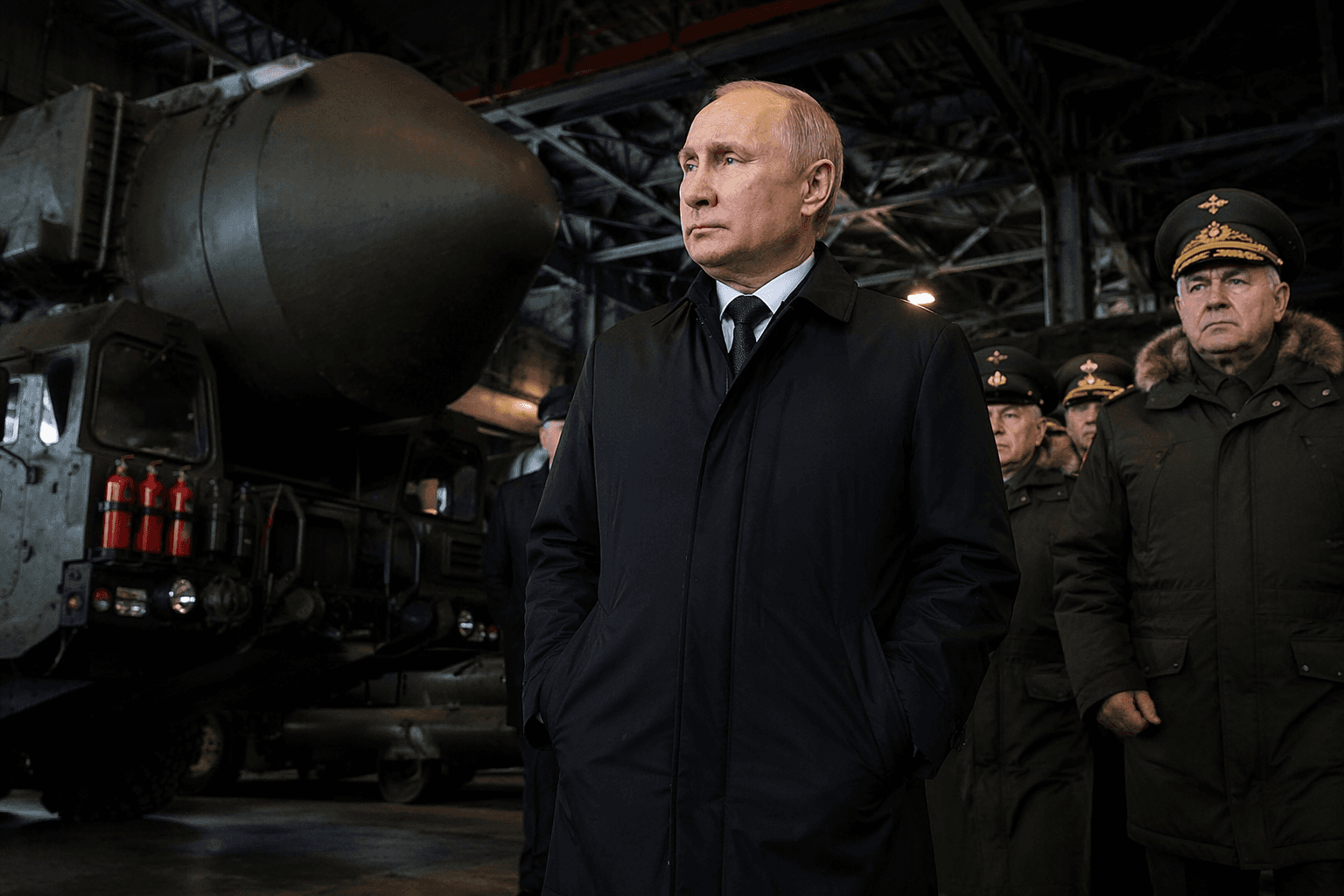
Image as power
Vladimir Putin has never governed as a plain politician. He has governed as a sequence of carefully managed identities, each one timed to a political need: the disciplined KGB veteran, the ascetic statesman, the tough nationalist, the shirtless strongman, and now the wartime ruler. The point was not just to describe him differently. The point was to shape how Russia saw authority itself.
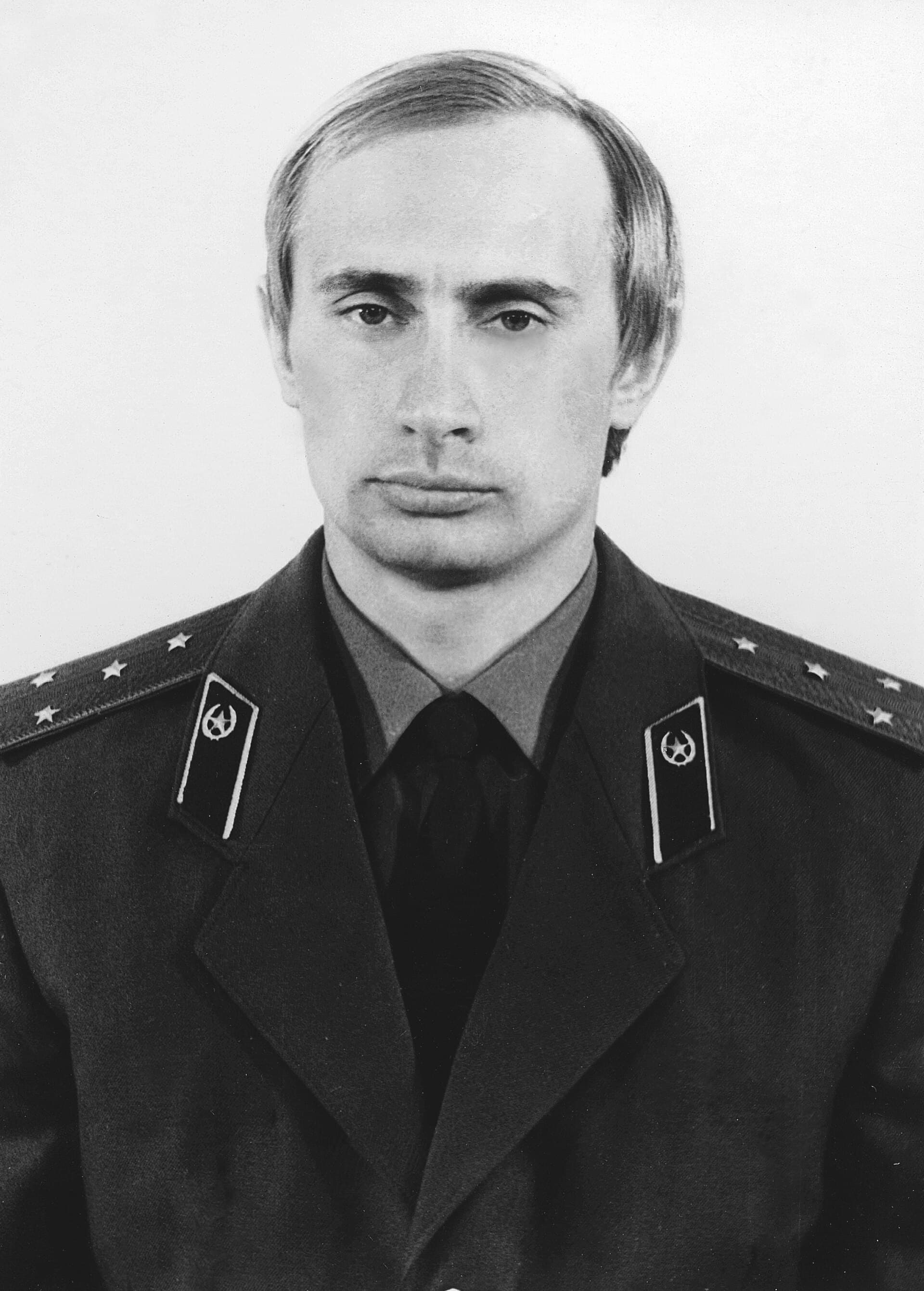
That image-making began long before he reached the Kremlin. Putin joined the KGB in 1975 and later served in Dresden, East Germany, in the 1980s. Reuters reporting on Stasi files described him as a junior member of a small Dresden team of about 10 to 15 KGB agents. His years there remain partly opaque, in part because many KGB documents were destroyed before East Germany collapsed. That mystery matters: from the start, the man who would become Russia’s most dominant leader was wrapped in the aura of secrecy, discipline and state service.
From intelligence officer to presidential successor
Putin’s public reinvention accelerated when Boris Yeltsin resigned unexpectedly on December 31, 1999, and named him acting president. That handoff was more than a constitutional transition. It was a transfer of image, from a weakened post-Soviet system under Yeltsin to a younger figure who could promise order, continuity and restored authority. Putin was then elected president on March 26, 2000, turning an interim appointment into a national mandate.
The Kremlin understood early that his power would depend on visual control as much as policy. In a 2001 interview, an aide removed water glasses from the table just before the cameras went live, a small but telling example of how closely Putin’s on-camera presence was managed. Every detail reinforced a larger message: the leader would be seen only in the frame he chose. In a system where institutions were fragile and competing power centers still mattered, the image of order became part of the governing method.
The strongman performance
As Putin’s rule matured, the persona shifted again. The KGB officer who had once stood in the shadows was recast as a physical, self-possessed male authority figure. One of the most famous examples was the 2009 horseback-riding photo-op in which he appeared shirtless, an image built to project vigor, control and untamed masculinity. It was not accidental satire bait, but a deliberate political language, one that linked personal toughness to national strength.
That visual strategy reached beyond vanity. In Russia’s political culture, where strength often stands in for legitimacy, such images helped cast Putin as a ruler above ordinary political bargaining. The body became symbolic territory. A president who could hunt, ride, fly, dive or train could also be framed as a man capable of defending the state. By the time Western leaders mocked the shirtless image at the 2022 G7 summit, the photo had already served its purpose at home: it had helped normalize the idea that Russia was led by a man of exceptional force.
War as identity
The full-scale invasion of Ukraine, which began on February 24, 2022, marked another reinvention. In his February 24, 2022 speech, Putin framed the war as a mission to “demilitarize and denazify Ukraine.” The Kremlin also pushed the conflict as a struggle against alleged Ukrainian “Nazis,” turning invasion into a moral crusade in official language. This was not just rhetoric for external consumption. It was an attempt to turn war into a domestic source of legitimacy, casting aggression as defense.
Analysts at RAND and other commentators have said Russian propagandists used extremist themes and anti-Ukrainian animus to mobilize audiences and reinforce state control. The machinery of persuasion did more than justify battlefield choices. It worked to narrow acceptable opinion, elevate patriotic obedience and recode criticism as disloyalty. In that sense, the wartime image of Putin was an extension of the same political habit seen in earlier phases of his career: control the frame, control the meaning.
Memory politics and the struggle over history
The wartime persona also depends on memory. Putin’s image strategy has been tied to broader efforts to reshape public memory, including school history, so that present-day war can be folded into a larger story of Russian grievance, endurance and destiny. Soviet nostalgia and rewritten history have become useful tools because they make the present feel inevitable. If the past is presented as a chain of humiliation and betrayal, then war can be sold as restoration.
This is where image-making becomes more than public relations. It becomes statecraft. The Kremlin’s handling of history, from school curricula to official narratives, helps define who belongs, who threatens the nation and what the country is supposedly fighting for. In that environment, Putin is not simply a person at the center of the story. He is the image through which the state tells itself who it is.
Why the reinventions matter
Putin’s successive personas were never random. The KGB veteran lent credibility to a leader who claimed discipline and secrecy. The managed presidential image signaled that the post-Yeltsin era would be controlled and predictable. The macho nationalist projected strength to domestic audiences and to rivals abroad. The wartime ruler now fuses those earlier identities into one message: Russia is under siege, and only a forceful state can preserve it.
That is why Putin’s public persona matters as a political instrument. It is part of how power is built, defended and normalized in Russia. The image is not decoration around the regime. It is one of the regime’s central tools.
This article was produced by Prism’s automated news system from verified source data, official records, and press releases, then run through automated quality and moderation checks before publishing. The system is built and supervised by the people who set the standards it runs under. Read our full AI policy.
Know something we missed? Have a correction or additional information?
Submit a Tip