Trump pushes Iran deal, seeks ceasefire, uranium limits and Hormuz reopening
Trump tightened Iran terms to force a quick choice: accept a 60-day ceasefire, shed enriched uranium and reopen Hormuz, or watch talks stall.
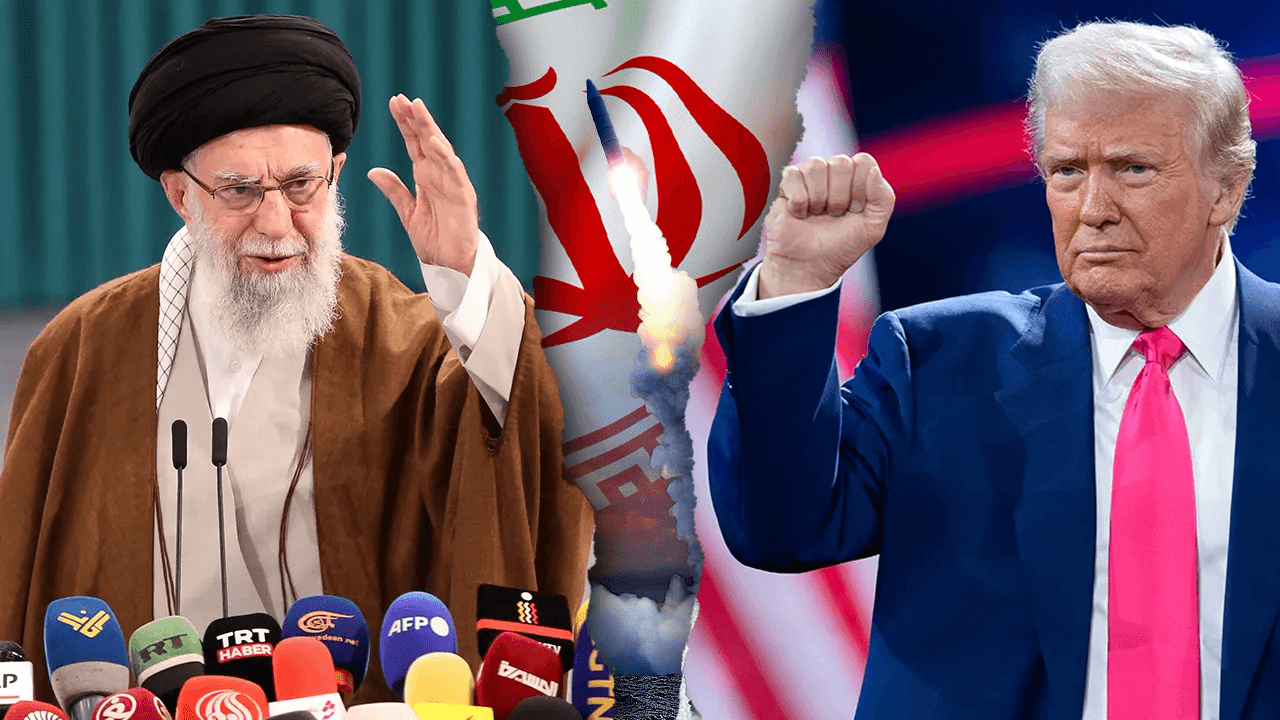
Trump hardened the emerging Iran framework in a bid to force Tehran to accept it quickly, turning the draft into a deadline test as negotiators weighed whether the latest terms were a real breakthrough or a pressure tactic. One official said the changes were meant to speed up the process by putting pressure on Iran to accept the current framework, and as of May 28 Trump had not given final approval while Iran had not confirmed acceptance.
The draft now centers on a 60-day memorandum of understanding that would extend the ceasefire and launch talks over Iran’s nuclear program. Under the reported terms, Iran would have to end military operations on every front, including Lebanon, declare that it would not develop nuclear weapons and dispose of its enriched uranium stockpile. In return, the United States would lift its blockade on Iranian ports and ships, while Iran would reopen the Strait of Hormuz and work to restore traffic to prewar conditions within 30 days.
That strait is the core economic pressure point. The waterway handles a crucial share of global oil shipments, and the war has already disrupted shipping and energy markets, adding another layer of risk for fuel prices and supply chains. Trump has said he is in “no rush” and wants only a “great” agreement, but he also tied the deal to his broader regional agenda, including a push for Saudi Arabia, Qatar, Pakistan, Turkey, Egypt and Jordan to join the Abraham Accords as part of any settlement with Iran.
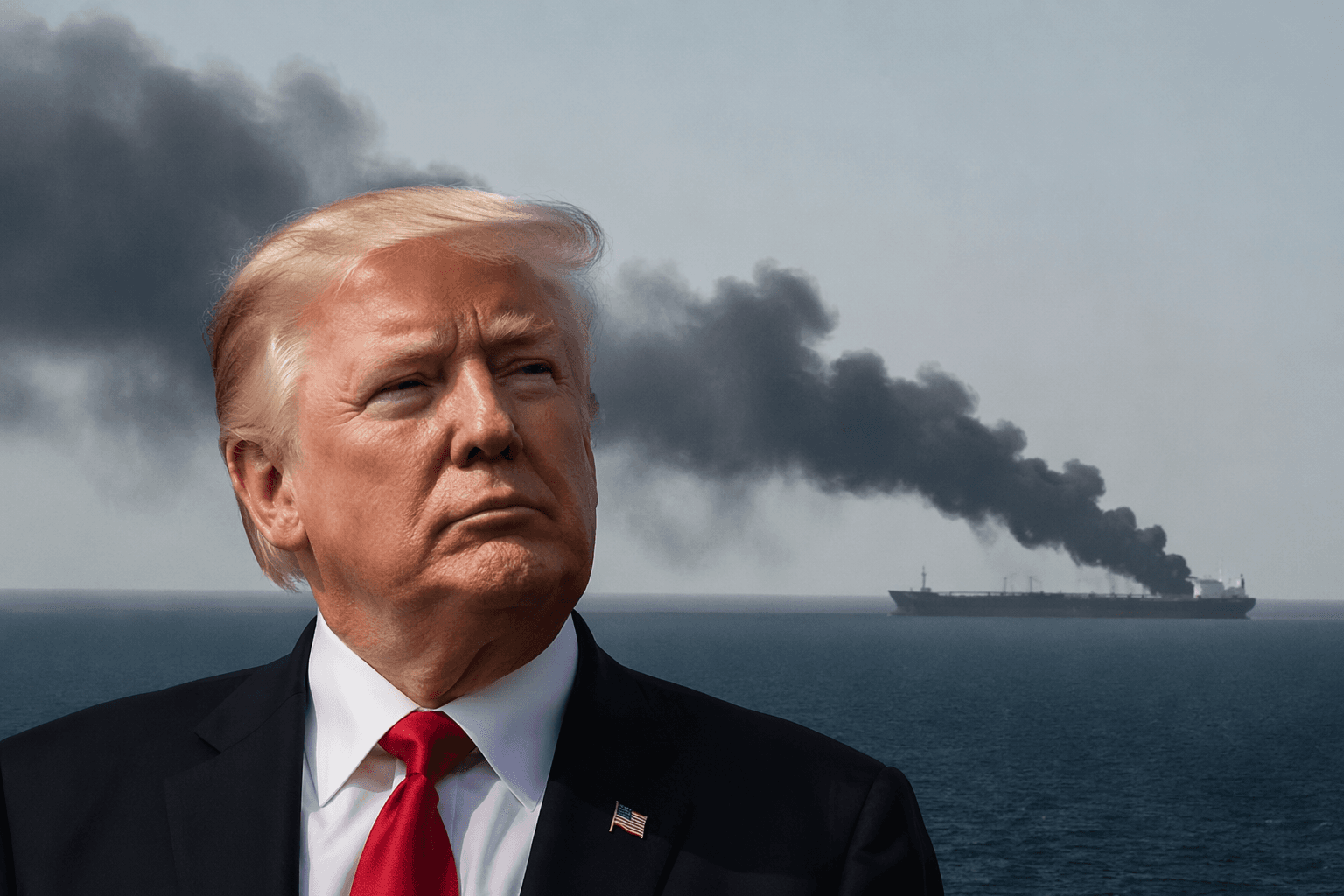
Trump has also drawn a red line on the uranium issue. He said Iran would not get sanctions relief simply for giving up highly enriched uranium, and he said he would not be comfortable with Iran sending its stockpile to Russia or China. On May 28, he told Middle Eastern leaders in a call from the Oval Office that “An Agreement has been largely negotiated,” a sign that the White House was trying to present momentum even as the final shape remained unsettled.
The toughest objections have come from inside Trump’s own party. Senators Lindsey Graham, Roger Wicker and Ted Cruz warned that a 60-day ceasefire or similar compromise would be a disaster or a dangerous mistake, arguing it could leave Iran with leverage over the strait and weaken pressure on Tehran. Iranian sources said Supreme Leader Ali Khamenei ordered that the country’s near-weapons-grade uranium not be sent abroad, a warning sign for the most sensitive part of the talks. The stockpile at stake is about 440 kilograms, or 970 pounds, of uranium enriched to 60 percent, a level that has become central to the bargaining. Opponents of the emerging deal have also invoked the 2015 Iran nuclear agreement Trump later abandoned, underscoring how much the talks may turn on whether this is a substantive reset or a deadline-driven bluff.
This article was produced by Prism’s automated news system from verified source data, official records, and press releases, then run through automated quality and moderation checks before publishing. The system is built and supervised by the people who set the standards it runs under. Read our full AI policy.
Know something we missed? Have a correction or additional information?
Submit a Tip