Thousands block Austria's Brenner motorway over truck and tourist traffic
Thousands of residents shut the Brenner corridor, freezing a key Alpine link as truck and tourist traffic collided with daily life in Tyrol.
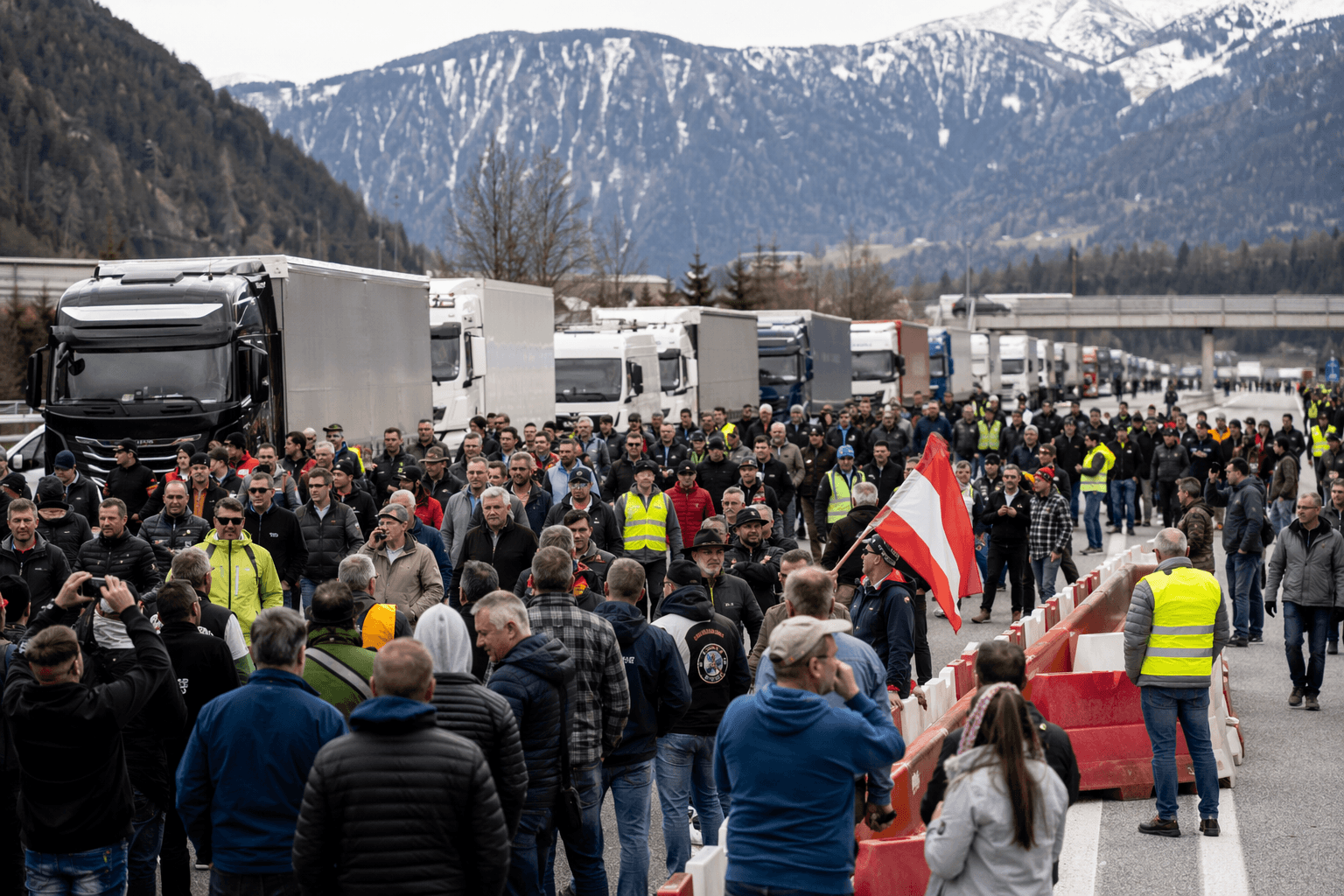
Thousands of residents blocked Austria’s Brenner motorway on Saturday, shutting one of the most important north-south routes through the Alps and bringing the A13 Brenner motorway and the parallel B182 Brennerstraße to a halt for eight hours.
The protest, authorised in advance by Tyrolean authorities, ran from 11:00 a.m. to 7:00 p.m. local time on May 30, 2026, and took place in Matrei am Brenner. It was led by Karl Muehlsteiger, the mayor of Gries am Brenner, a sign that the action had local political backing as well as street-level support.
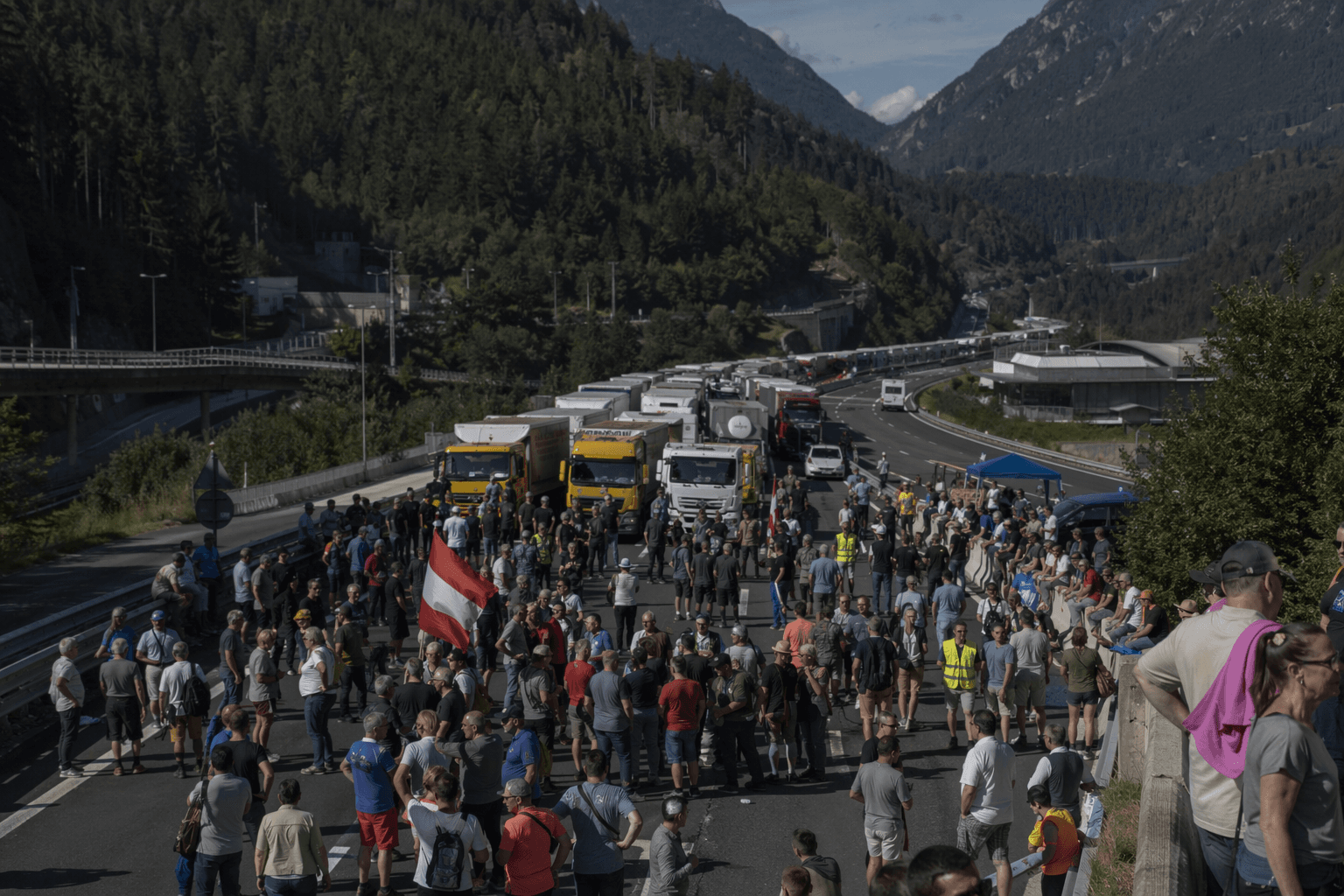
At the heart of the anger was a familiar complaint in Alpine transit towns: the constant pressure from trucks and tourists. Residents said heavy freight and holiday traffic clog their roads, bring noise and make daily life harder in communities that were never built to function as continental transport hubs. The closure made that grievance visible to drivers, shippers and commuters who depend on the corridor.
The Brenner route is far more than a local road. It is a key passage between Germany and Italy, threading through the narrow Wipp Valley and carrying one of Europe’s most important flows of trade and travel. The corridor is part of the Trans-European Transport Network and the Scandinavia-Mediterranean corridor, which helps explain why any disruption quickly becomes a cross-border issue for logistics firms and policy makers.
The scale of the traffic underscores the stakes. ASFINAG, Austria’s motorway operator, is responsible for almost 2,250 kilometres of motorways and expressways. Pre-protest reporting cited nearly 11 million cars and about 2.5 million trucks on the Brenner corridor in 2025, with freight traffic about 40 percent higher than in 2010. Some reporting said total traffic has nearly quintupled since the motorway was commissioned in the 1960s.
The system was already under strain before the blockade. ASFINAG says the Lueg Bridge on the A13 reached the end of its service life after more than 55 years, which is why one-lane traffic has been in place in both directions since January 1, 2025. That restriction has reduced capacity on a route that was already vulnerable to disruption.
Construction on the Brenner motorway began in 1959, and the Austria-Italy road connection opened in 1971. More than five decades later, the corridor remains a pillar of European integration, but Saturday’s blockade showed how quickly a single Alpine motorway can become a flashpoint when the demands of transit collide with the limits of mountain life.
This article was produced by Prism’s automated news system from verified source data, official records, and press releases, then run through automated quality and moderation checks before publishing. The system is built and supervised by the people who set the standards it runs under. Read our full AI policy.
Know something we missed? Have a correction or additional information?
Submit a Tip