New fungus could help Britain fight invasive heath-star moss
A newly named fungus may weaken heath-star moss, but scientists still had to prove it can target the invader without harming Britain’s 1,000-plus native mosses.
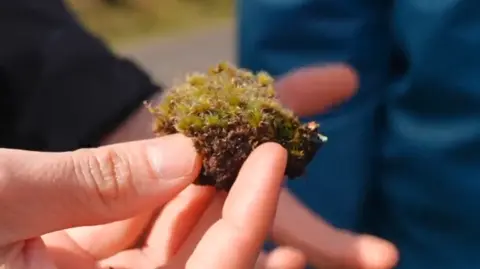
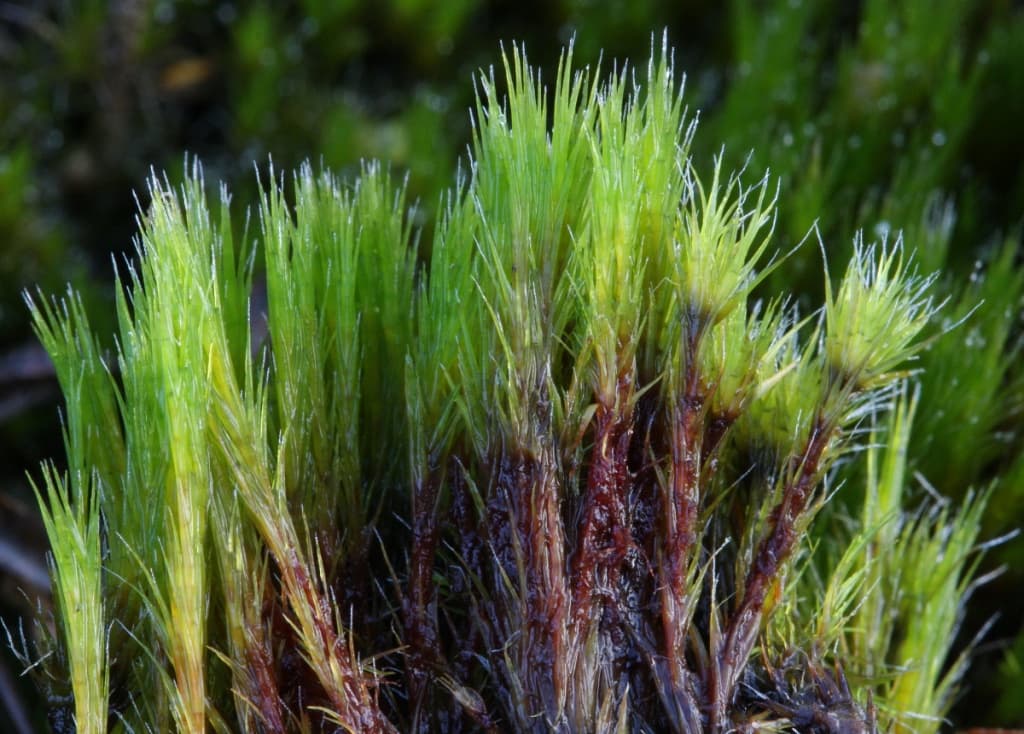
A newly discovered fungus has raised the possibility that Britain could push back against one of its most persistent moss invaders. The organism, Bryoscyphus granulosus, was formally described in December 2025 and was linked to die-back in heath-star moss, Campylopus introflexus, a non-native species that has spread from the British Isles to Britain and Ireland from Shetland to the Scillies.
The moss first turned up in the British Isles in 1941 and by 1990 had spread widely across Britain. It now forms dense mats on hillsides, sand dunes and even garden fences, where it crowds out other species. The new fungus was found in multiple western European collections on Campylopus mosses and was observed in England between 2022 and 2025. In populations of C. introflexus, it was associated with distinctive necrotic fairy rings, a visible sign that the host tissue was dying back.
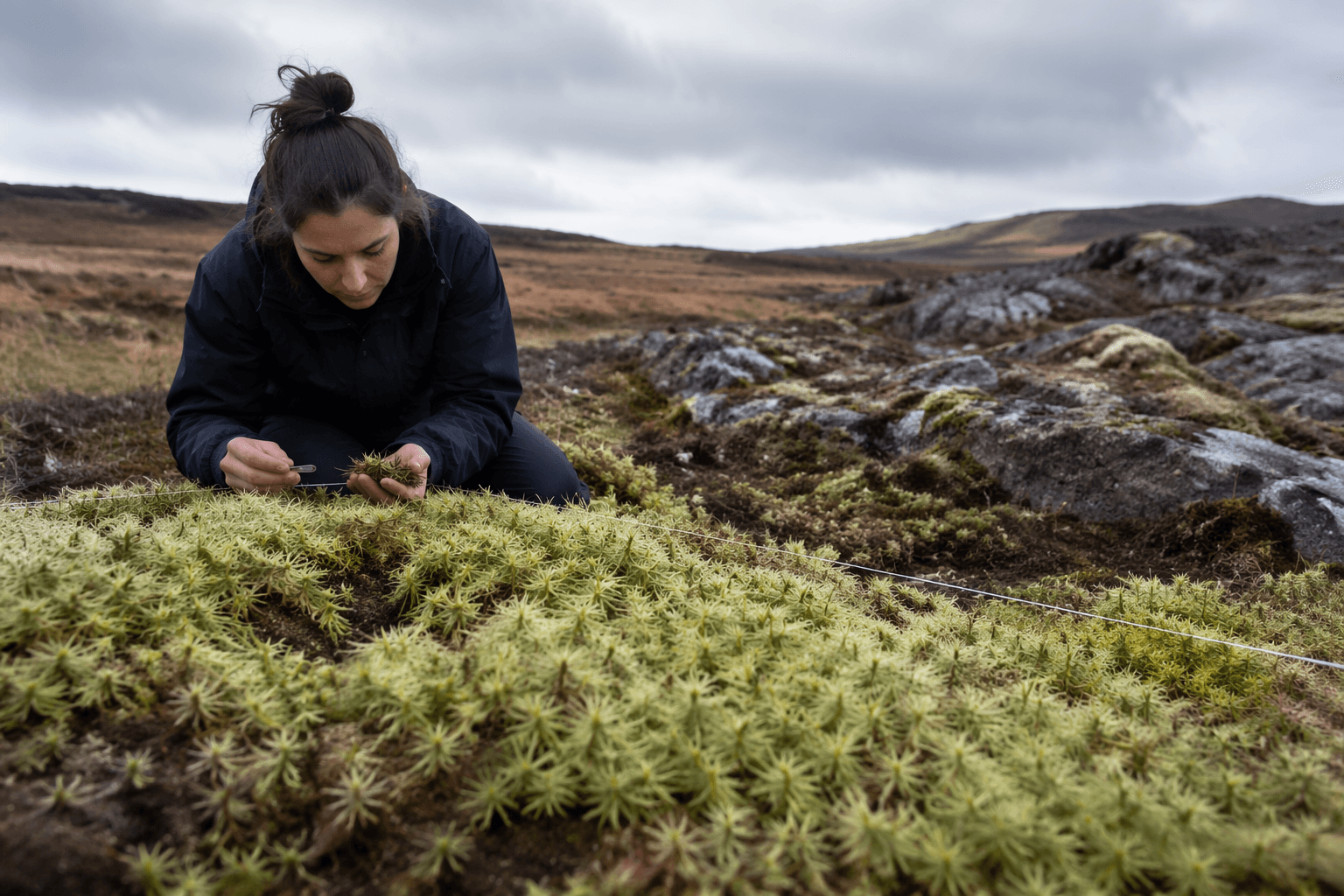
That matters because the central question is not whether the fungus can damage the moss, but whether it can do so safely and at scale. Bryoscyphus granulosus produces both sexual and asexual forms, including apothecia and sporodochia, and the authors of the description said its ecological significance as a possible natural biological control agent for C. introflexus should be investigated further. In practice, that means checking whether the fungus stays tightly linked to the invasive moss, whether it can be developed into a reliable control, and whether it would leave Britain’s native bryophytes untouched.
The stakes are high. Britain has more than 1,000 moss species, and mosses help sustain habitats including temperate rainforests and peatlands. Around 2,000 non-native plants and animals have been brought into Britain through human activity, and invasive species remain a major ecological concern. The UK non-native species information portal says C. introflexus rapidly colonizes disturbed or burnt peat and dominates early succession, even if its long-term damage may be limited in some situations.
Dr George Greiff discovered the moss die-back fungus while walking on the Isle of Wight four years ago, a reminder that some of the most consequential ecological clues begin with a field observation rather than a laboratory screen. The challenge now is whether that clue can become a real intervention. Until scientists test the fungus against the risk of unintended spread, Bryoscyphus granulosus remains a promising lead, not a finished remedy.
This article was produced by Prism’s automated news system from verified source data, official records, and press releases, then run through automated quality and moderation checks before publishing. The system is built and supervised by the people who set the standards it runs under. Read our full AI policy.
Know something we missed? Have a correction or additional information?
Submit a Tip