U.S. military disables commercial ship heading for Iran amid talks
U.S. forces disabled a Gambia-flagged ship in the Gulf of Oman as Washington weighed a ceasefire-extension deal with Tehran. The strike deepened a maritime blockade already affecting 116 vessels.
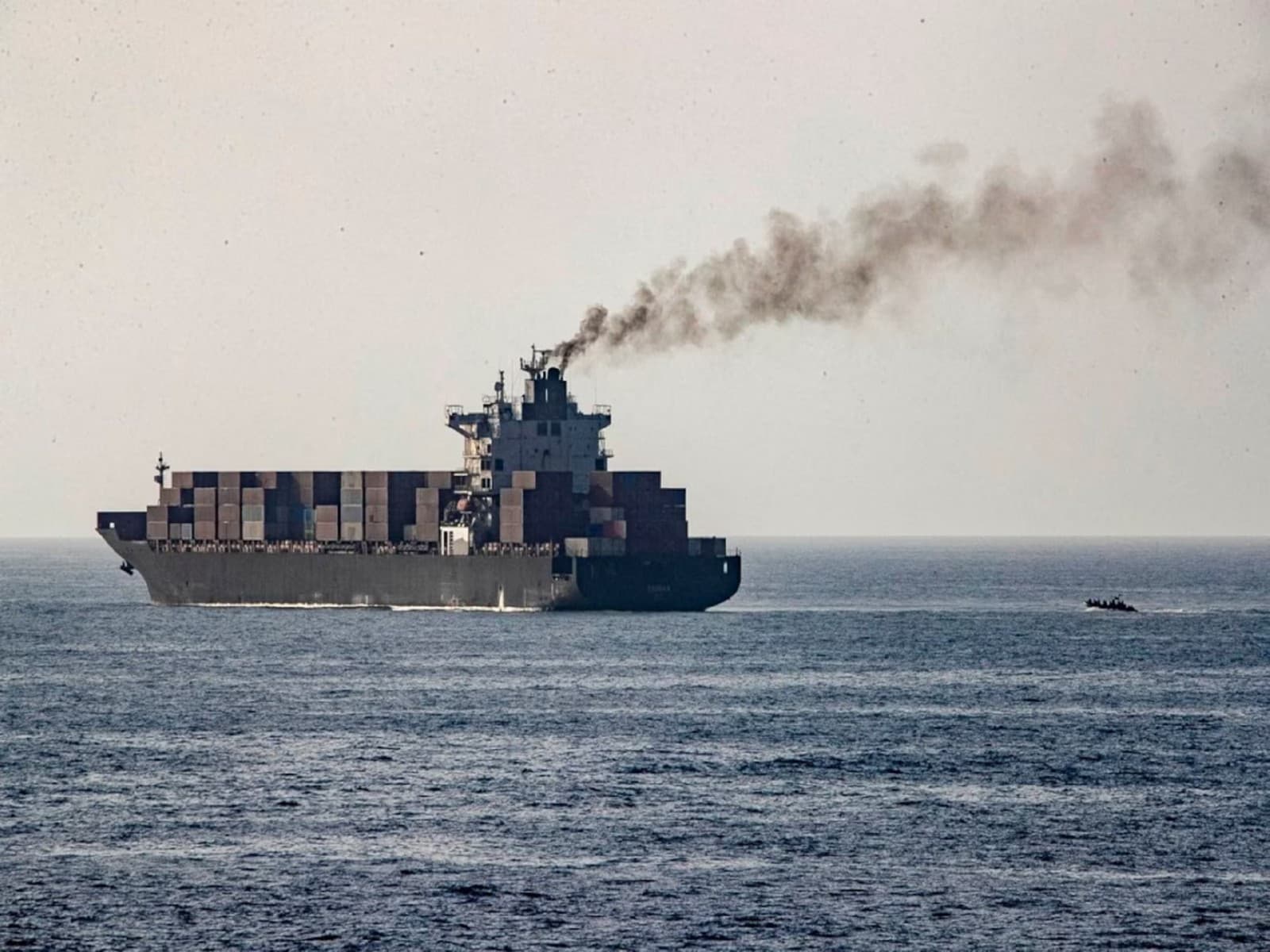
The question is whether the sea interdictions are meant to sharpen leverage at the negotiating table or risk blowing up the talks altogether. U.S. forces disabled a Gambia-flagged commercial vessel, the M/V Lian Star, after it steamed toward an Iranian port in the Gulf of Oman and ignored more than 20 warnings, according to U.S. Central Command.
CENTCOM said the ship was in international waters on May 29, 2026, when a U.S. aircraft fired a Hellfire missile into its engine room. The vessel was left adrift, and U.S. forces did not board it. The move marked the latest and most visible test of a maritime blockade that Washington says has been aimed at ships entering or leaving Iranian ports while ceasefire and peace talks with Tehran remain unsettled.
The latest interdiction brought the total to five commercial vessels disabled under the blockade and 116 redirected, CENTCOM said. Earlier actions included the Iranian-flagged M/T Hasna on May 6 and the M/T Sea Star III and M/T Sevda on May 8. U.S. Defense Department officials said 34 ships had turned around without incident, while other U.S. officials said the blockade had widened beyond the Strait of Hormuz to include some Iranian-linked ships that had already left port before the blockade began.
The campaign began in mid-April after Iran effectively closed the Strait of Hormuz amid the war, U.S. officials said. That chokepoint, which carries a large share of the world’s energy shipments, has become the center of a fast-moving security and diplomatic crisis. At the same time the military pressure was escalating, U.S. and Iranian negotiators were discussing or nearing a tentative ceasefire-extension framework and new nuclear talks, but President Donald Trump had not signed off as of May 28 and 29, according to multiple reports.
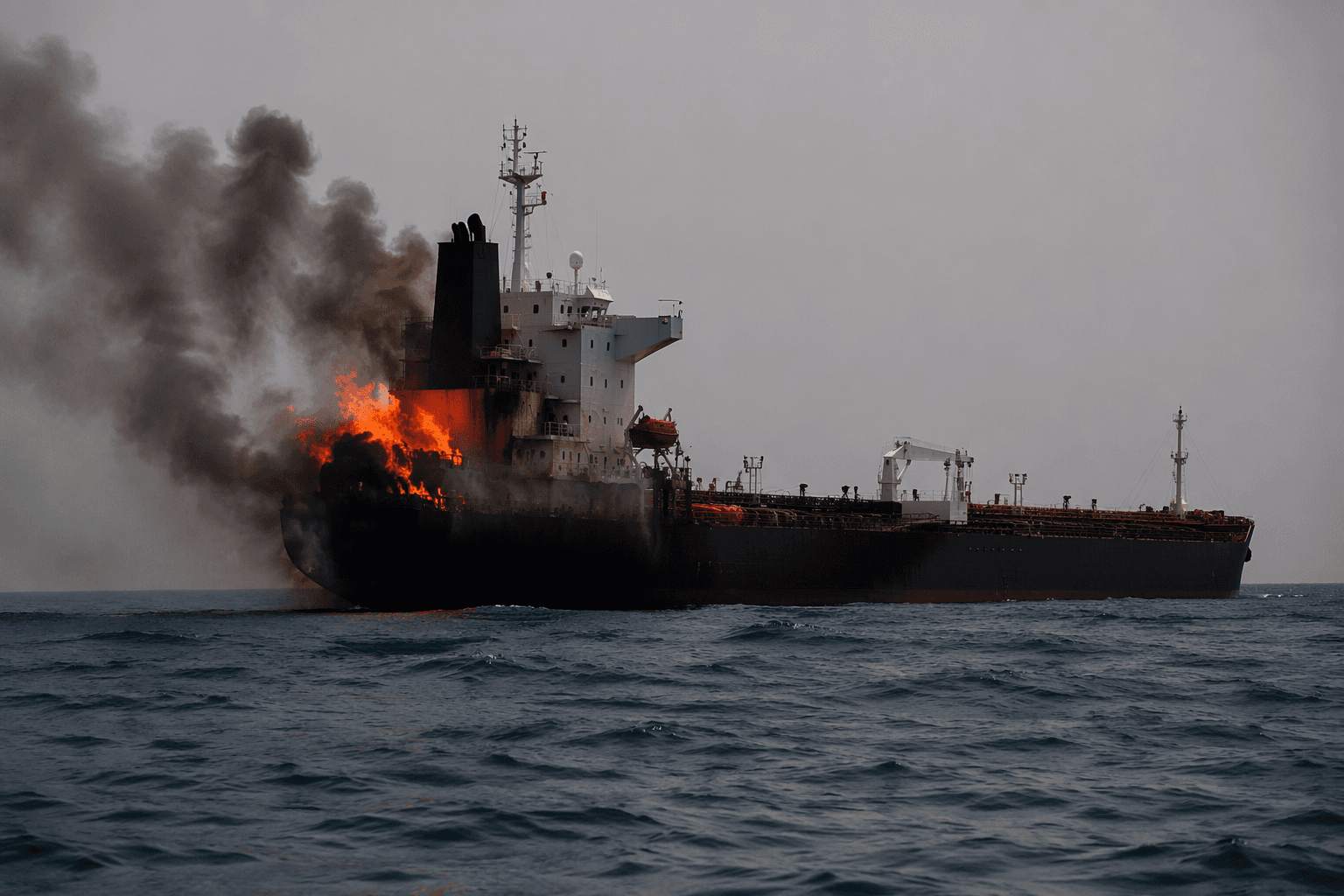
Trump publicly said the Strait of Hormuz should reopen and rejected reported Omani-Iranian ideas that would have involved tolls or joint management of the waterway. Defense Secretary Pete Hegseth said the president had authorized U.S. Central Command to use lethal force against vessels in the Gulf of Oman that threatened U.S. or commercial shipping. Adm. Brad Cooper, Dan Caine, Marco Rubio and JD Vance have all been part of the wider policy debate as Washington tries to combine pressure with diplomacy.
For now, the blockade is doing both things at once: forcing ships to turn back, and putting a negotiation track under heavier strain. With the Gulf of Oman already under military enforcement and the Strait of Hormuz still a flash point, each new interdiction carries the risk of turning a limited pressure campaign into a broader confrontation at sea.
This article was produced by Prism’s automated news system from verified source data, official records, and press releases, then run through automated quality and moderation checks before publishing. The system is built and supervised by the people who set the standards it runs under. Read our full AI policy.
Know something we missed? Have a correction or additional information?
Submit a Tip