Cuba nearly doubles fuel prices as stations stay shut
Cuba nearly doubled fuel prices on paper, but many Havana stations stayed closed, leaving drivers facing higher costs and no pump to buy from.

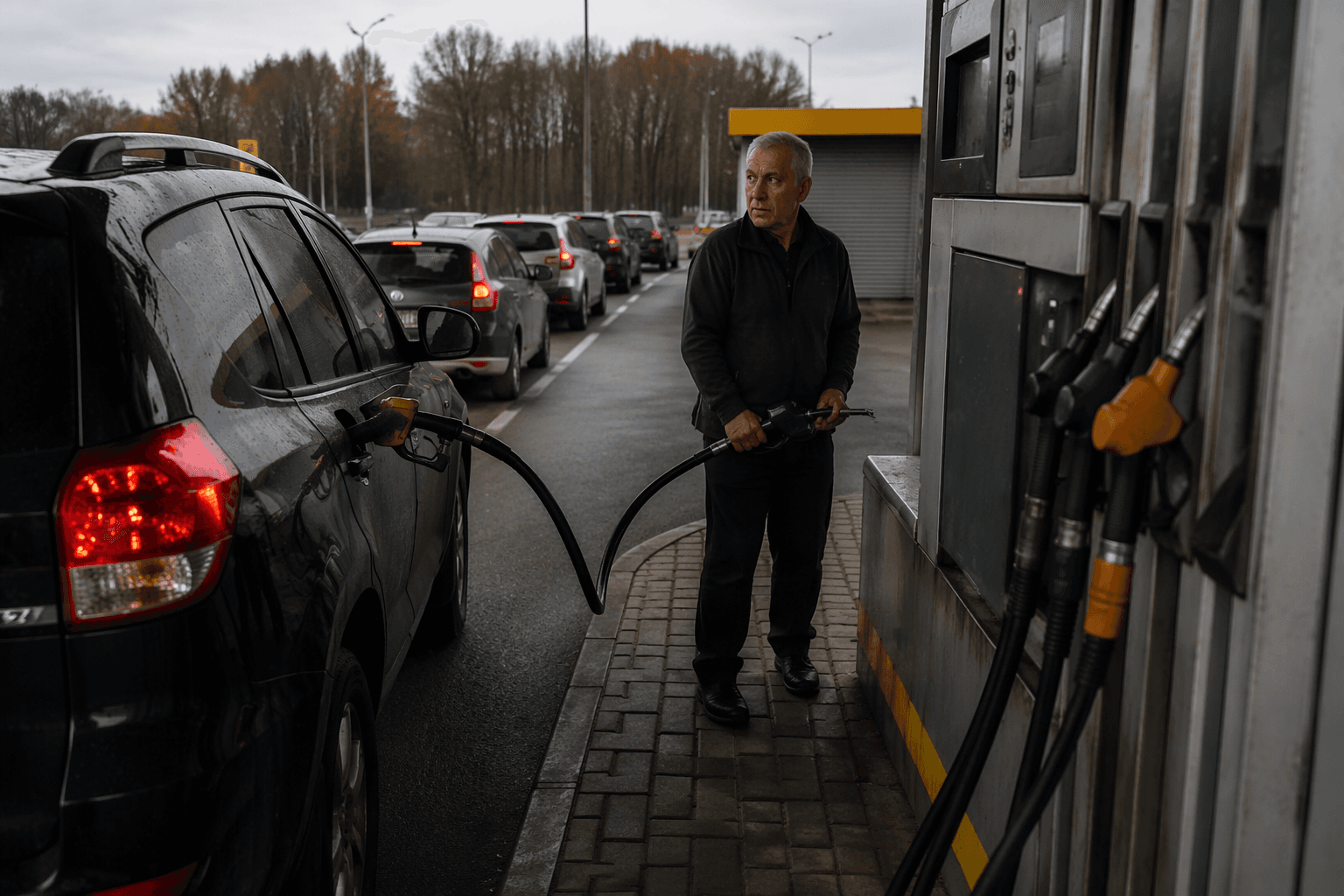
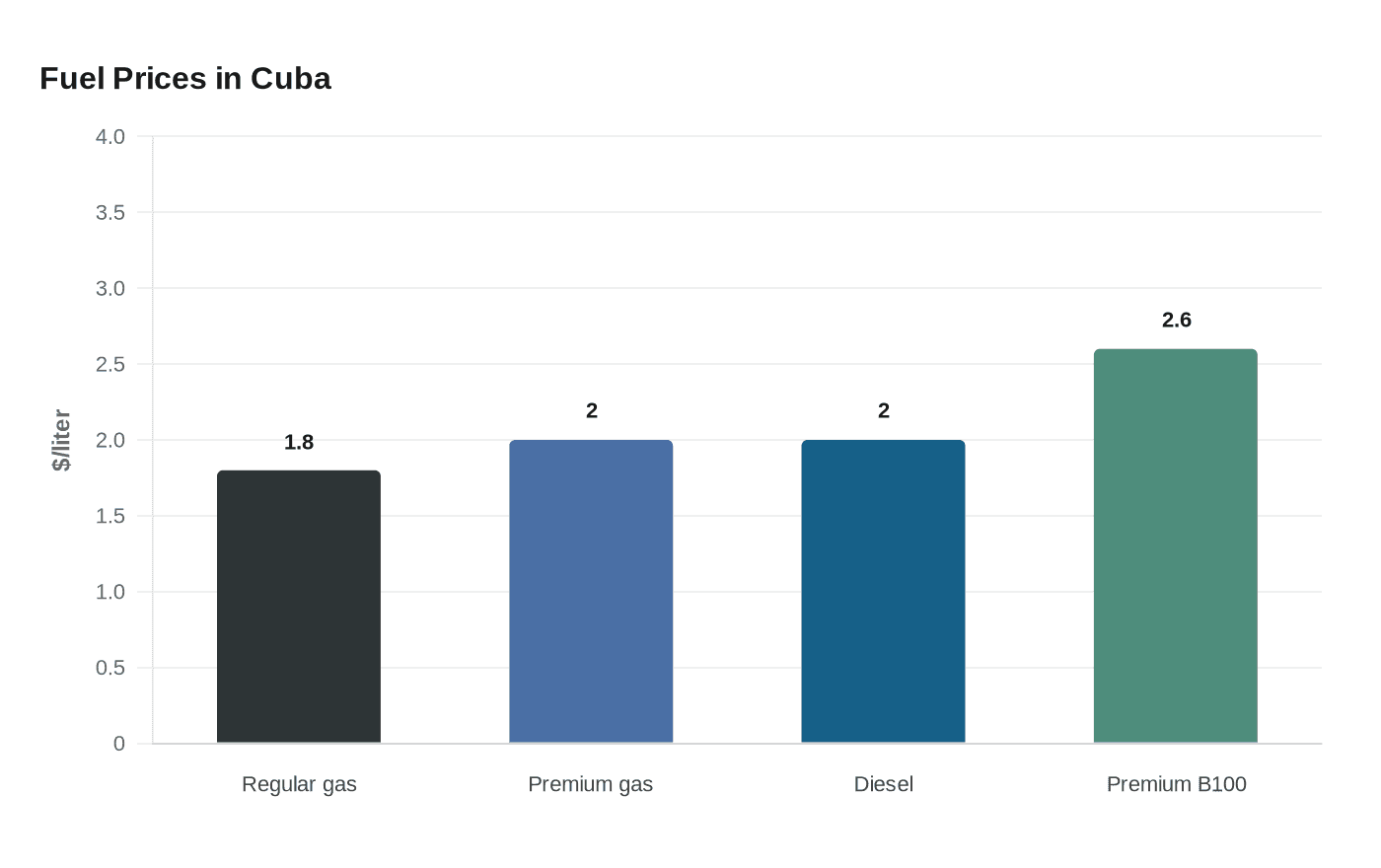
Cuba raised gasoline and diesel prices sharply on Friday, but the new price tags met a familiar reality in Havana: many public stations were still shut. Premium gasoline signs in the capital showed $2.00 per liter, regular gasoline rose to $1.80, and diesel also reached $2.00, a steep jump in a market where fuel has been scarce for months.
The government said the change was meant to better reflect the real cost of importing fuel and to move toward variable pricing at the pump. Cuban state media said foreign-currency fuel prices would rise or fall based on the actual cost of each transaction. But with pumps closed across much of Havana, the reform landed first as a signal of crisis rather than relief for drivers waiting in line.

Roberto Veguet, a Havana taxi driver, summed up the uncertainty: "Right now, we know nothing." His frustration captured the gulf between official pricing and daily availability. The Ministry of Finance and Prices had said the new rates would take effect at 12:00 a.m. on May 15, 2026, while CIMEX, S.A. rolled out retail prices ranging from $1.80 to $2.60 per liter, with premium B100 set at $2.60 per liter. Special Circular 03/2026 was signed by CIMEX president Héctor Oroza Busutil.
The increase was the latest step in a broader dollarization of Cuba’s fuel market. Nearly 30 gas stations began selling fuel exclusively in dollars in January 2024, and in February 2026 CIMEX suspended sales in Cuban pesos and capped gasoline purchases in dollars at 20 liters per person through a digital appointment platform. By mid-May, that system had done little to prevent scarcity. Reuters reported that many public stations in Havana remained largely closed, and the island’s energy minister said two days earlier that Cuba had completely run out of diesel and fuel oil.
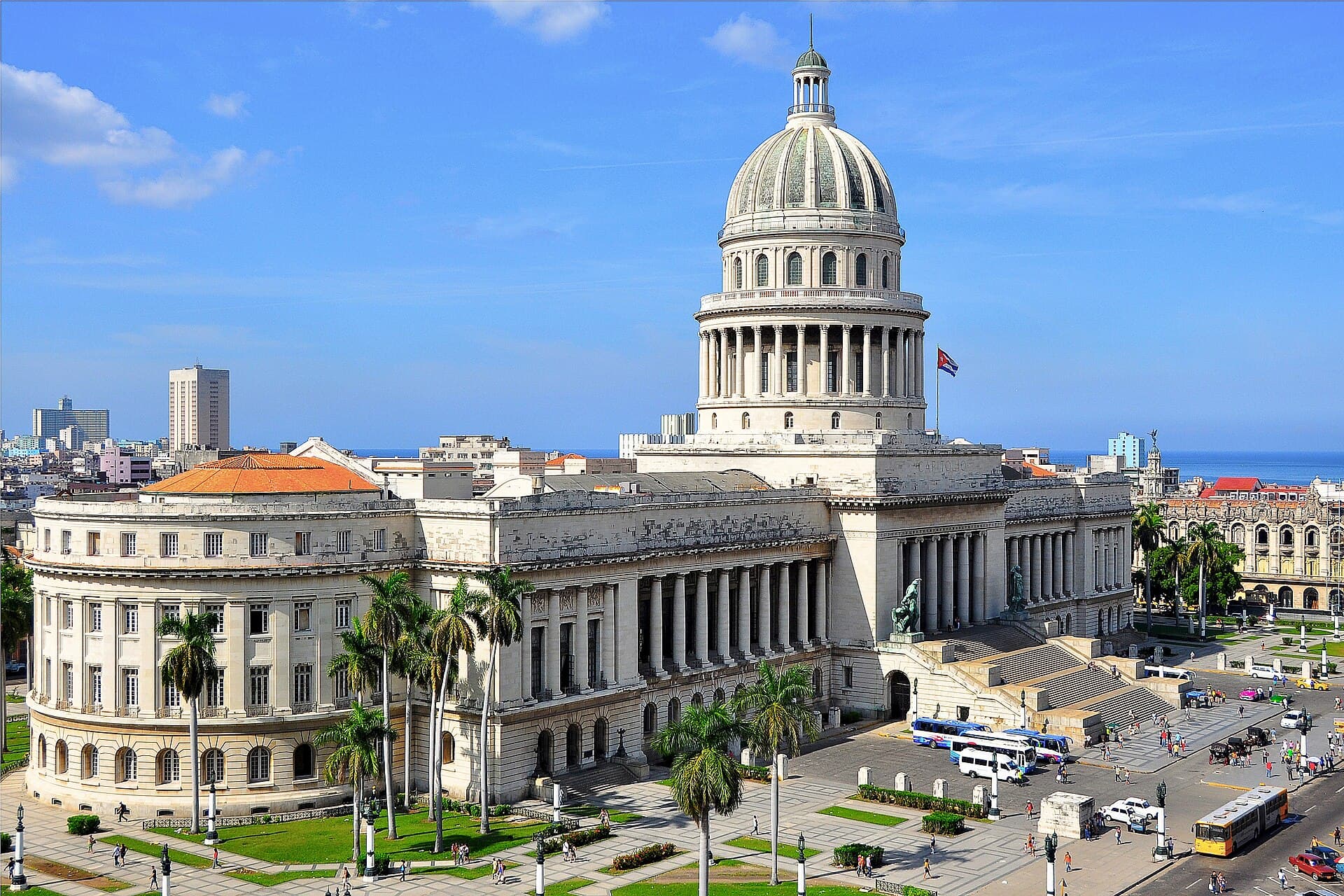
The shortages are rippling far beyond private cars. Taxis, deliveries and public transport all depend on fuel that is either unavailable or unaffordable, worsening delays in a country already hit by blackouts, inflation and repeated supply shocks. Cuban reporting said more than 1,700 international flights had been canceled since February 2026 because of the supply crisis, underscoring how deeply the energy collapse has strained tourism, logistics and state credibility. For many Cubans, the higher price is only part of the story; the larger failure is a system that keeps rewriting the rules while the pumps stay dry.
This article was produced by Prism’s automated news system from verified source data, official records, and press releases, then run through automated quality and moderation checks before publishing. The system is built and supervised by the people who set the standards it runs under. Read our full AI policy.
Did this article answer your question?