Rubio softens China stance, shifts from hawk to diplomat
Marco Rubio once pushed China sanctions and even hinted at regime change. Now, as Trump’s top diplomat, he is talking up cooperation while warning on Taiwan.
Marco Rubio built his China reputation as one of Washington’s hardest hawks, pressing sanctions, legislation and public criticism over human rights, technology theft, fentanyl, Taiwan and Chinese entities accused of helping Iran evade sanctions. Today, as secretary of state, Rubio is using far softer language, a shift that has become a test case for how Trump-era alignment is reshaping once-combative foreign-policy brands.
China sanctioned Rubio in 2020, a sign of how sharply he had already clashed with Beijing as a senator. He had even hinted at the need for regime change in China, a posture that made his later turn toward diplomatic language stand out all the more once he joined the Trump administration in 2025.
In January 2025, Rubio said the Trump administration would pursue a U.S.-PRC relationship that advances U.S. interests and puts the American people first. He also kept the hard edge that defined his Senate years, stressing U.S. concern over China’s coercive actions against Taiwan and in the South China Sea. That combination, engagement on one hand and pressure on the other, has defined the Trump administration’s approach as it tries to reconcile direct talks with Beijing and a deal-driven White House.
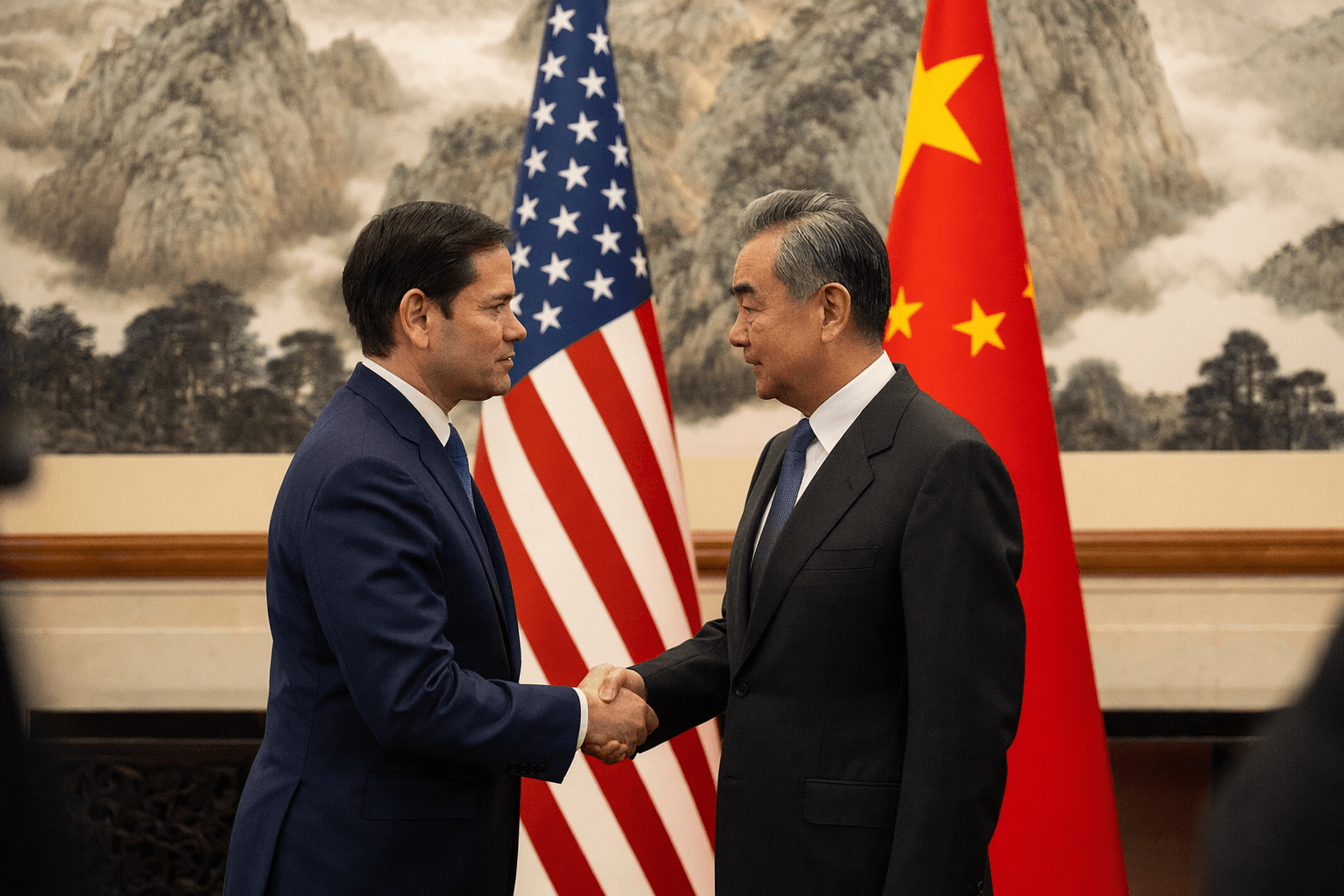
The new tone was on display on July 11, 2025, after Rubio met Chinese Foreign Minister Wang Yi in Kuala Lumpur, Malaysia. The U.S. Department of State said the two sides agreed to explore “areas of potential cooperation,” and described the discussion as constructive and pragmatic. Rubio also emphasized the importance of keeping channels of communication open, even as the State Department continued to frame China as a major strategic challenge.
By December 2025, Rubio was making the political logic explicit. He said he had been “nice to China” and that his job now was to represent the president of the United States and the United States in foreign diplomacy, not the Senate. The line underscored a broader shift in Washington: Rubio’s China posture no longer reflected just his own hawkish record, but also the Trump administration’s preference for high-level engagement with Xi Jinping’s government alongside continued pressure over Taiwan and regional security.
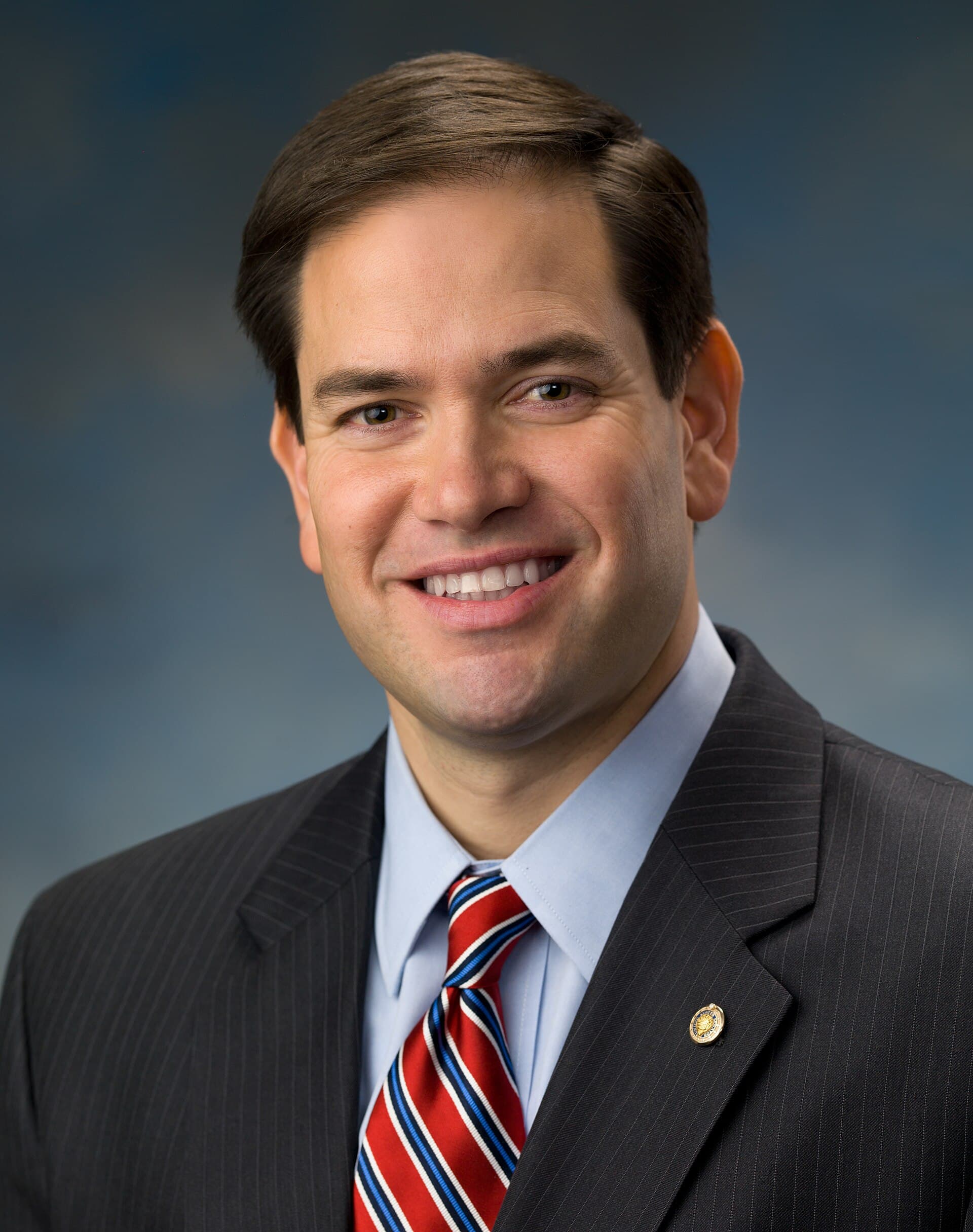
Whether that amounts to genuine strategic recalibration, bureaucratic pragmatism or simple political adaptation, Rubio’s evolution shows how quickly a hard-line foreign-policy brand can be recast once it is folded into Trump’s diplomatic machinery.
This article was produced by Prism’s automated news system from verified source data, official records, and press releases, then run through automated quality and moderation checks before publishing. The system is built and supervised by the people who set the standards it runs under. Read our full AI policy.
Did this article answer your question?


