Trump meets Xi in Beijing as Iran war clouds U.S.-China talks
Trump’s Beijing summit with Xi Jinping was delayed by the Iran war, turning a trade reset into a test of whether personal diplomacy still has leverage.
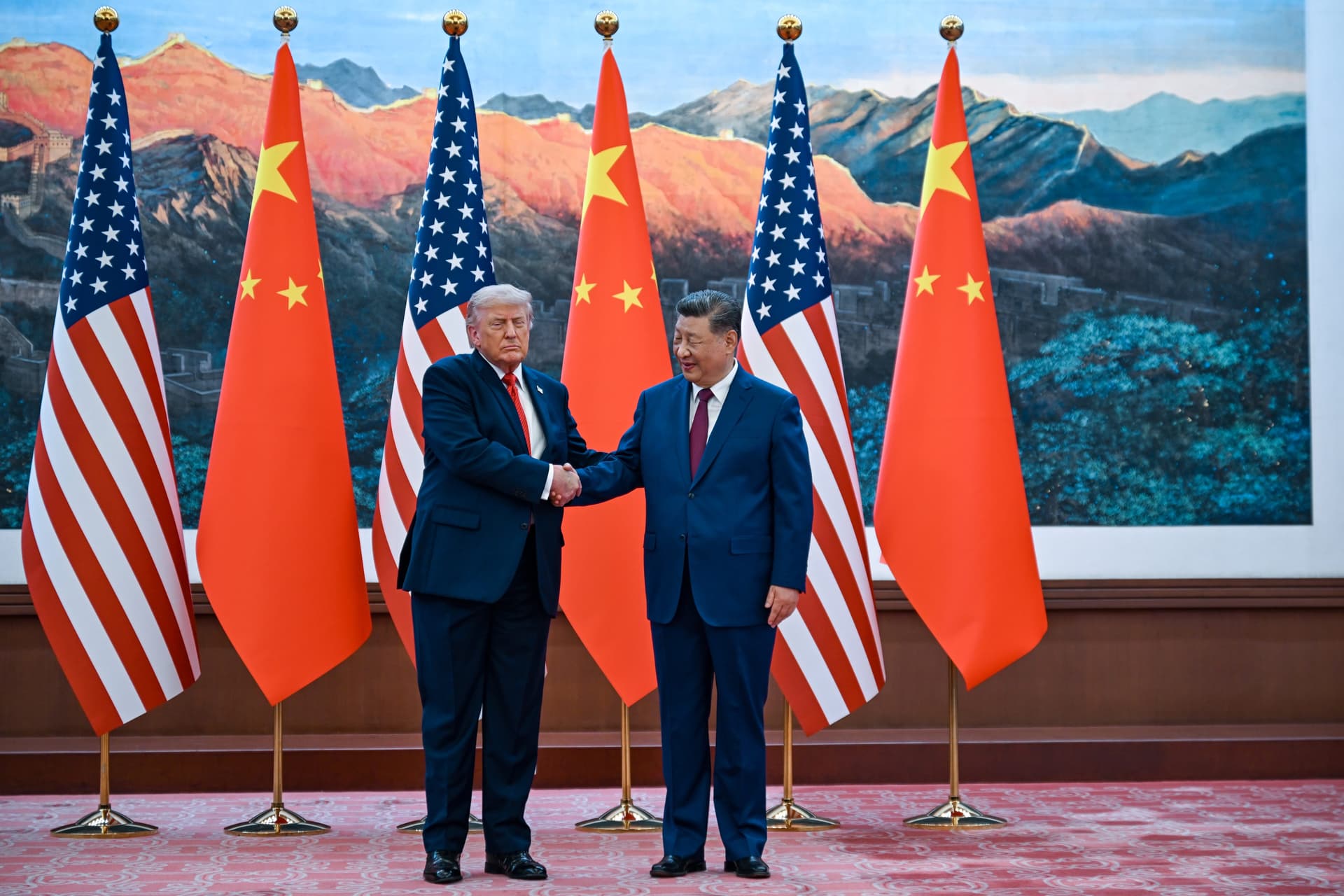
Donald Trump walked into Beijing’s Great Hall of the People for a meeting that was meant to project control, but instead exposed how much harder his China reset had become. The summit opened on May 14, 2026, after a war with Iran forced the White House to postpone the trip from its original March 31 date, and it quickly became a test of whether symbolism could cover strategic strain.
The China visit was rescheduled for May 14-15, 2026, making it Trump’s first trip to China in eight years and the first visit by a U.S. president to China since 2017. The talks came after Trump’s first major foreign trip of his second term, a May 13-16, 2025 tour of Saudi Arabia, Qatar and the United Arab Emirates that the White House cast as a business-heavy effort to close deals and showcase momentum. Beijing was meant to serve a different purpose: to show that Trump’s personal diplomacy could quickly stabilize a fraught relationship with Xi Jinping.

Instead, the backdrop was less forgiving. The United States and China were still operating under a fragile trade truce, while tensions over Taiwan, artificial intelligence, rare earth exports and tariffs remained unresolved. The Iran war had added another layer of pressure, rattling markets with concern about oil supplies, shipping routes and the Strait of Hormuz, where any disruption could ripple through global energy and trade flows. Treasury and trade officials had spent months trying to keep the bilateral relationship from sliding back into open confrontation.
Xi sharpened the stakes by warning that mishandling Taiwan could send relations spiraling toward conflict. That warning underscored how much of the summit remained about managing risk rather than producing breakthroughs. Washington and Beijing both wanted the meeting to happen, in part to prolong stability in the relationship, even as the war in the Middle East pulled U.S. attention and military resources toward another crisis.
The White House framed Trump’s mission as an economic one. Anna Kelly, the White House spokeswoman, said Trump’s goal was to continue “rebalancing the relationship with China and prioritizing reciprocity and fairness to restore American economic independence.” Chinese state media and later reporting pointed to warm language and claims of progress, but few concrete results were announced immediately. For Trump, Beijing became less a victory lap than a measure of how far his leverage had slipped after a difficult year, and whether personal chemistry could still mask a widening strategic gap with China.
This article was produced by Prism’s automated news system from verified source data, official records, and press releases, then run through automated quality and moderation checks before publishing. The system is built and supervised by the people who set the standards it runs under. Read our full AI policy.
Did this article answer your question?


