Cuba Pardons 2,010 Prisoners Amid U.S. Oil Blockade and Economic Pressure
Cuba freed 2,010 prisoners Thursday amid a U.S. oil blockade driving 15-hour daily blackouts, but Havana withheld all names and charges, leaving the political detainee question unanswered.
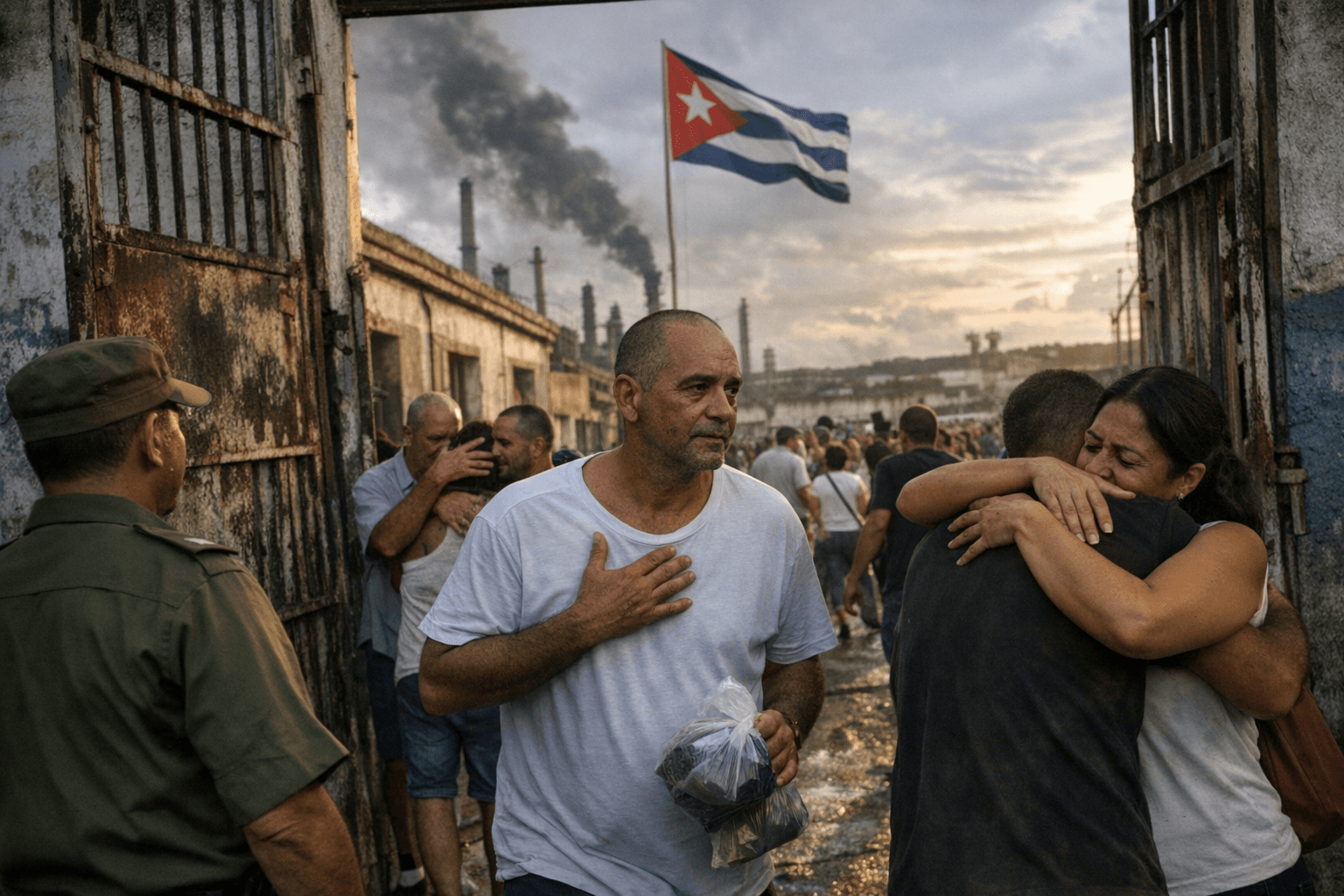
The Cuban government announced Thursday the pardoning of 2,010 prisoners, framing the sweeping release as a "humanitarian gesture" tied to Holy Week. Cuba provided no names, no charges, and no confirmation of whether any political detainees were among those freed, omissions that human rights organizations say make the claim impossible to verify.
Andy Gomez, a senior fellow at the University of Miami specializing in Cuban politics, zeroed in on Havana's word choice: "Release of prisoners, they didn't use the word political." He added: "I want to see before we react who the [prisoners] are they're releasing out of thousands. Who are they? Provide us with that list."
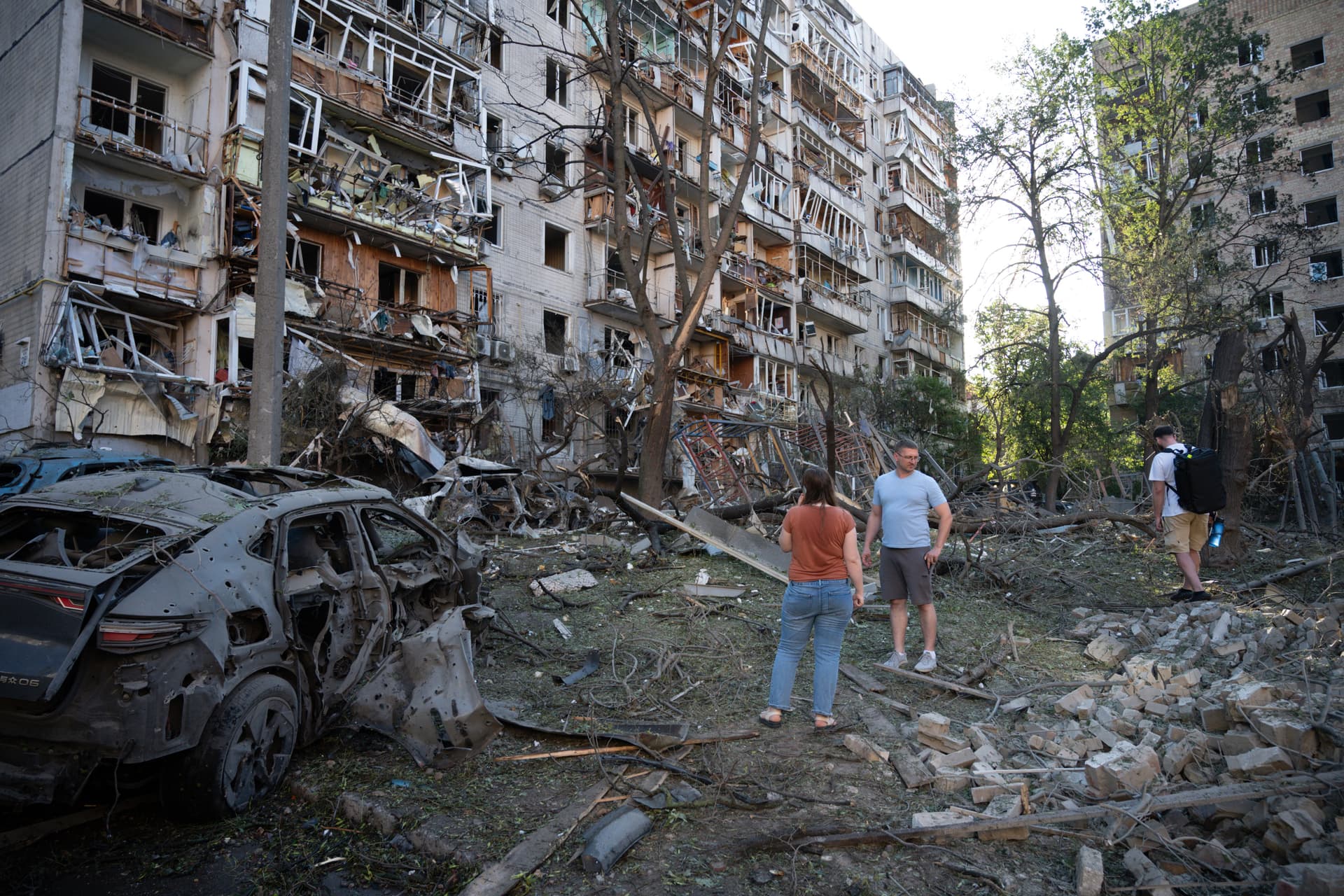
The announcement came as Cuba endures one of its most severe economic crises in decades, shaped largely by a Trump administration oil blockade now in its third month. On January 11, Trump cut off Venezuelan oil flows to Cuba following U.S. military operations in Venezuela. On January 29, he signed Executive Order 14380, declaring Cuba an "extraordinary threat" and threatening tariffs against any country supplying the island with fuel. Since then, only one oil tanker, a Russian vessel carrying 730,000 barrels of crude, has reached Havana. Rolling blackouts now last up to 15 hours daily, hospitals have canceled surgeries, and schools and businesses have shuttered across the island. The Economist Intelligence Unit projects a 7.2% GDP contraction for Cuba in 2026, part of a cumulative 23% decline since 2019. An estimated 80% of Cubans believe conditions are worse than the "Special Period" that followed the Soviet collapse in the early 1990s.
Trump has stated his demands openly: prisoner releases and political liberalization in exchange for sanctions relief. On March 16, he said of Cuba, "Whether I free it, take it, I think, I could do anything I want with it." Secretary of State Marco Rubio is leading negotiations, which Cuban President Miguel Díaz-Canel publicly confirmed on March 13 during a rare press appearance, calling them talks aimed at "finding solutions to bilateral differences." Díaz-Canel nonetheless characterized Thursday's pardons as a "sovereign practice," insisting they were not made under foreign pressure.
The Vatican has served as an active mediator. Pope Leo XIV has reportedly encouraged negotiations between Washington and Havana, and Cuba cited its "close and fluid relations" with the Holy See as a basis for the releases, consistent with the Vatican-brokered deal that led Cuba to begin releasing 553 prisoners in January 2025 after President Biden removed the island from the State Sponsors of Terrorism list. Trump reversed that delisting on his first day in office, January 20, 2025, reinstating Cuba on the SSOT list. Cuba still completed the full release of those 553 prisoners by March 2025, a pattern that suggests Havana calibrates releases for diplomatic effect regardless of whether Washington reciprocates.
Whether Thursday's 2,010 include a meaningful share of political detainees is the central unanswered question. Prisoners Defenders documented 1,214 political prisoners as of February 2026; Justicia 11J placed the number at least 760 as of mid-March. Neither figure captures the more than 1,000 demonstrators imprisoned after the July 11, 2021 protests, the largest civic uprising in Cuba since the 1959 revolution. José Daniel Ferrer, the prominent dissident freed in January 2025 and now living in the United States, described the latest releases as leverage maneuvering rather than genuine humanitarian intent.
Cuba claims it has granted pardons to 9,905 inmates since 2010 and freed an additional 10,000 in the past three years through various legislative measures. Those figures remain unverified. Until Havana publishes a list, the gap between its humanitarian framing and what independent organizations can confirm will define how Washington, human rights groups, and the families of Cuba's remaining political prisoners respond to what Díaz-Canel calls a sovereign gesture.
This article was produced by Prism’s automated news system from verified source data, official records, and press releases, then run through automated quality and moderation checks before publishing. The system is built and supervised by the people who set the standards it runs under. Read our full AI policy.
Did this article answer your question?