Cuba publishes names of thousands of prisoners covered by amnesty
Cuba named thousands covered by its amnesty, turning a vague pledge into a public list that families and rights groups can now test against reality.
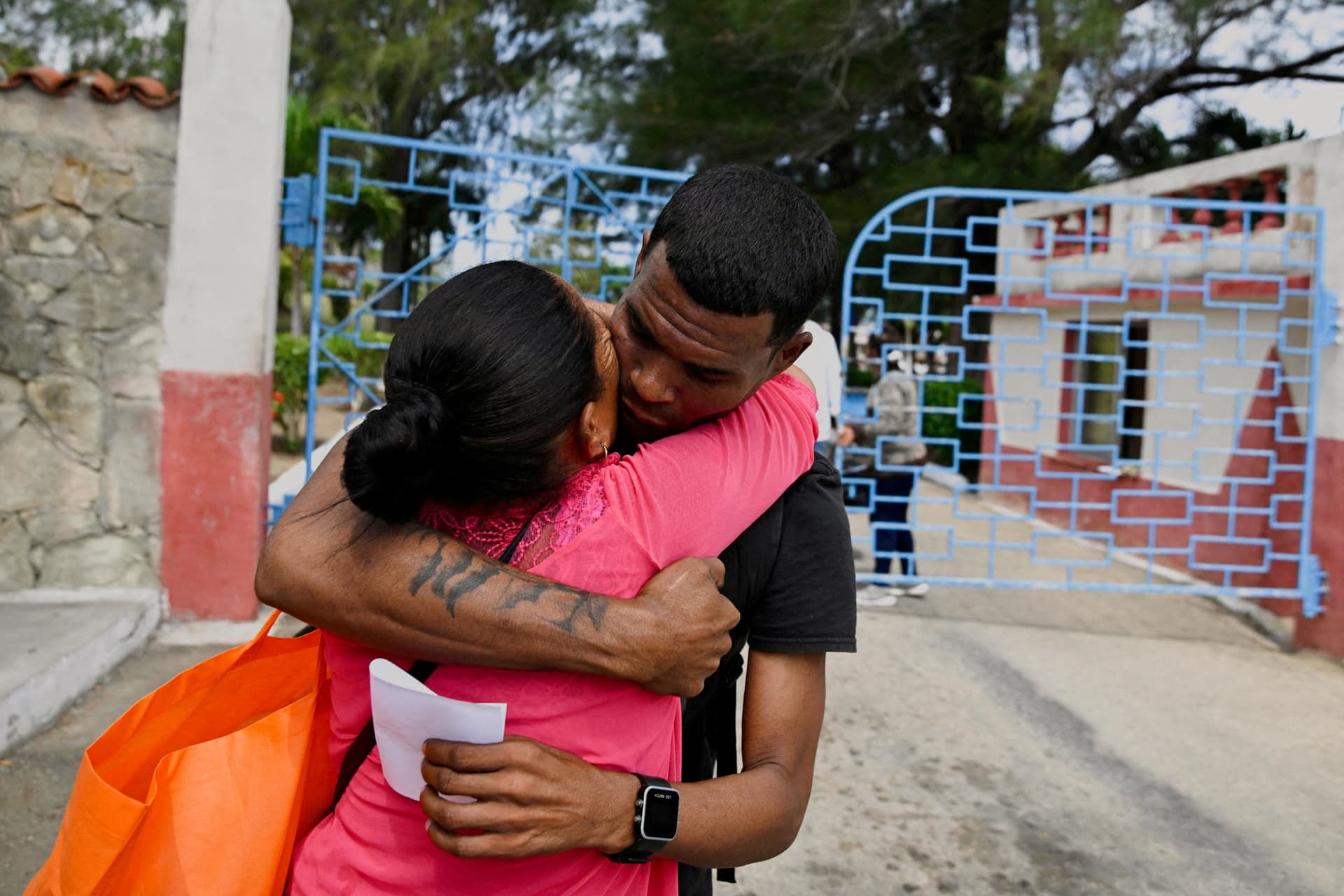
Cuba has put names to its latest prisoner amnesty, publishing a list of thousands of inmates covered by the measure in the government gazette and moving the policy from broad promise to public record. The decree, signed by President Miguel Diaz-Canel, said the release granted a “full and definitive pardon” and described it as a “humanitarian and sovereign gesture.”
The publication matters because it answers a question Havana had left open: who, exactly, was included. When Cuba announced in April that it would free more than 2,000 prisoners, later described by Reuters and others as 2,010, officials did not identify the people covered. The new list gives families, lawyers and rights groups a way to verify who is eligible, who has already gone free and who remains inside.

At least some of the prisoners named in the gazette had already been released by the time the list was published on Monday, May 25. The amnesty was the second prisoner release announced by Cuba in 2026, following a smaller move in March that freed 51 prisoners. The larger April measure came during Holy Week and Easter, a timing that Cuban authorities framed as humanitarian.
The politics around the release are hard to miss. Cuba and the United States have been holding tense talks over disputes that include political prisoners, making any mass pardon part of a broader diplomatic exchange as much as a domestic prison policy. For Havana, publishing names is also a test of credibility: it shows implementation, but it also exposes the exclusions that matter most to critics.
Rights groups have remained skeptical. Human Rights Watch said after the April 2 announcement that it had not identified any political prisoners among those released. Amnesty International said on April 15 that the measures remained marked by a lack of transparency and discretion and did not guarantee genuine respect for human rights. That criticism goes to the heart of the new list: if the amnesty is meaningful, it should be visible in the release of dissidents, protesters, older prisoners, women and people held on state-security charges, not just in the scale of the numbers.
Independent Cuban organizations have long argued that the country still holds a substantial number of political prisoners, and the publication of names now gives families and watchdogs a concrete tool to check Havana’s claims. What remains to be seen is whether the amnesty marks a real opening or a carefully managed signal, timed for pressure at home and abroad.
This article was produced by Prism’s automated news system from verified source data, official records, and press releases, then run through automated quality and moderation checks before publishing. The system is built and supervised by the people who set the standards it runs under. Read our full AI policy.
Did this article answer your question?


