Cuba warns of bloodbath as Trump pressure rises over drone claims
Díaz-Canel warned a U.S. strike would cause a “bloodbath” as Havana denied claims it stockpiled more than 300 drones. The dispute deepened an already frozen standoff.

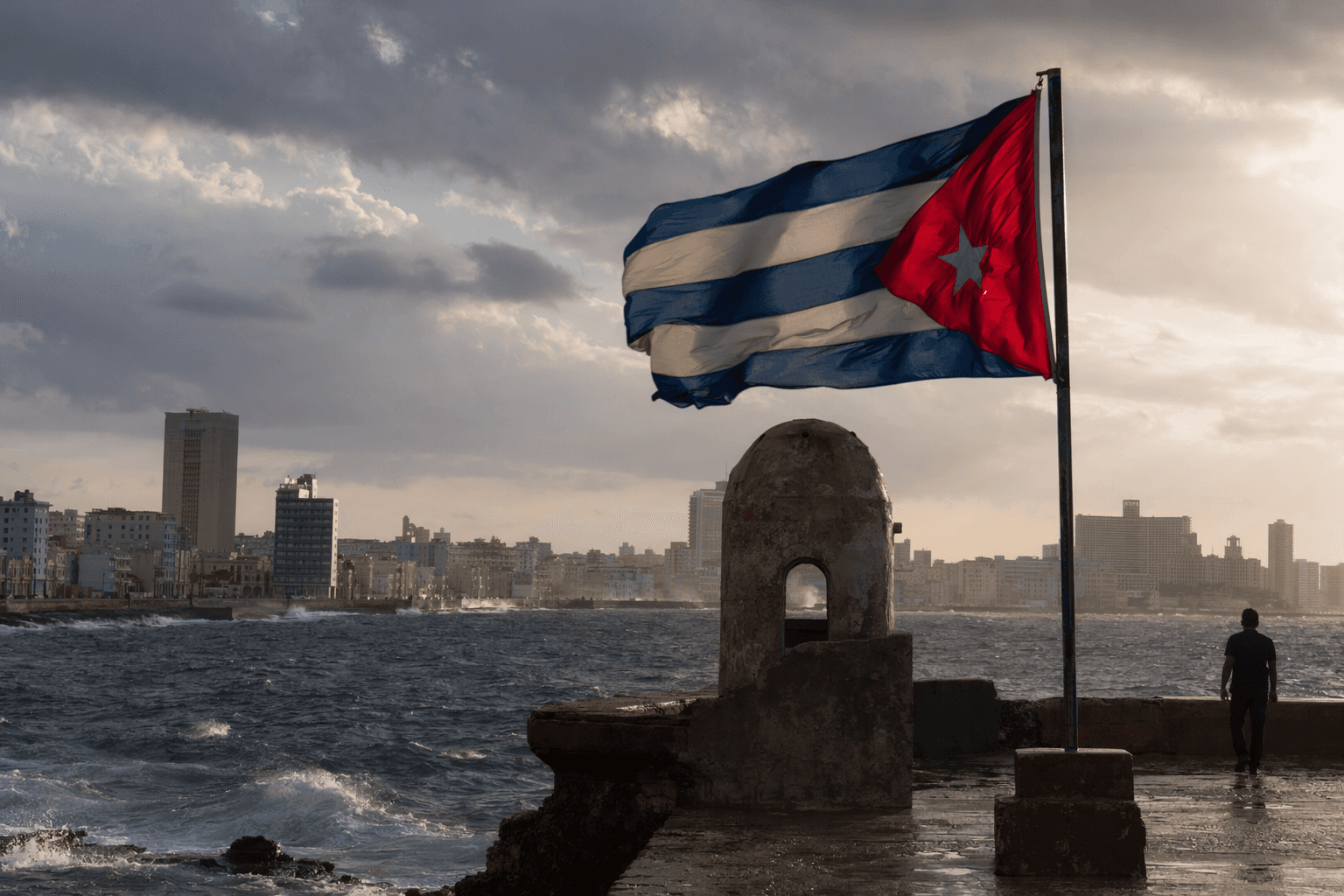
Cuba’s president warned that any U.S. military action against the island would trigger a “bloodbath,” as Havana tried to blunt fresh allegations that it had stockpiled drones with possible uses against American targets.
Miguel Díaz-Canel said Cuba posed “no threat” to the United States and argued that an attack would endanger regional peace and stability. His warning landed as the Trump administration kept ratcheting up pressure on Havana, turning a disputed intelligence claim into the latest flashpoint in a relationship already defined by sanctions, suspicion and military posturing.
The allegations centered on U.S. intelligence assessments that Cuba had acquired more than 300 military drones since 2023, allegedly from Russia and Iran. The reported concern was not simply the hardware itself but what U.S. officials said it could mean in an era when drone warfare has changed the balance of low-cost military threats. Officials cited in the intelligence discussion also pointed to the presence of Iranian military advisers in Havana, and to reported conversations about possible drone use against Guantánamo Bay, U.S. military vessels and, potentially, Florida.
The Cuban government pushed back hard. Foreign Minister Bruno Rodríguez called the accusations a “fraudulent case” and accused Washington of manufacturing a threat to justify sanctions and possible military intervention. The dispute has not been independently verified in public, but it fit a familiar pattern in which intelligence claims and Cuban denials quickly become part of a broader political escalation.
That escalation has been sharpened by the Trump administration’s recent moves against Cuba. The White House strengthened U.S. policy pressure on the island in June 2025 through a National Security Presidential Memorandum, and recent reporting has said Trump grew frustrated that the pressure campaign had not produced major political change in Havana. The drone claims now give the administration another security argument to justify a harder line.
The stakes are amplified by history. The U.S. naval station at Guantánamo Bay has existed since 1903, the 1962 Cuban Missile Crisis still shapes how both governments read each other’s intentions, and the U.S. embargo has lasted for decades. Separate reporting has also said U.S. prosecutors had planned to indict former Cuban leader Raúl Castro over Cuba’s 1996 shootdown of two planes, a reminder that old wounds remain open. In that context, Cuba’s warning and Washington’s pressure looked less like a one-off clash than another turn in a long, volatile confrontation.
Know something we missed? Have a correction or additional information?
Submit a Tip