Kim orders stronger frontline defenses along South Korea border
Kim Jong Un told commanders to harden border forces and widen practical drills, but the clearest shift so far is in messaging, not battlefield evidence.
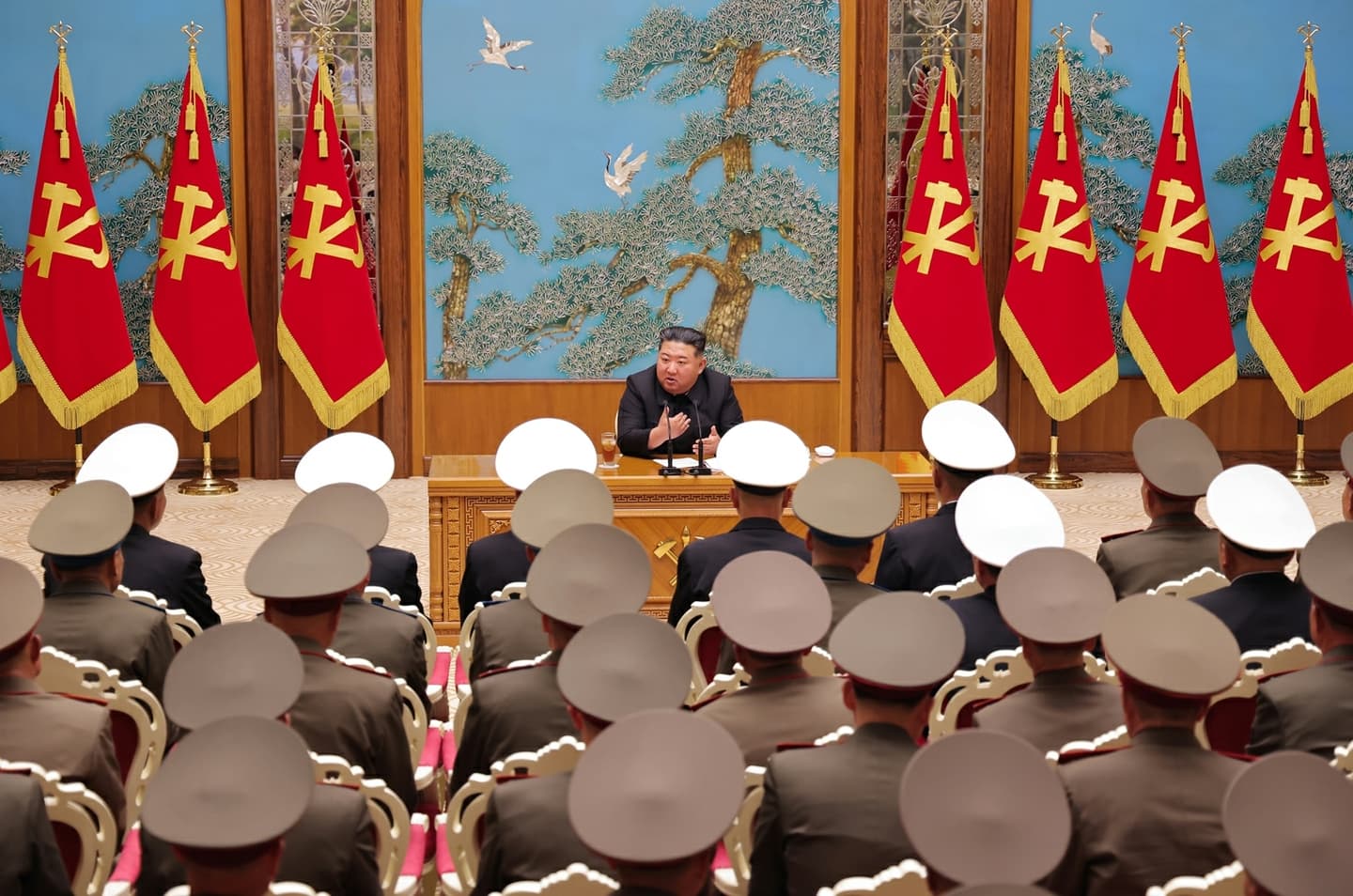
Kim Jong Un has ordered a stronger push to reinforce frontline units along North Korea’s border with South Korea, casting the move as a way to “more thoroughly deter war” while signaling that Pyongyang intends to keep its military on a wartime footing. State media said Kim made the remarks on May 17 during a meeting with commanders of divisions and brigades across the army, a gathering that Yonhap News Agency said was the first publicly reported session of its kind since Kim took power in late 2011.
The instructions focused on training, doctrine and equipment as much as on troop posture. KCNA said Kim called for adjusting the training system and expanding practical drills so they reflect modern warfare, while also urging the military to redefine operational concepts in line with rapidly improving military and technical equipment. In state media’s telling, the southern border is to become an “impregnable fortress,” language that underscores the political purpose of the meeting as much as any operational change.
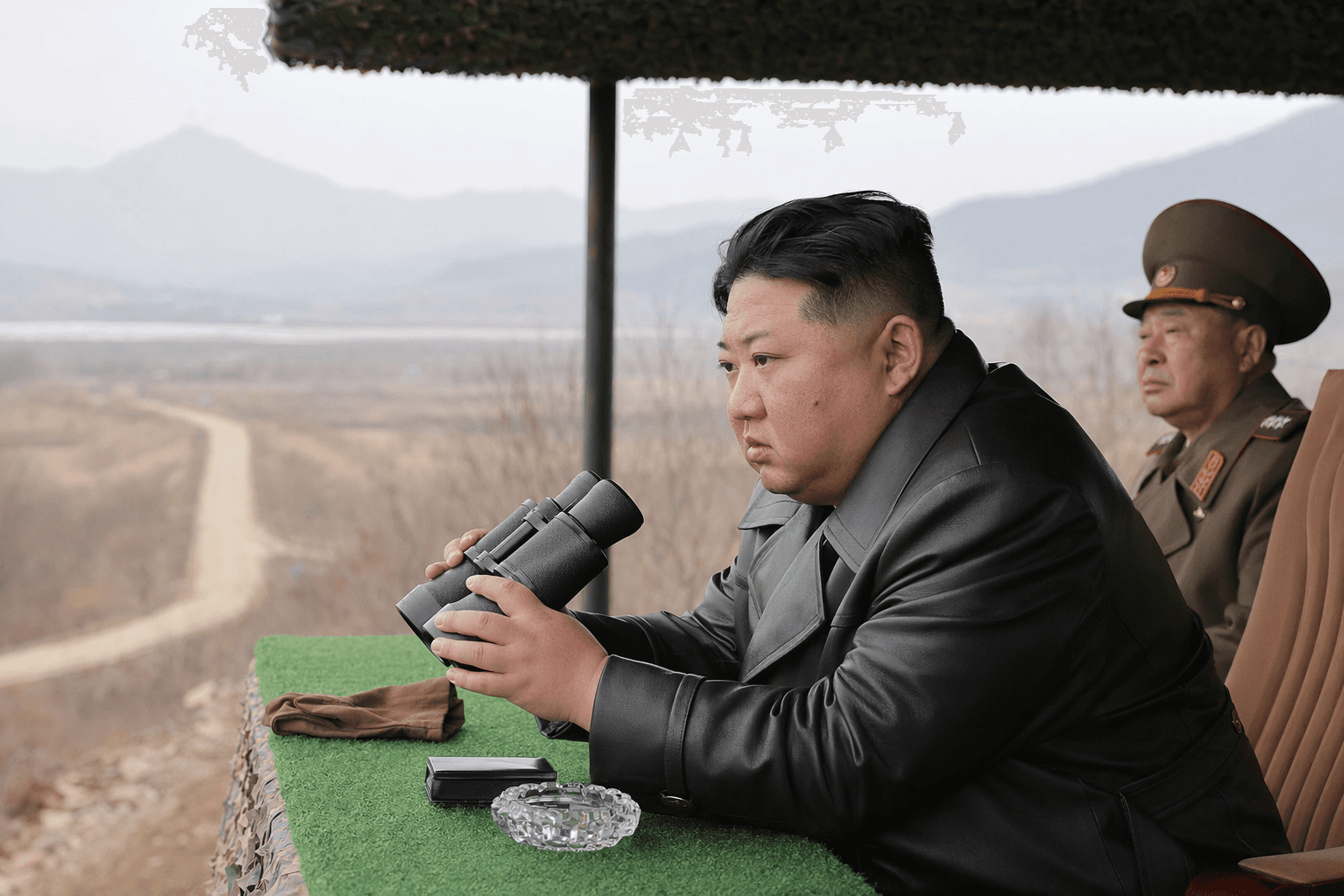
That distinction matters. The reports describe a harder line and a sharpened deterrence message, but they do not detail a new troop deployment, a redeployment of major forces, or a confirmed jump in capability along the Demilitarized Zone. The substance that can be verified is Kim’s directive to frontline and major units, his demand for more realistic combat drills, and his push to align tactics with North Korea’s evolving weaponry. The message to Seoul and Washington is that North Korea is not signaling restraint.
The meeting also fits Pyongyang’s broader “two hostile states” line toward South Korea, a framing that treats inter-Korean ties as relations between separate enemies rather than a divided nation awaiting reconciliation. South Korean media said analysts view that posture as part of a wider effort to normalize permanent confrontation, while the focus on divisions and brigades suggests the army’s lower-level combat formations are being placed at the center of that strategy.
For Seoul, Washington and United States Forces Korea, the timing is likely to reinforce existing scrutiny of North Korean missile, artillery and troop activity. The Korean Peninsula remains one of the world’s most heavily militarized flashpoints, and any reinforcement of forces closest to the border will be read in South Korea as both a defensive measure and a political signal. For now, the clearest change is not on the ground but in the framing: Kim is presenting the frontier as a fortified line, and daring adversaries to test it.
Know something we missed? Have a correction or additional information?
Submit a Tip