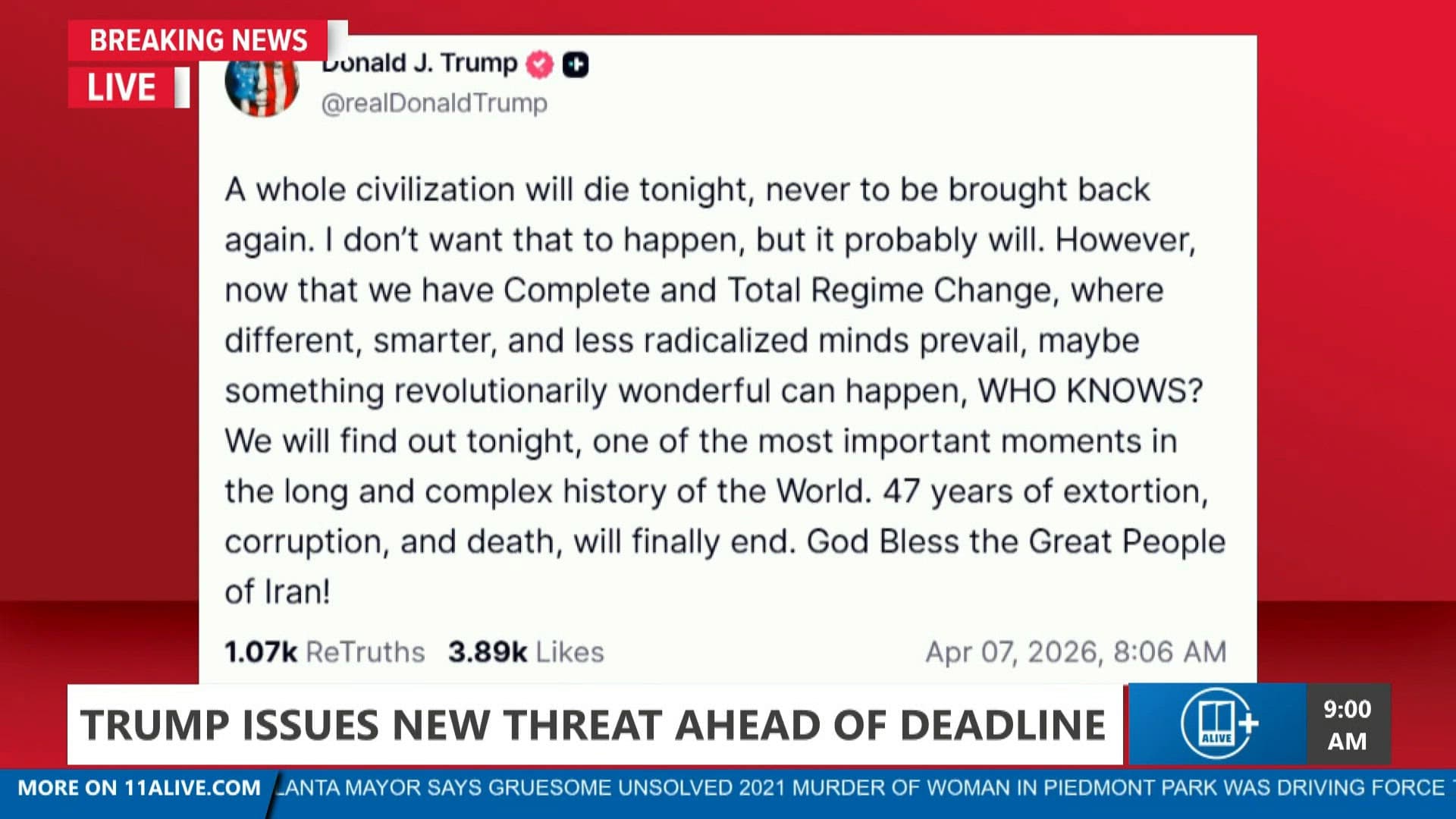
Trump warns Iran as U.S. pushes U.N. plan to secure Hormuz
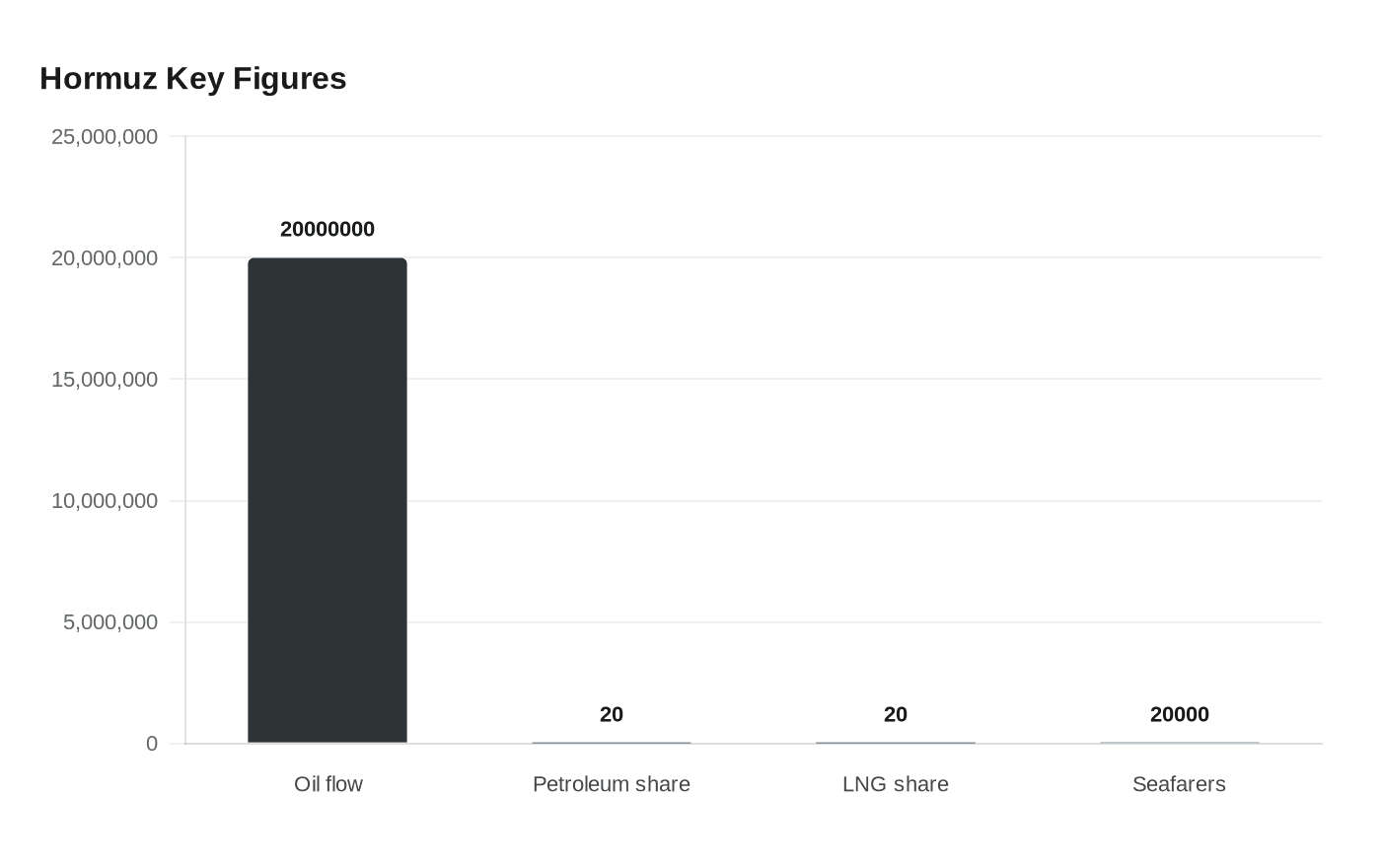
Trump escalated warnings as the Hormuz chokepoint rattled energy markets, with 20,000 seafarers trapped and nearly one-fifth of global oil trade at risk.
The Strait of Hormuz has become more than a military flashpoint. It is the narrow gate through which about 20 million barrels of oil a day moved in 2024, along with roughly one-fifth of global liquefied natural gas trade, and any prolonged disruption would ripple quickly into fuel prices, shipping costs and U.S. inflation.
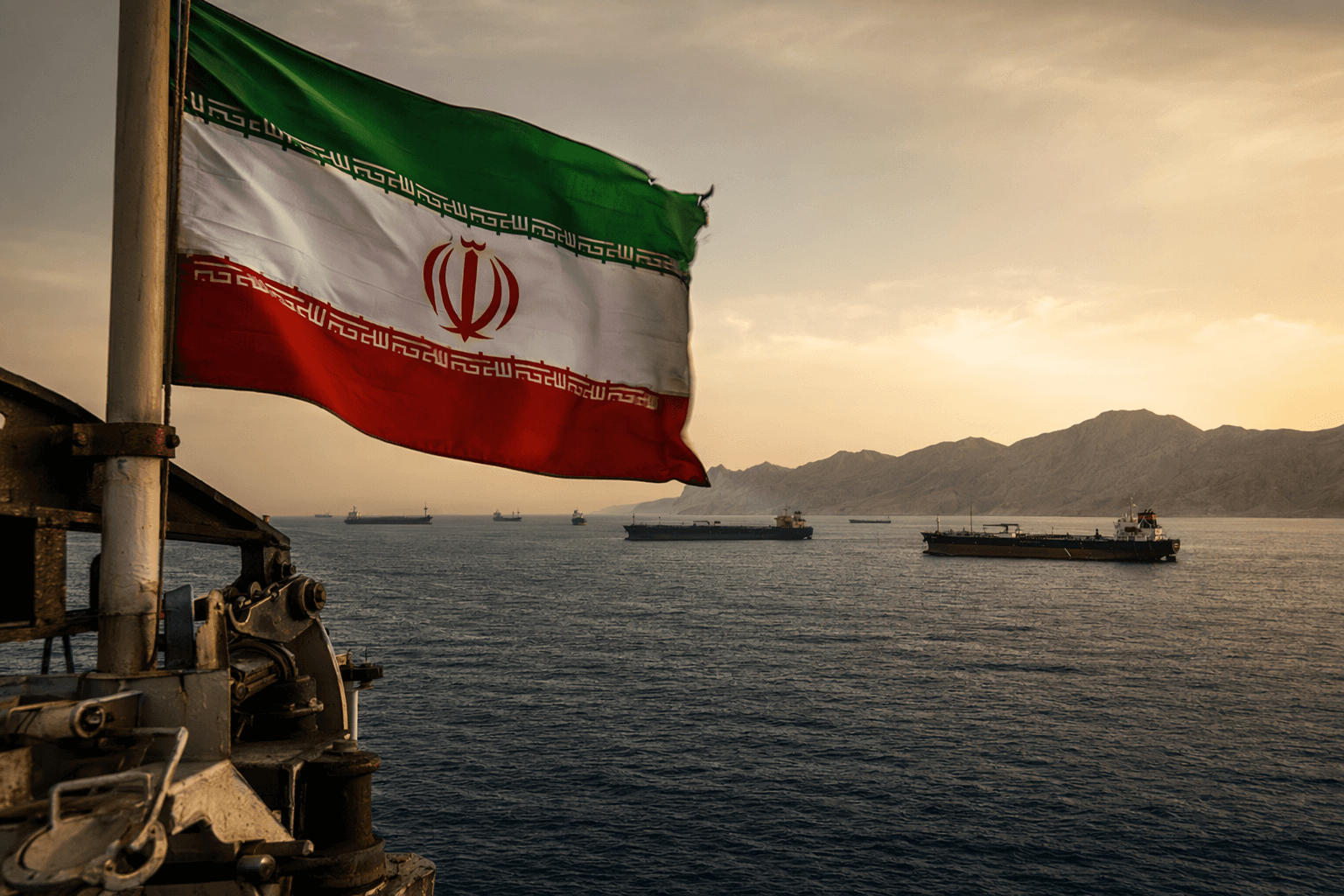
President Donald Trump has sharpened his warnings to Iran as Washington tries to build an international response around the waterway. On May 5, 2026, Secretary of State Marco Rubio said the United States had circulated a draft U.N. Security Council resolution with Bahrain and other Gulf partners to defend freedom of navigation in the Strait of Hormuz. The draft calls on Iran to stop attacks, mining and tolling in the strait, reflecting U.S. claims that Tehran has tried to close the waterway by force.
The stakes go well beyond the oil market. The International Maritime Organization said on April 24 that about 20,000 seafarers were trapped in the region and unable to leave, and its secretary-general, Arsenio Dominguez, called for coordinated action. The agency condemned threats and attacks on civilian shipping, warning that no such attack is justified. In practical terms, the longer vessels hesitate, the higher the costs can climb for insurers, cargo owners and consumers who eventually pay for the delay.
U.S. energy officials say the choke point matters because it carries not just crude but gas. The Energy Information Administration says the strait handled about 20 million barrels per day in 2024, or roughly 20% of global petroleum liquids consumption, and about one-fifth of global LNG trade, primarily from Qatar. It has also said AIS signal data for ships transiting the strait have been especially unreliable since the end of February 2026, forcing frequent revisions to tanker-tracking estimates and making the flow of commerce harder to read in real time.
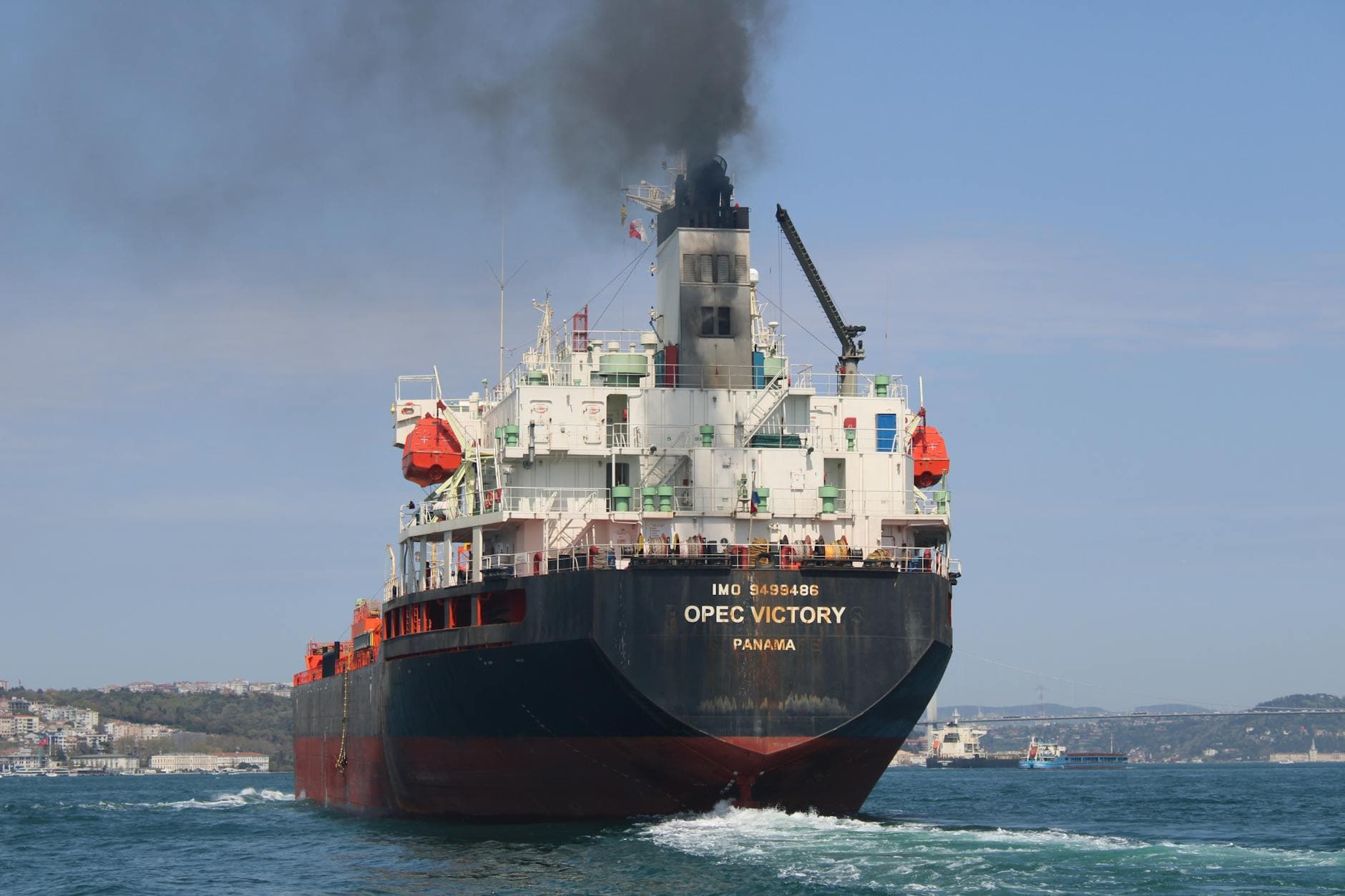
Iran has answered with defiance and conditional language. On May 15, Iranian Foreign Minister Abbas Araghchi said Tehran has “no trust” in the United States and would negotiate only if Washington is serious. He also said vessels may pass through the strait except those “at war” with Tehran, provided they coordinate with Iran’s navy. That posture leaves shipping lanes open in theory but keeps the threat of selective disruption alive, which is often enough to unsettle markets.
The International Energy Agency says most oil leaving Hormuz goes to Asian buyers, especially China, India and Japan. That geography matters: a prolonged crisis would squeeze the world’s spare oil production capacity, lift freight and insurance costs across the Persian Gulf, Gulf of Oman and Arabian Sea, and test whether the coalition building around Hormuz can outpace the conflict itself.
Know something we missed? Have a correction or additional information?
Submit a Tip