Prosecutors say Iranian proxies stabbed British-Iranian journalist in London
Prosecutors said men who fled Britain within hours of a Wimbledon stabbing were acting for Iran. The case exposed how quickly transnational repression can reach into London.
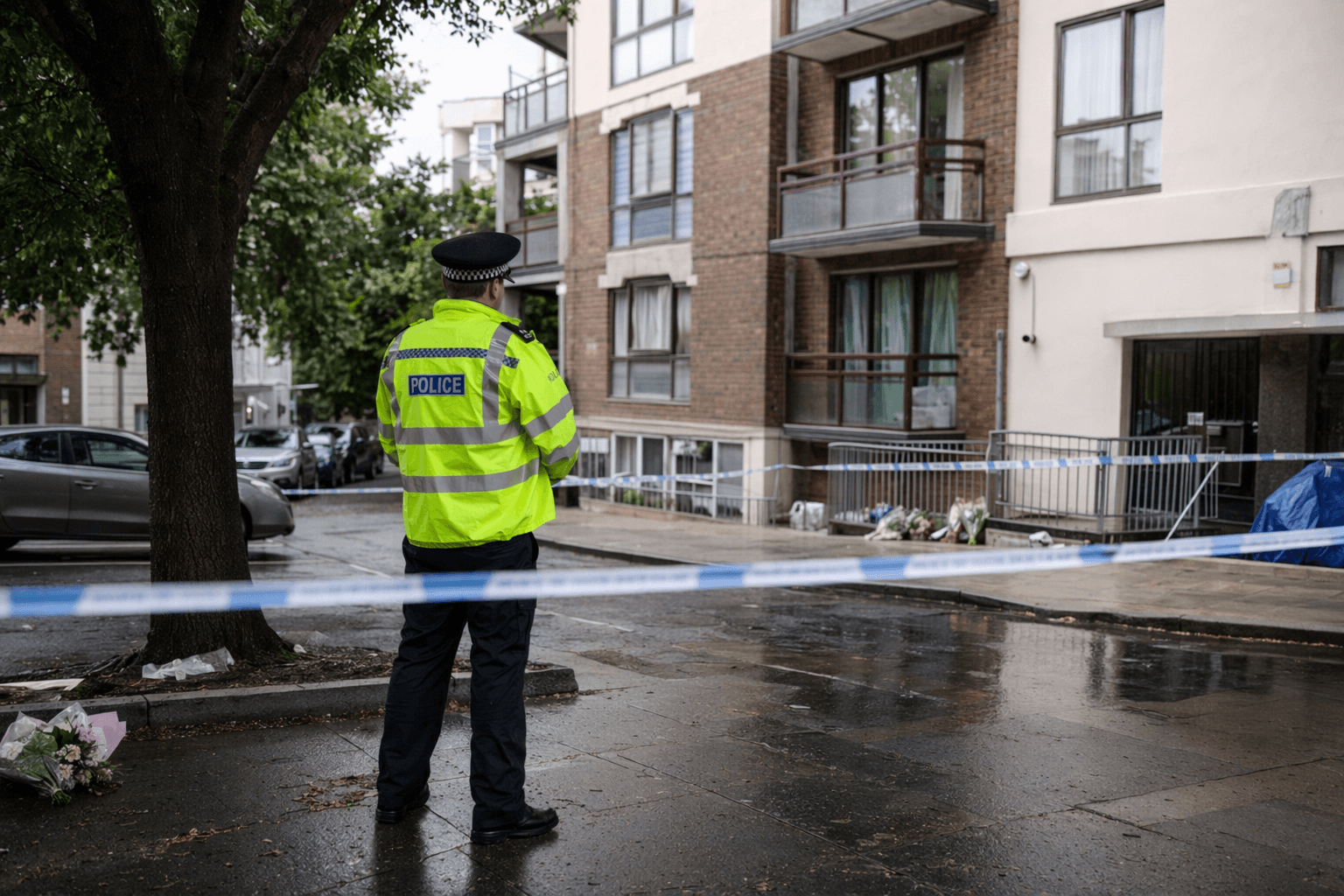
Pouria Zeraati was left with three stab wounds after attackers ambushed him near his Wimbledon home in southwest London, then fled the United Kingdom within hours. The British-Iranian journalist, who works for the Persian-language broadcaster Iran International, was stabbed in the leg on 29 March 2024 and later said he “lost a lot of blood.”
The Metropolitan Police launched a global manhunt as counter-terrorism officers took over the case, citing Zeraati’s work and recent threats to UK-based Iranian journalists. Iran International said he had been receiving heavy death threats before the attack, and the broadcaster described the assault as hugely frightening. Police said the suspects left through Heathrow Airport, underscoring how fast an attack on a London street could spill into an international pursuit.
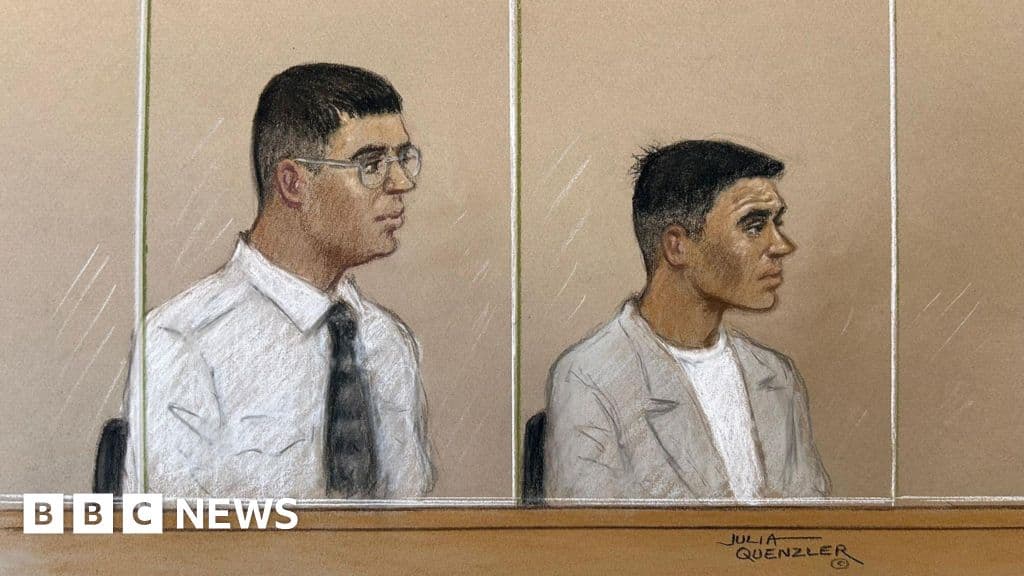
Prosecutors now say the men who carried out the stabbing were Romanian nationals acting as proxies for the Iranian government, targeting Zeraati because his employer is critical of Tehran. That allegation puts the case squarely in the wider pattern of transnational repression that Western governments and rights groups have been warning about for years, in which dissidents, journalists and media workers are harassed, threatened or attacked far from home.
The alarm widened in May 2024, when United Nations experts condemned the stabbing as part of a broader pattern of violence and intimidation against Persian-language media. Reporters Without Borders said the attack shocked the exiled Iranian-journalist community and, in December 2024, reported that two Romanian nationals had been arrested in Romania in connection with the case. The Committee to Protect Journalists called for an investigation into whether the assault signaled a new wave of cross-border repression by the Islamic Revolutionary Guard Corps.
The case has also sharpened scrutiny of Britain’s defenses against foreign interference. The House of Commons Library said in 2025 that Iranian state threat activity in the UK had targeted journalists, dissidents and others, while MI5 chief Sir Ken McCallum said security agencies had tracked more than 20 potentially lethal Iran-backed plots in the previous year. For London, the stabbing was not only a violent attack on one journalist, but a warning that hostile states can reach deep into a close ally before victims or police can respond.
Know something we missed? Have a correction or additional information?
Submit a Tip