Germany earmarks 10 billion euros to bolster civil defence against war risks
Germany set aside €10 billion to rebuild civil defence, from shelters and warning apps to mass-casualty medical gear, as Ukraine’s war reshaped Europe’s security thinking.

Germany moved to commit 10 billion euros, about $12 billion, to civil defence as it redrew the line between military readiness and the civilian systems needed to survive an attack or a prolonged emergency. The plan, which runs through 2029, reflected a stark shift in Berlin: security was no longer treated as a question of tanks and troops alone, but of shelters, warning networks, rescue capacity and the ability to keep basic services working under pressure.
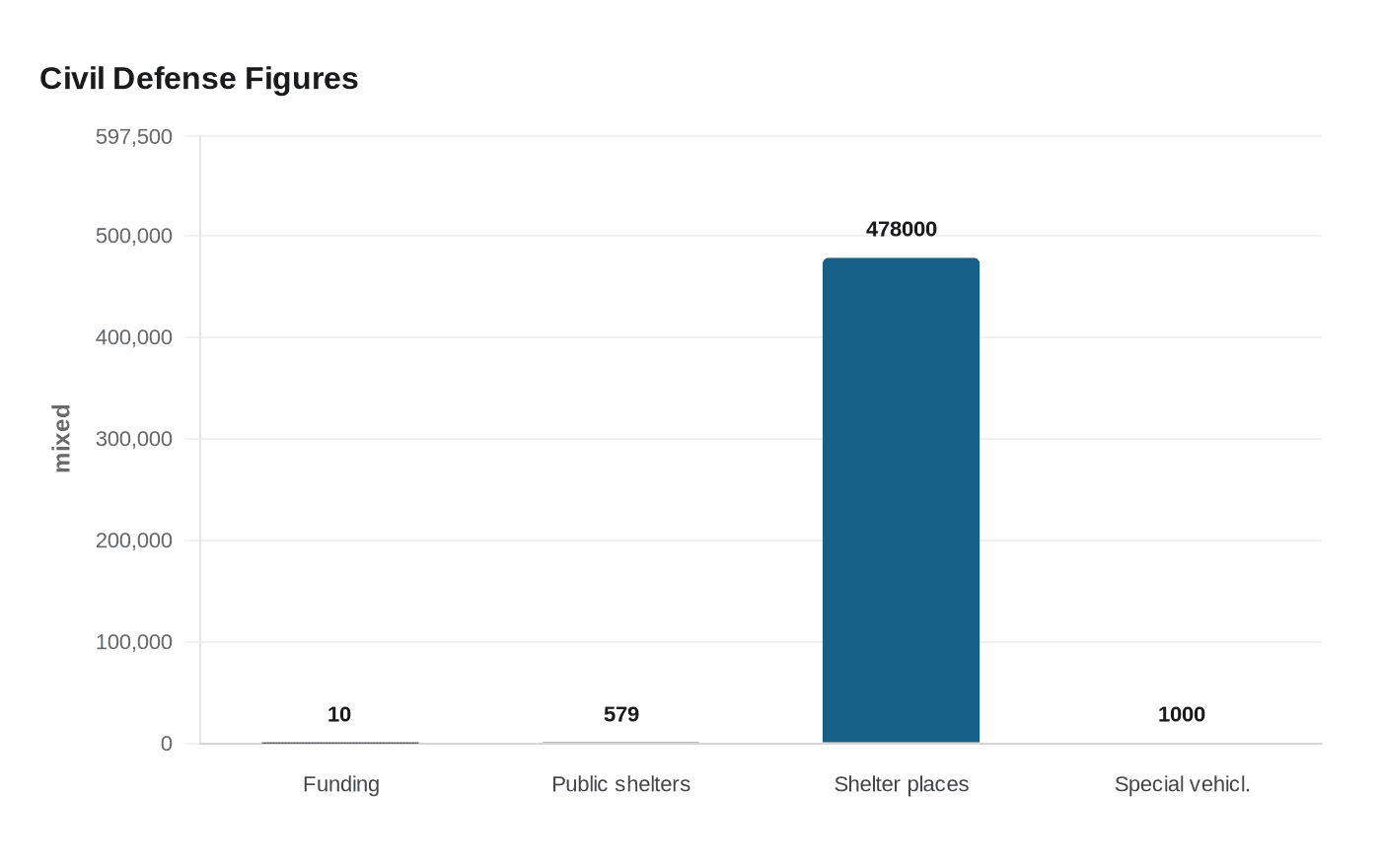
The package was built around practical gaps that have lingered since the Cold War. Germany still had just 579 public shelters for roughly 478,000 shelter places, far below the about 2,000 shelters the country once maintained. Many of the remaining sites were relics that had not been used regularly for decades, leaving a sparse and aging network for a country now preparing for war risks, hybrid attacks and large-scale emergencies.
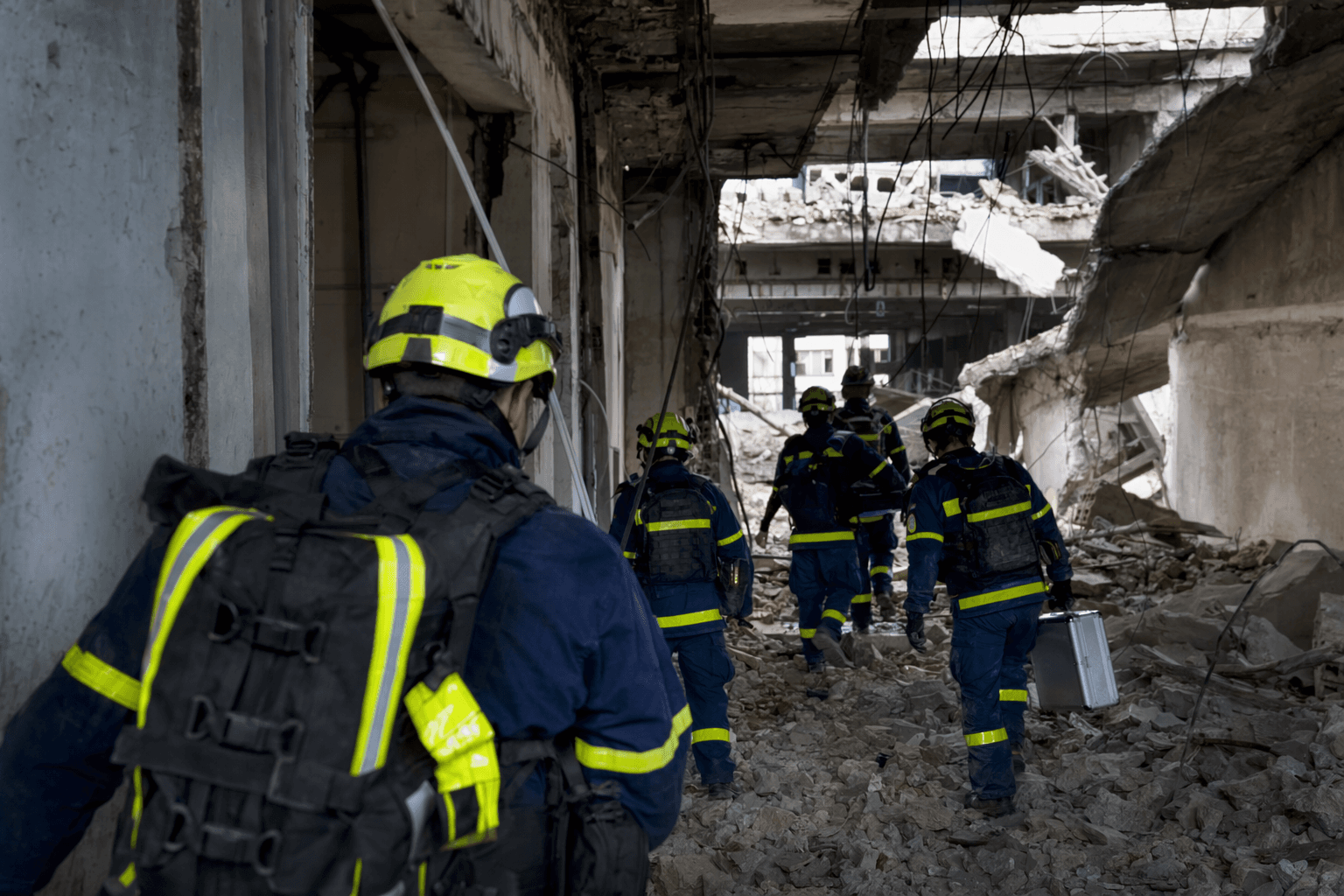
The money was expected to pay for upgraded medical infrastructure for mass-casualty incidents, around 1,000 special vehicles, 110,000 portable cots, expanded shelter capacity and stronger alerting systems for the public. Officials also pointed to additional bunkers and a smartphone app designed to tell citizens the nearest shelter in a war or natural-disaster scenario. The emphasis on alerts, stockpiles and medical response showed how civil defence was being recast as a front line in its own right, not as an afterthought to military planning.
That shift was tied directly to Russia’s invasion of Ukraine and to the wider threat picture in Europe. German officials have increasingly described threats in terms that include attacks on the electricity grid, disinformation campaigns and other forms of hybrid warfare. Interior Minister Alexander Dobrindt said the money had been set aside for exactly this purpose, while Defence Minister Boris Pistorius argued that Germany could not talk about defence capabilities without also supporting civil defence.
The Federal Ministry of the Interior has said civil protection is a shared responsibility of federal, state and local authorities, working with fire brigades, aid organizations and the Federal Agency for Technical Relief, known as THW. The Federal Office of Civil Protection and Disaster Assistance, or BBK, is expected to be central to carrying out the plan. Dobrindt discussed budget priorities for 2025 to 2029 with BBK leadership in Bonn, where the ministry also handed over civil-protection vehicles, underscoring how quickly the policy has moved from concept to equipment.
The effort sat inside a broader hardening of Germany’s security architecture. Parliament approved a critical-infrastructure resilience law on January 29, 2026, and Germany’s civil-protection strategy says resilience to disasters also strengthens resilience to military and hybrid threats. Together, the measures marked a break from the post-Cold War assumption that war preparedness was mainly a military question.
Know something we missed? Have a correction or additional information?
Submit a Tip