Cuban Entrepreneurs Test Limits as Private Sector Sees Narrow Opening
Ricardo Herrero warns Cuba’s electricity grid is near collapse, with provinces seeing two- to three-day blackouts and only one hour of power when it returns.
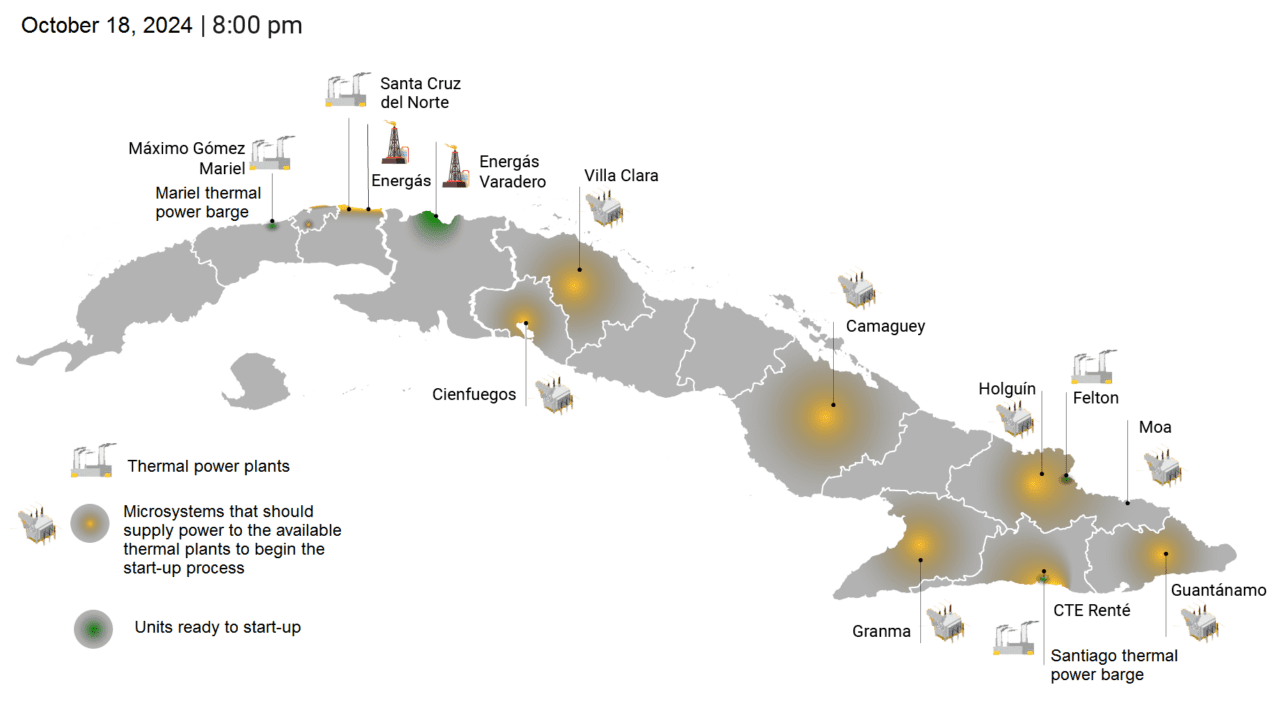
Ricardo Herrero, executive director of the Cuba Study Group, warned that Cuba now faces an electricity system on the brink of failure: "You have an electricity grid on the verge of complete collapse with the island suffering repeated nationwide blackouts in some provinces two to three days in a row before they then have access to one hour’s worth of electricity," Herrero said during an interview with The World published March 5, 2026 and hosted by Carolyn Beeler.
The World’s feature places the outages alongside shortages of basic food supplies, a connection Herrero underlined: "Cubans are suffering significant food shortages. Many Cubans are making do with one meal a day and a very bare bones meal at that." In Cuba, food is scarce and power outages are frequent as the island grapples with Washington’s blockade of Venezuelan oil, the piece states, connecting the immediate shock to longer-running constraints.
For decades, Washington has pressured Havana to open its economy to private investment, and those calls "grew more urgent in recent weeks as the US oil blockade pushed Cuba’s economy into a tailspin," the interview and analysis note. At the same time, the Trump administration has begun easing certain trade restrictions, while officials on the island are making overtures to the nascent private sector, creating what The World describes as a narrow opening for entrepreneurs.
Photographs accompanying the March 5, 2026 feature add stark visual context. One caption shows a person standing on a dock saluting a large orange cargo ship named Ocean Mariner as it passes on the water, while an alternate caption describes a person watching the oil tanker Ocean Mariner, Monrovia, arrive to the bay in Havana, Cuba, Friday, Jan. 9, 2026. Another nighttime image shows a car with headlights illuminating an otherwise dark street and a silhouetted pedestrian, an image that echoes Herrero’s account of extended outages.

The source material does not list which US trade restrictions have been eased or name Cuban officials responsible for the supposed overtures to private businesses. It also provides qualitative outage metrics rather than province-level or national figures, specifying only that some provinces have endured "two to three days in a row" of blackouts and then receive "one hour’s worth of electricity" when power returns.
That mix of policy movement and acute shortages frames the dilemma facing Cuba’s private entrepreneurs: nascent businesses may see fresh market opportunities if Washington’s regulatory shifts continue and Havana follows through on overtures, but the immediate reality Herrero described—repeated multi-day blackouts, razor-thin food supplies, and an economy pushed into a tailspin by the blockade of Venezuelan oil—means any window to scale operations will be narrow and fraught with infrastructure risk.
Know something we missed? Have a correction or additional information?
Submit a Tip