Cuba's daily grind deepens as sanctions, fuel shortages bite
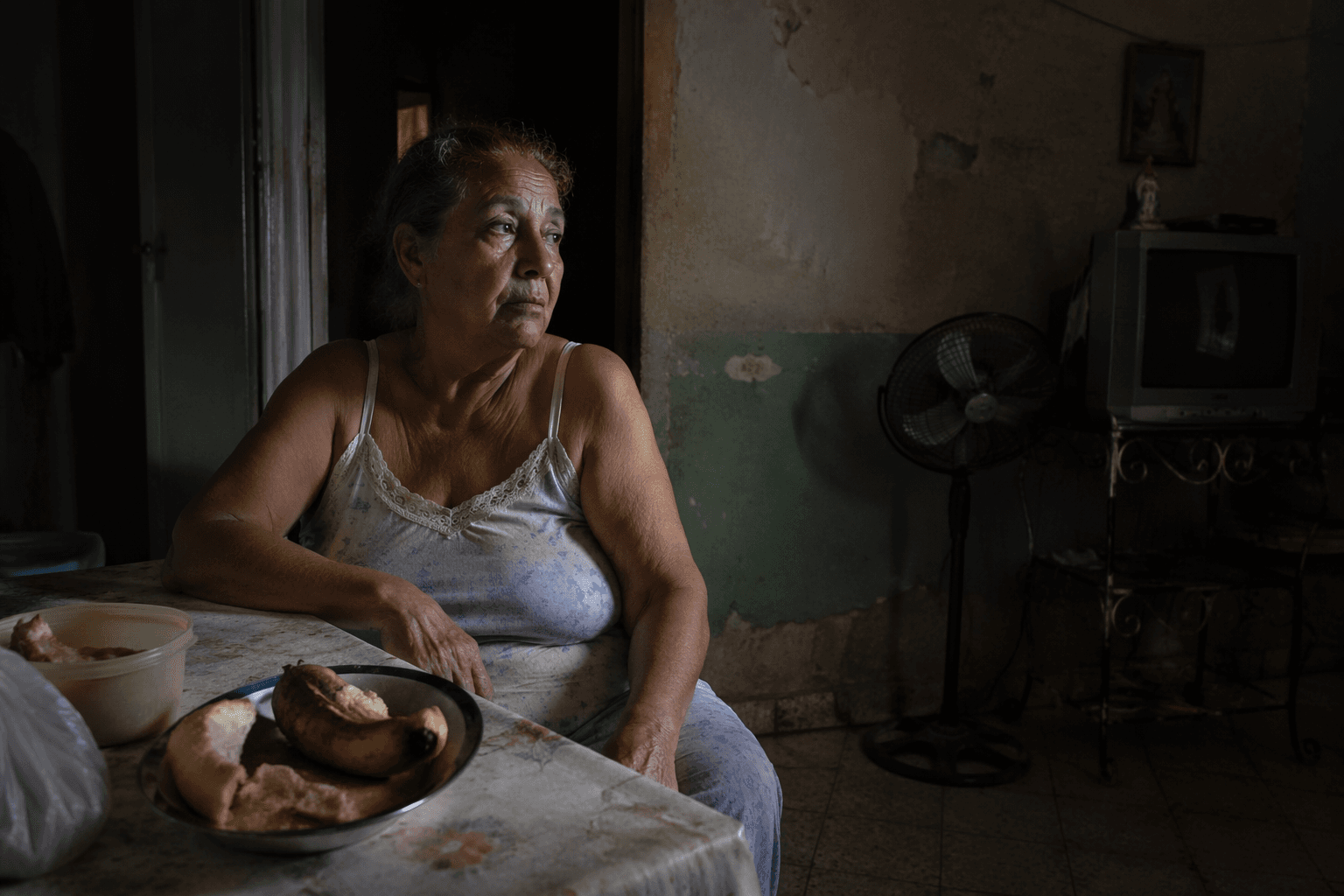
Felicia de la Caridad Alvarez lives with spoiled food, blackouts and a broken TV, a small portrait of Cuba’s wider collapse under sanctions and fuel shortages.

Felicia de la Caridad Alvarez sat with the daily proof of Cuba’s strain around her: spoiled food in the refrigerator, unreliable water, sporadic electricity and a broken television in her home in Old Havana. The 64-year-old former hospital custodian, who is blind in one eye and lives with hypertension and diabetes, has become one face of an island economy pushed into emergency by tightened U.S. sanctions and a fuel blockade.
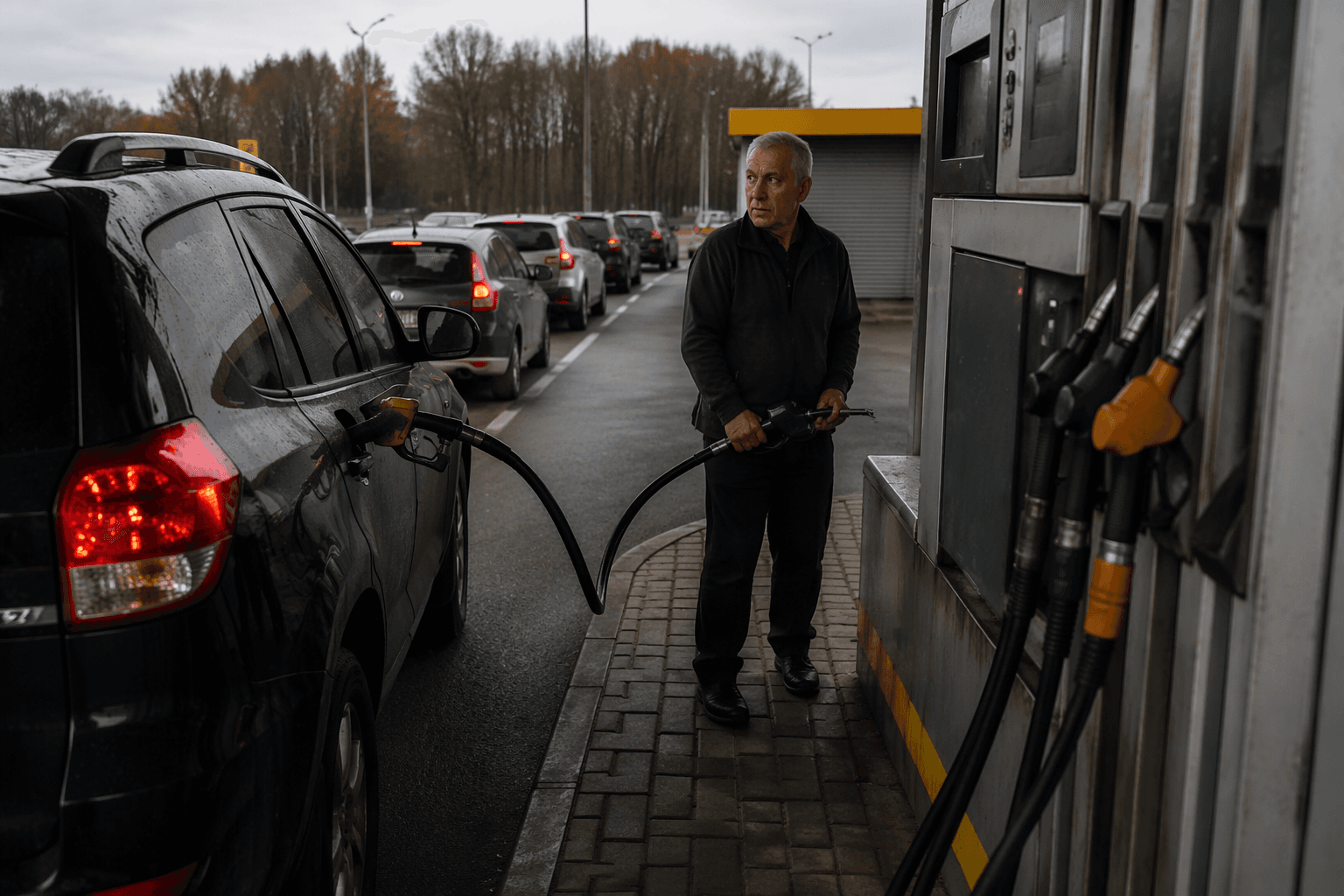
Her household hardships reflected a national crisis that has spread through transportation, food and work. Cuba’s state-run economy, already inefficient, has lurched deeper into distress as power has been rationed, the health system has deteriorated and tourism has taken a hard hit. The shortages have changed the smallest routines of daily life, from keeping food from spoiling to finding a way across town when gasoline is scarce.
Cubans have answered with improvisation. Farmers have turned to black-market diesel or oxen instead of tractors. In some areas, electric tricycles have replaced petrol taxis. Solar panels and power banks have become ordinary survival tools, not luxuries. These workarounds have kept people moving and households functioning, even as the island’s infrastructure has frayed.
The government has not collapsed, in part because Cubans have spent decades learning how to endure scarcity, and in part because the state has built a culture of resistance known as resistir, a word that prizes endurance over open rebellion. Fear also has a tight grip on public life. Two dozen Cubans described hesitation about protesting because of possible retaliation, including consequences for family members, a threat that has helped keep anger from spilling fully into the streets.
That resilience complicates Washington’s strategy. The Trump administration has treated sanctions and the oil blockade as pressure meant to force political change, and officials there believe the campaign is working. But the persistence of Cuban society has blunted that calculation. Daily life on the island has become a test of endurance in which ordinary people keep families fed, work schedules moving and homes running, even as the systems around them fail.
This article was produced by Prism’s automated news system from verified source data, official records, and press releases, then run through automated quality and moderation checks before publishing. The system is built and supervised by the people who set the standards it runs under. Read our full AI policy.
Did this article answer your question?