Cuba's energy crisis deepens as solar panels and charcoal reshape daily life
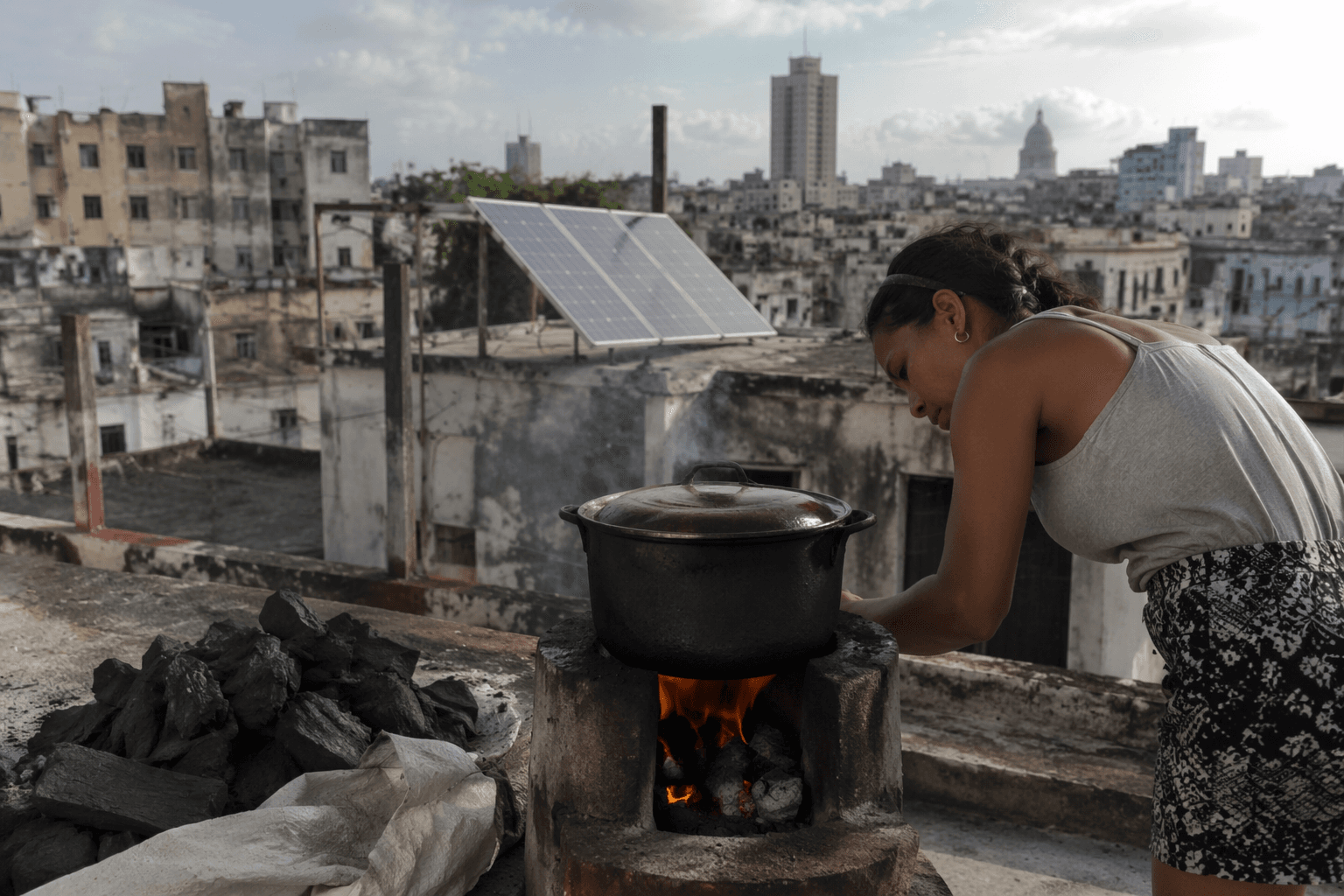
Havana rooftops are sprouting solar panels as many families fall back on charcoal, a costlier and dirtier answer to Cuba’s worsening blackouts.

A solar panel on a Havana rooftop has become a sign of privilege as much as resilience. For Cubans who can afford it, rooftop panels are turning into a fast-growing escape hatch from power cuts; for everyone else, charcoal, batteries and improvisation are filling the gap as blackouts and fuel shortages spread across homes, businesses and basic services.
The split is visible in daily life. In Havana, workers were seen installing a solar panel on the roof of a private business on Feb. 18, 2026, a small but telling image of how the island’s energy crisis is reshaping who can buy reliability. France 24 reported that many Cubans have turned to charcoal for cooking despite its high cost relative to average wages, while those with money are moving into solar panels as a growing market. The result is a two-tier survival economy: cleaner backup power for the better-off, and a dirtier, costlier fallback for everyone else.
The pressure has also spilled into the street. In mid-May, dozens of Cubans protested outside Havana over crippling blackouts and fuel shortages, a sign that the crisis has become a political as well as an economic problem. The shortages are forcing families to make hard tradeoffs between keeping food cooked, lights on and cash in hand.
Officials say solar power is central to the response. Miguel Díaz-Canel said Cuba was producing about 1,000 megawatts, or 38% of daytime generation, from solar panels, with the installations added over the previous two years with support from China. The government has said it wants to expand renewable energy to protect vital services such as hospitals, elderly-care centers and isolated regions that are especially exposed when the grid falters.
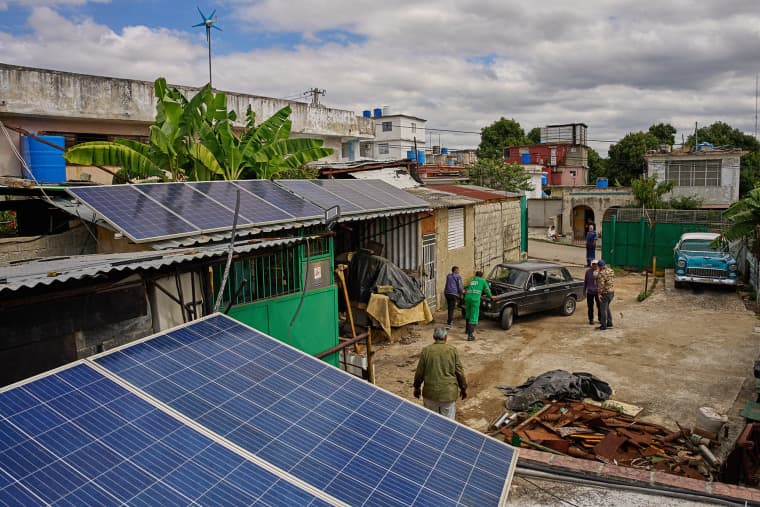
But Cuba’s underlying electricity system remains brittle. Recent coverage has described repeated nationwide and near-nationwide blackouts tied to aging power plants, years of underinvestment and reduced fuel imports. ABC News reported that about 80% of Cuba’s electricity is generated from natural gas plants, with roughly 20% coming from renewables, including growing solar output, while Venezuela has been providing about 20% of Cuba’s total energy imports. That leaves the island exposed whenever fuel shipments are delayed or generation fails.
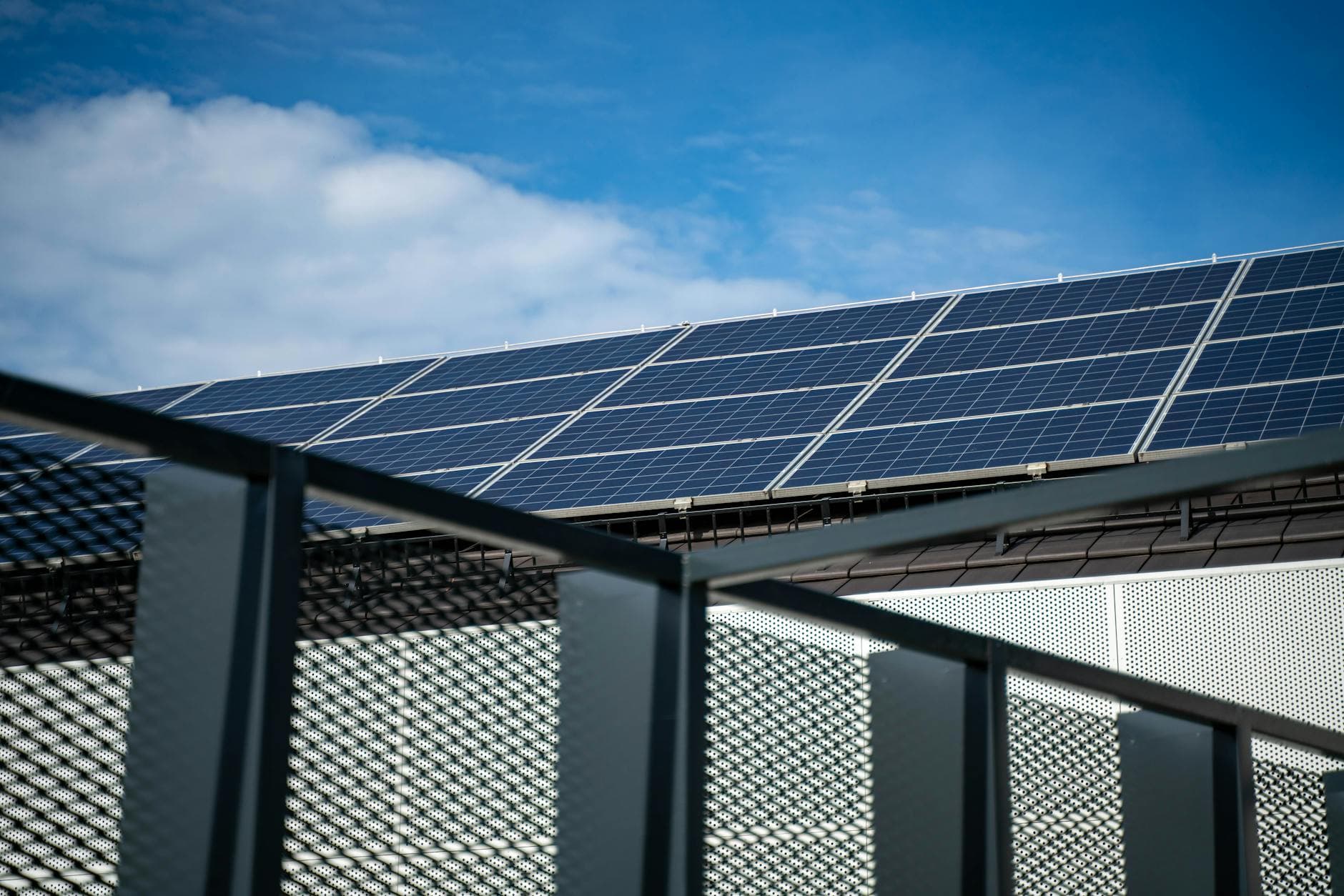
The broader trend is clear: Cubans are not waiting for the grid to recover. They are building a patchwork energy economy one panel, one sack of charcoal and one battery at a time, even as the cost of staying connected keeps rising.
This article was produced by Prism’s automated news system from verified source data, official records, and press releases, then run through automated quality and moderation checks before publishing. The system is built and supervised by the people who set the standards it runs under. Read our full AI policy.
Did this article answer your question?