Cuba's past battles shape a present crisis of prisons and shortages
Cuba’s prisons, shortages, and mass emigration are all tied to one unresolved fight: who gets to define the revolution’s meaning, and who pays for that silence.
Reckoning begins with the stories Cuba tells itself
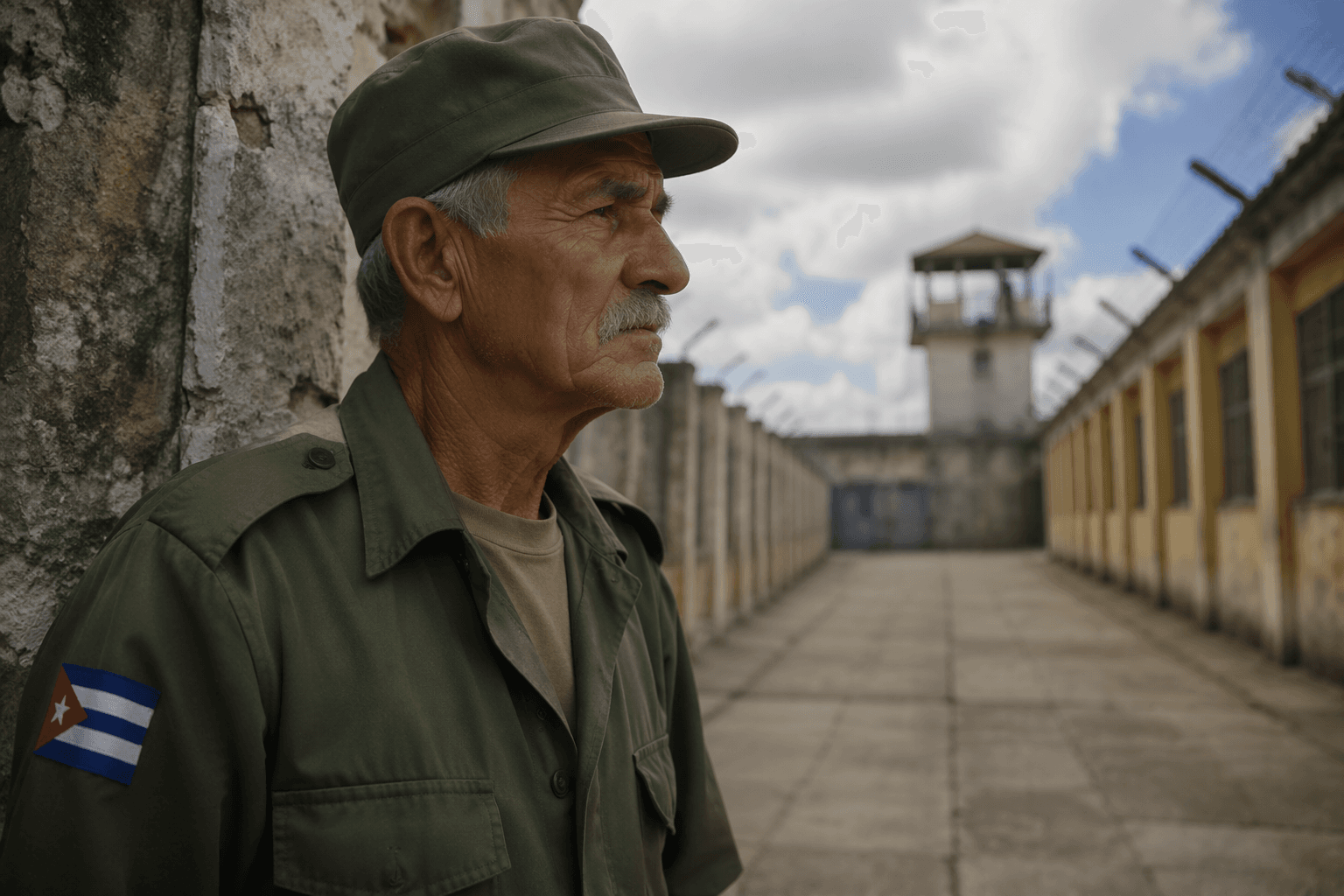
Cuba’s deepest crisis is not only material. It is also moral and political: a state built on the promise of liberation is now struggling to explain prisons, shortages, and a nationwide exodus without surrendering the revolutionary story that still anchors its legitimacy.
That tension matters because Cuba has never settled the meaning of January 1, 1959, when Fidel Castro’s forces overthrew Fulgencio Batista. Since then, the island has lived inside competing histories, one written by the state in Havana, another sustained in Miami’s exile communities, and a third carried by ordinary Cubans trying to survive the gap between official language and daily reality. Scholars of Cuban memory argue that these battles over the past have shaped Cuban politics itself, not just its culture.
Why the past still governs the present
The core problem is that the government’s historical narrative has been more than rhetoric. It has functioned as a source of authority, a way to present one-party rule as the natural continuation of a founding struggle. That makes memory a political instrument. If the revolution is always framed as unfinished and under siege, then dissent can be cast as betrayal, not as a demand for accountability.
Researchers including Antoni Kapcia and Michael J. Bustamante have described how the 1959 revolution produced rival national histories that have competed for coherence and dominance. In practice, that means the state has tried to institutionalize a single revolutionary story while exiles and dissidents build a counter-memory centered on repression, exile, and broken promises. The result is a country where legitimacy still turns on the past, even as the present breaks down.
Prisons reveal the cost of that narrative
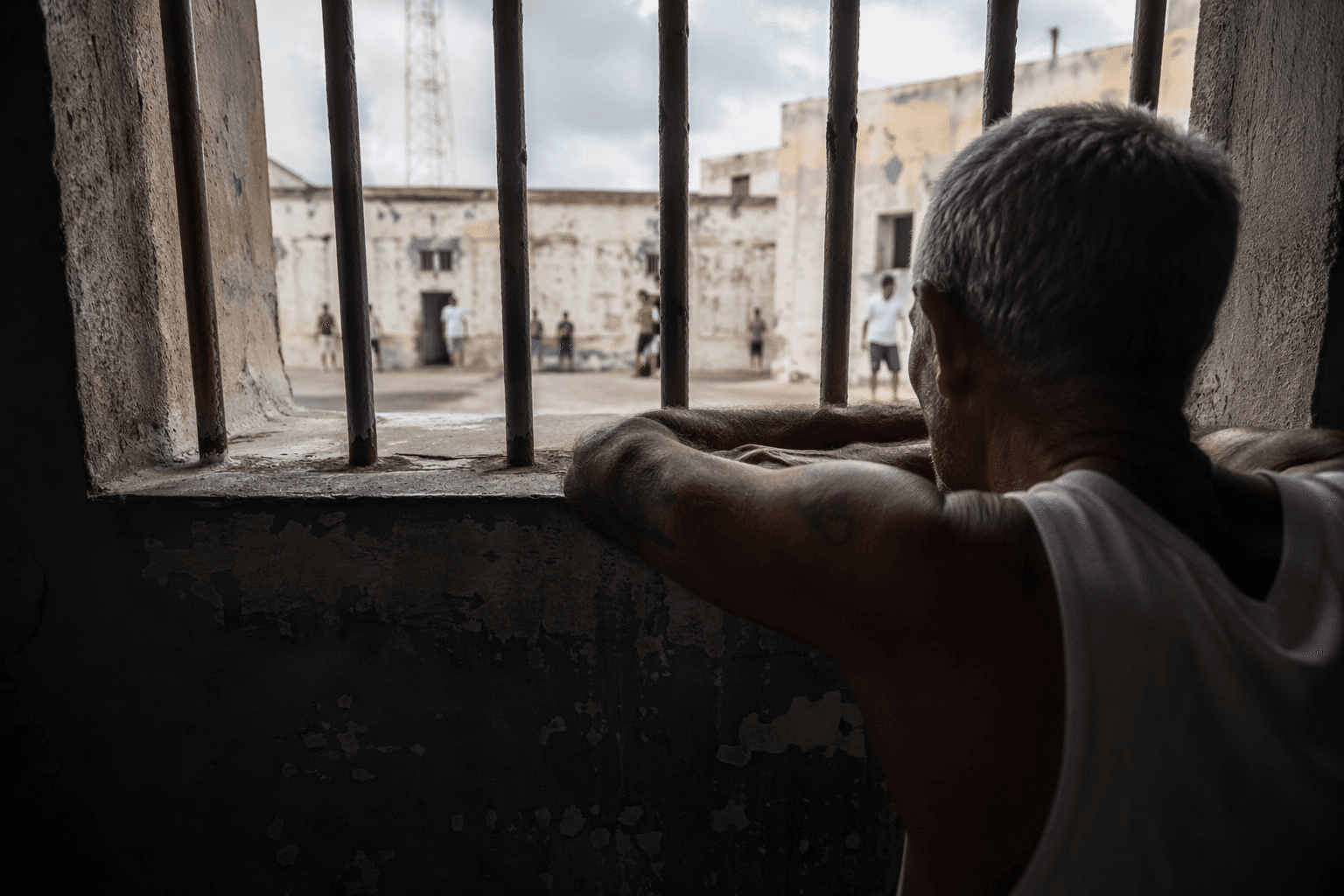
Nothing shows the gap between revolutionary myth and lived reality more sharply than Cuba’s prison system. Human Rights Watch reported in 2025 that rights groups said more than 650 protesters, including more than 40 women, remained behind bars after the July 2021 anti-government protests. Prisoners Defenders said the tally of political prisoners topped 1,000 in 2025, including 30 children.
Those numbers are not just evidence of repression. They are also evidence of a state that still treats political control as a security problem rather than a legitimacy problem. The U.S. Department of State’s 2024 human rights report cited arbitrary arrest and detention, torture or cruel, inhuman, or degrading treatment, censorship, and restrictions on free expression and media freedom. Amnesty International said Cubalex documented 39 prisoner deaths in Cuban prisons in 2025, a stark sign that the abuse is not episodic but systemic.
The January 2025 releases of some prisoners, brokered with Vatican involvement, briefly suggested the government might be trying to ease pressure. But rights groups and Reuters-linked reporting said the broader detention crackdown did not end. That matters because partial releases can lower international scrutiny without changing the structure that produced the arrests in the first place. They can also preserve the state’s claim that it is responsive while leaving the machinery of repression intact.
The economic breakdown is widening the legitimacy gap
Cuba’s economic crisis is making that political strategy harder to sustain. The economy ministry reported GDP contraction in 2024, while outside reporting in 2025 described chronic shortages, inflation, collapsing tourism, and growing dependence on hard-currency inflows. Those conditions are not abstract macroeconomic indicators. They shape access to food, medicine, fuel, transport, and the most basic expectation of stability.
The demographic picture is just as troubling. A formal population count had been delayed until at least 2025, amid concern that the country’s population is around 9.7 million or lower. Analysts say the current migration wave is the largest exodus since the 20th century. When people leave at that scale, they are not simply responding to wages or prices. They are voting against the future.
For a state that still draws authority from revolutionary continuity, this creates a dangerous contradiction. The old narrative depends on claims of sacrifice and collective purpose, yet the lived reality is scarcity, flight, and exhaustion. The more shortages deepen, the less persuasive it becomes to ask citizens to accept present hardship in the name of a historic triumph that no longer delivers security.
Who benefits from preserving the old story
Preserving revolutionary narratives can benefit several actors, but not equally. For the Cuban state under Miguel Díaz-Canel, the old story helps justify centralized control, deflect blame, and present repression as defense of sovereignty. It also shields institutions that would be vulnerable in a real reckoning, including the security services, the prison system, and the political organs that enforce orthodoxy.
The National Assembly of People’s Power also sits inside this system of managed legitimacy. If reform is ever to be more than cosmetic, it would need to confront the legal and political structures that keep accountability at arm’s length. So far, the state has preferred symbolic gestures and selective releases to transparent examination of detention, due process, and abuse.
There is another beneficiary too: exile politics. In Miami, a counter-narrative built around anti-Castro memory has long been a source of identity and influence. That history matters, but it can also harden into its own fixed mythology, one that leaves little room for a shared national reckoning. Cuba’s memory wars have therefore produced two entrenched stories, each with its own political uses, and neither fully equipped to solve the crisis now unfolding on the island.
What reckoning would actually require
A serious confrontation with Cuba’s past would have to move beyond slogans and anniversaries. It would mean treating memory as a governance issue, not a ceremonial one. It would also mean acknowledging that the unresolved trauma of July 2021 now sits alongside the founding trauma of 1959 as a force shaping the country’s future.
That would require at least four changes:
- Public recognition that political imprisonment is a legitimacy crisis, not just a law-enforcement issue.
- Transparent accounting for the scale of detention, including the more than 650 July 2021 protesters still reported in prison and the broader political-prisoner counts cited in 2025.
- Independent scrutiny of prison deaths, torture allegations, and arbitrary detention, including the cases documented by Cubalex and Amnesty International.
- Economic reform that is tied to accountability, because shortages, inflation, and mass emigration cannot be separated from political incentives that reward secrecy over correction.
The United Nations Working Group on Arbitrary Detention and other rights bodies have already put Cuba under sustained scrutiny. But external pressure alone will not resolve the contradiction at the heart of the Cuban state. The country’s future depends on whether its leaders, dissidents, and diaspora can stop living inside incompatible myths long enough to face the damage those myths have helped conceal.
Until that happens, Cuba will keep trying to govern the present with a story built for 1959, even as prisons fill, shelves empty, and citizens leave in the largest exodus in decades.
Know something we missed? Have a correction or additional information?
Submit a Tip