Cumberland County rabies clinics: who is eligible, what to bring
Free or low-cost rabies shots are available through county clinics — know whether you’re in Cumberland County, N.J. or Cumberland County, N.C., when clinics run, what to bring and who to call.
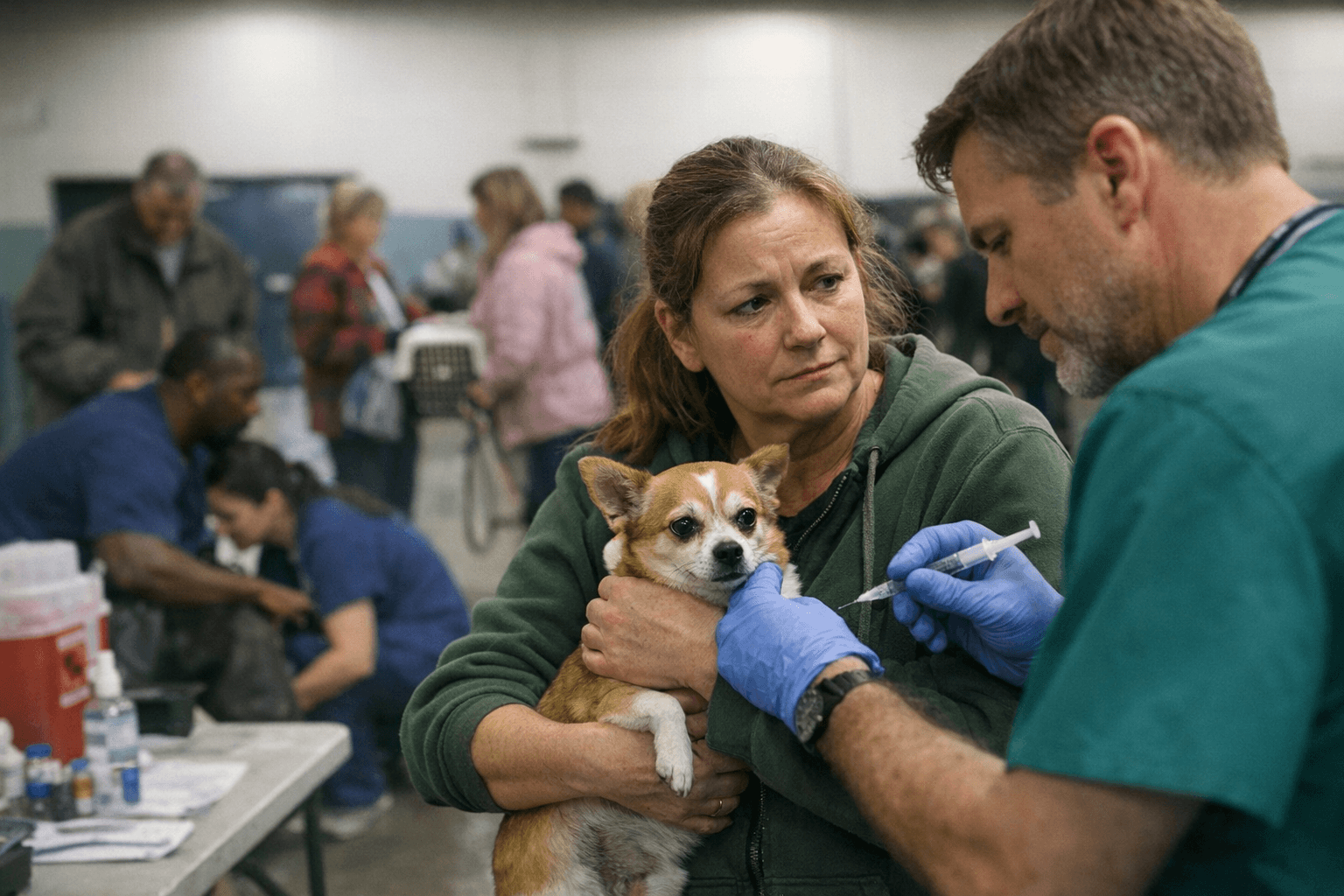
If you own a dog or cat in Cumberland County, the next rabies clinic could protect both your pet and your family — but the rules, schedule and costs differ depending on which Cumberland County you live in. The Cumberland County Health Department in New Jersey runs free, early‑spring Saturday clinics in partnership with the New Jersey Department of Health and local municipalities, while Cumberland County, North Carolina, offers spring and fall clinics through its Public Health Environmental Division and a weekday $5 option through Animal Services in Fayetteville. Read the short, concrete checklist below for the county that applies to you so you can show up prepared.
Cumberland County, N.J. — clinics, costs and the big local stakes
“In conjunction with the New Jersey Department of Health and the local municipalities, the Cumberland County Health Department offers free rabies vaccinations to the public.” Those clinics “are held on Saturdays in the early spring between February and April,” but dates and sites can change — “Check our main web page for the most up-to-date clinic schedule.” Because the county handles roughly “approximately 175 incidents where humans were potentially exposed to the rabies virus” each year, these free clinics are a core public‑health measure to reduce animal and human risk across Vineland, Millville, Bridgeton and other municipalities.
What to bring: the county’s posted guidance emphasizes preparedness. Bring your pet in a secure carrier or on a leash, and plan for a short wait; if the clinic requires proof of residency or pre‑registration the Health Department’s main web page will show that. If you’re unsure whether your pet’s vaccine history is up to date, bring any veterinary records you have so staff can determine whether a booster is needed.
If you’re bitten or otherwise potentially exposed: the county spells out a clear process. “Once the Health Department is notified we reach out to the animal’s owner to see if the animal has received a rabies vaccination in the past. If no owner can be identified, we notify the local animal control officer. Once we have the animal’s vaccination history, we can notify the injured or affected person so that they can consult with their physician for the proper course of treatment. If no vaccination history is available, the animal is quarantined for a period for observation.” Follow the county’s instructions and seek medical attention promptly if your physician recommends post‑exposure prophylaxis.
Other county responsibilities: the Health Department inspects commercial animal facilities using state rules — it “uses N.J.S.A. 4:19-15.2A N.J.A.C. 8:23A-1, the Regulations for the Sanitary Operations of Kennels, Pet Shops, Shelters and Pounds” for sanitary standards. For kennel or shelter concerns, call the Health Department inspections line at 856-327-7602.
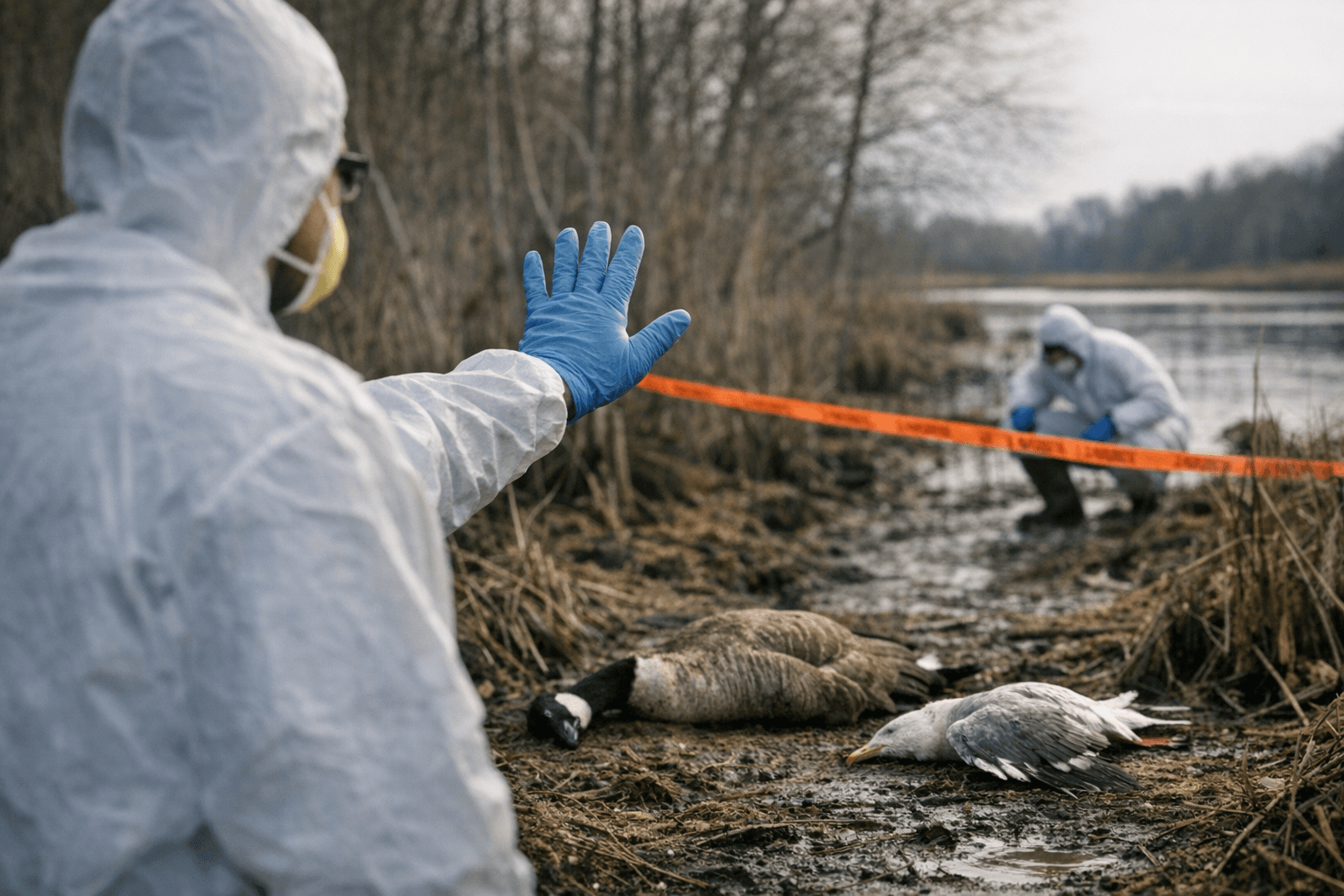
Unusual wildlife or mass die-offs are handled by a different authority: “The Cumberland County Health Department is not the lead agency for unusual wildlife activity or death though we do occasionally become involved in the investigation through one of our other programs. If you see a wildlife animal acting unusual or a large number of wildlife animals dead in one area, we recommend that you contact the New Jersey Department of Fish & Wildlife at 1-877-927-6337.”
Practical note: because the Health Department’s clinic schedule and contact details are maintained on its main web page, double‑check that page before you set out — details can change from year to year.
Cumberland County, N.C. — schedules, fees and where to go in Fayetteville
Cumberland County, North Carolina, organizes rabies vaccination opportunities via two channels. “The Department of Public Health's Environmental Division holds Rabies Vaccination Clinics in the spring and fall,” and Cumberland County Animal Services in Fayetteville “offers 1 year rabies vaccinations on Wednesdays from 2 - 4 p.m.” The Animal Services option is explicit about cost: “Fee: $5 per Dog or Cat.”
What to bring and who can vaccinate: the county page states that “To remain properly immunized, a dog or cat must receive two rabies vaccinations one year apart, then one vaccination every three years thereafter.” It also notes that “Rabies vaccinations can only be given by a licensed veterinarian, licensed veterinary technician or a certified rabies vaccinator at an animal shelter.” If you plan to use the Wednesday Animal Services clinic, bring your pet to 4704 Corporation Drive in Fayetteville during the 2–4 p.m. window, and expect to pay the $5 fee per animal. If you rely on the Environmental Division spring or fall clinics, confirm whether there is a fee and whether those clinics accept walk‑ins or require appointments.
Contacts and the local face: for Animal Services the county provides a direct phone number — “Phone: 910-321-6852” — and lists the office address as “4704 Corporation Drive Fayetteville, NC 28306.” The page names the department director as “Director: Diane Pfeifer.” Because the page footer reads “©2021 Cumberland County, North Carolina,” verify current hours, fees and any appointment procedures by calling 910-321-6852 before you go.
If your pet’s vaccination history is unclear — immediate steps
When vaccination history is unknown and exposure is possible, the county procedures emphasize both human health and animal observation. Follow these sequential steps:
1. Notify the Health Department or Animal Services as appropriate and, if you were bitten, consult your physician about post‑exposure treatment.
2. Allow public‑health staff to trace the animal’s owner or notify local animal control; if no vaccination history is found, the animal “is quarantined for a period for observation.”
3. Keep records and follow the quarantine directions — quarantine lengths are set by public‑health policy and may vary, so confirm the specific period with county officials.
The New Jersey excerpt presents that sequence in the county’s own language; it’s the same public‑health logic that protects neighbors and prevents costly human post‑exposure treatment when vaccination documentation is available.
- Proof of ownership or veterinary records if available — these can remove the need for observation or extra doses.
- A secure carrier for cats or a sturdy leash and muzzle for nervous dogs — clinics are busy and staff need safe handling conditions.
- Identification and cash/card if you’re in Cumberland County, N.C., and visiting Animal Services for the $5 vaccine.
- A record of your pet’s last rabies shot date if you have it; the NC guidance explains the booster timeline you should follow.
What to bring to a clinic — an explicit checklist
Legal and regulatory context you should know
In New Jersey the Health Department enforces sanitary operations at facilities under “N.J.S.A. 4:19-15.2A N.J.A.C. 8:23A-1, the Regulations for the Sanitary Operations of Kennels, Pet Shops, Shelters and Pounds.” In North Carolina, only licensed veterinarians, licensed veterinary technicians or certified rabies vaccinators at shelters may administer rabies vaccines — a safeguard that ensures the vaccine is stored and given correctly.
Final point — act now to avoid a scramble
Whether you live in Bridgeton, Millville or Vineland, or in Fayetteville or another town in Cumberland County, check the county agency that applies to you and lock the clinic date into your calendar now. Free early‑spring Saturday clinics in Cumberland County, N.J., and the spring/fall and Wednesday options in Cumberland County, N.C., are designed to prevent the roughly 175 human‑exposure incidents recorded annually in New Jersey and to keep communities safer — confirming the schedule and bringing vaccine records will make the visit fast and effective.
Know something we missed? Have a correction or additional information?
Submit a Tip