Curiosity rover spots mysterious honeycomb-like rock pattern on Mars
Curiosity found a honeycomb-like boxwork pattern on Mount Sharp, and NASA says the odd ridges may record groundwater that moved through Mars later than expected.
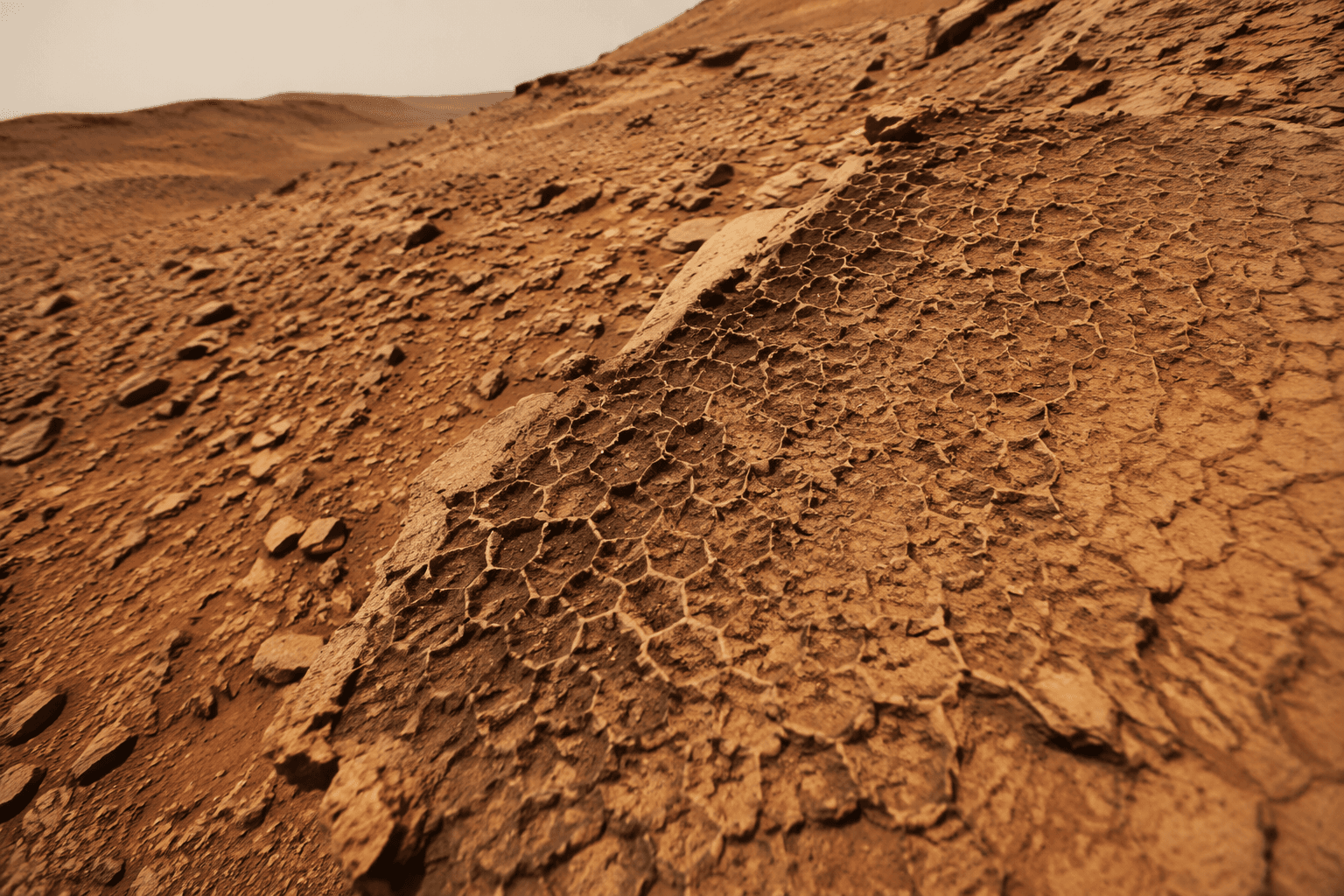
Curiosity captured a honeycomb-like rock pattern on May 1, 2025, while working through a boxwork region on Mount Sharp inside Gale Crater. NASA says the rover’s Front Hazard Avoidance Camera recorded well-preserved polygonal fractures that resemble waffles or honeycombs, a texture that has drawn close attention because it may preserve a rare chapter of Mars’ water history.
The feature sits within boxwork terrain, a landscape of low ridges and sandy hollows that NASA says stands about 3 to 6 feet, or 1 to 2 meters, tall. Curiosity has spent about six months exploring the area, and NASA says the pattern has not been spotted anywhere else on Mount Sharp, either by the rover itself or by orbiters overhead. That scarcity makes the formation especially valuable to geologists: it is not just strange, it is isolated enough to sharpen the questions scientists can ask about how it formed.
NASA’s current working view is that the ridges may point to ancient groundwater moving through this part of Mars later than scientists expected. That is a meaningful clue in a place where Curiosity’s broader mission is to determine whether Mars ever had conditions suitable for microbes. The rover also drilled a sample from the new region, because the rocks could help show whether Mars’ subsurface once provided an environment where life-supporting chemistry could have existed.
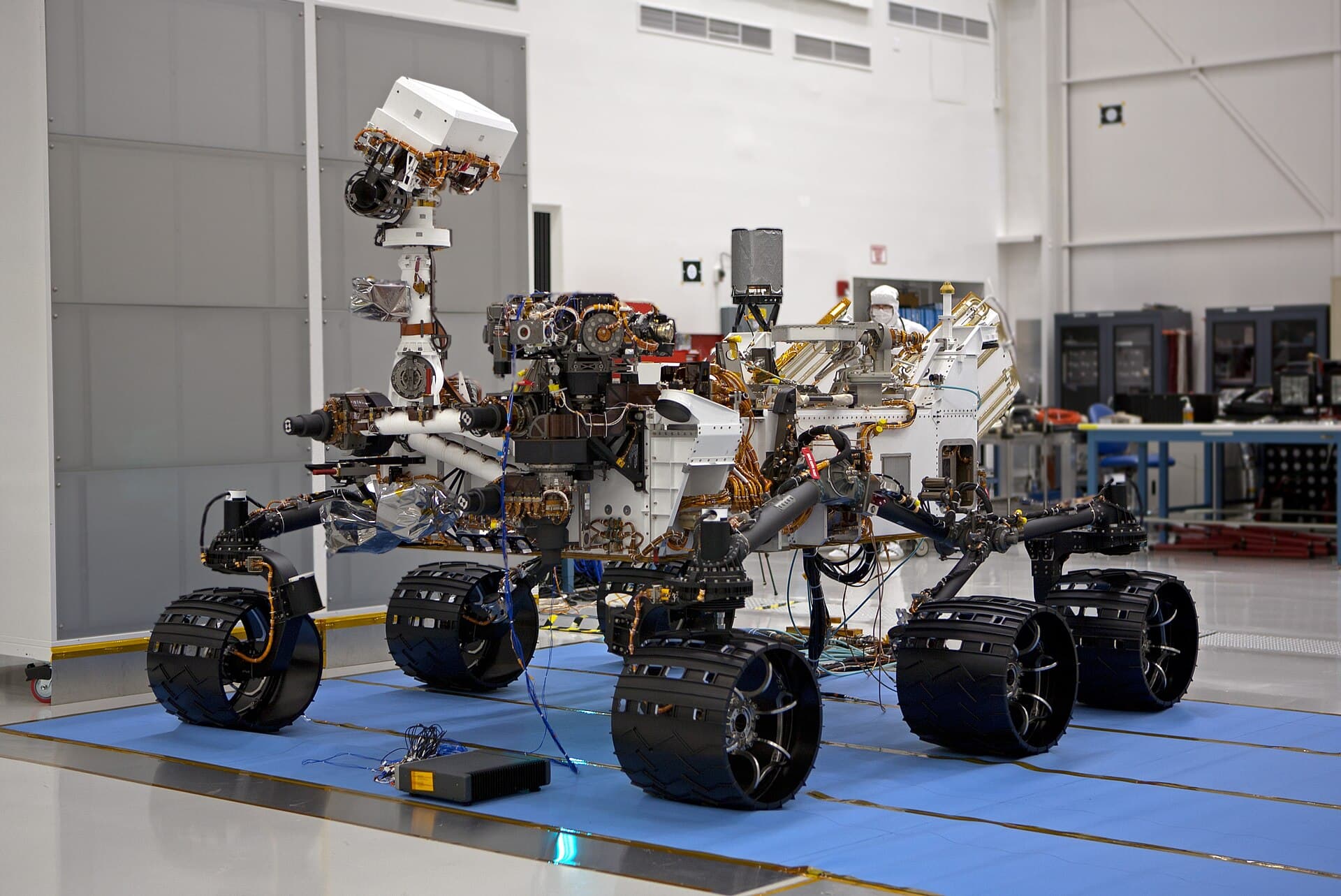
The timing matters because Curiosity has been climbing Mount Sharp since 2014, methodically moving through layers that record changing environmental conditions on the 3-mile, or 5-kilometer, mountain. NASA launched the rover in 2011 and described it at the time as the largest and most capable rover ever sent to Mars. It landed in Gale Crater on the evening of August 5, 2012, Pacific time, and the morning of August 6, 2012, Eastern time.
NASA also released a 360-degree panorama of the boxwork formations taken between November 9 and December 7, 2025. At 1.5 billion pixels, it was described as one of Curiosity’s largest panoramas ever, giving scientists a wider view of the strange terrain and the long, careful work now under way to separate an intriguing pattern from a solid geologic explanation.
This article was produced by Prism’s automated news system from verified source data, official records, and press releases, then run through automated quality and moderation checks before publishing. The system is built and supervised by the people who set the standards it runs under. Read our full AI policy.
Did this article answer your question?