Customs says Trump tariff refunds could begin as soon as May 12
Importers could see the first electronic tariff refunds on May 12, a key step in a $166 billion repayment process tied to duties the Supreme Court struck down.

U.S. Customs and Border Protection said the first money back from Donald Trump’s tariff regime could begin flowing as soon as May 12, putting importers one step closer to recovery on a refund pool estimated at about $166 billion. The timing matters because the agency is moving from collection to repayment on a scale that reaches more than 330,000 importers and more than 53 million entries, a sweep that could affect cash flow, pricing and margins across the import economy.
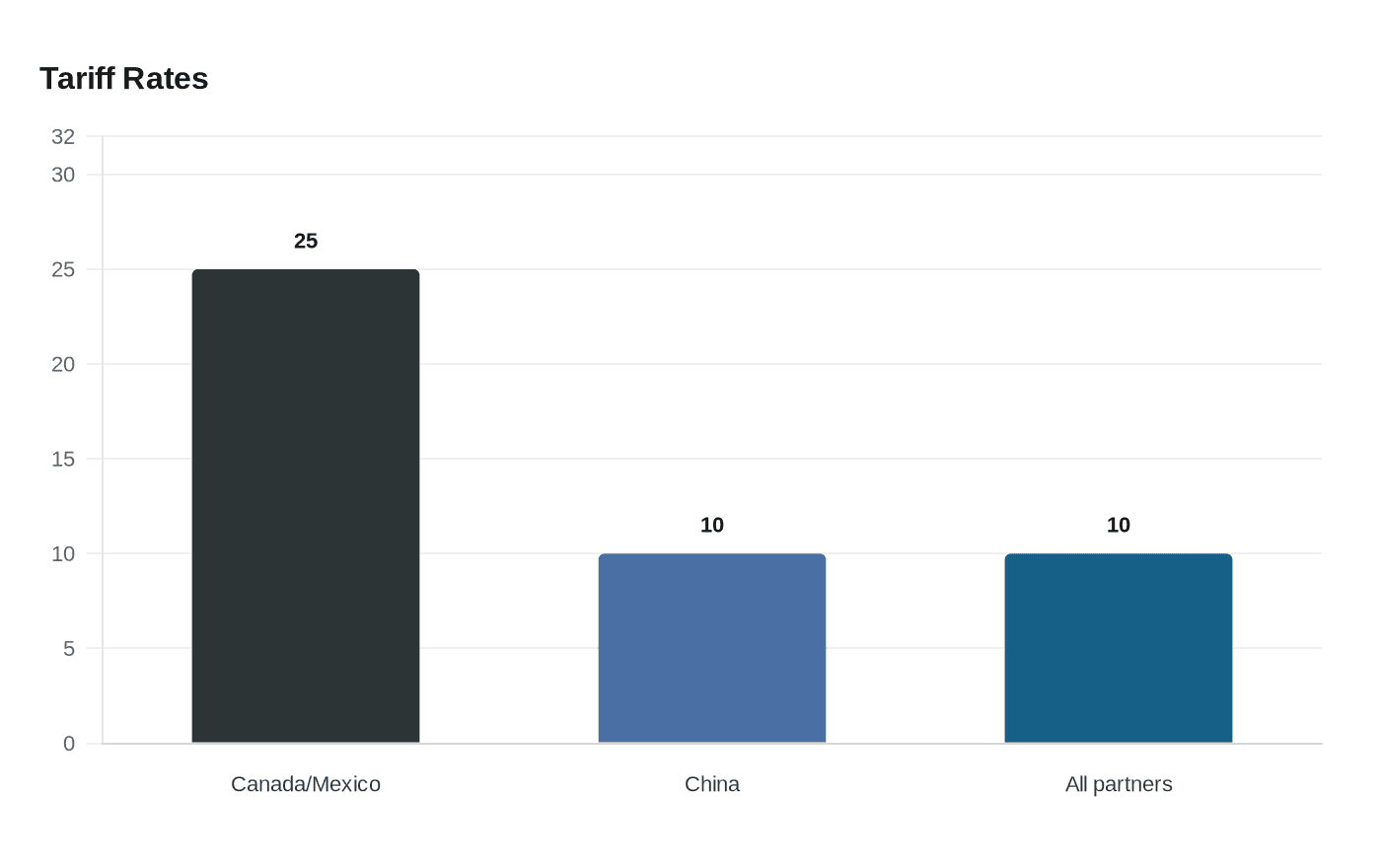
The refunds stem from tariffs the Supreme Court ruled illegal on February 20, 2026, in Learning Resources, Inc. v. Trump and Trump v. V.O.S. Selections, Inc. In a 6-3 decision, the court held that the International Emergency Economic Powers Act does not authorize the president to impose tariffs. The duties at issue included a 25% levy on most Canadian and Mexican imports, a 10% duty on most Chinese imports and at least a 10% tariff on imports from all trading partners. For companies that paid those duties, the legal ruling was only the first milestone. The repayment machinery is now what determines how quickly cash returns.
CBP had previously pointed to around May 11 for the first electronic refunds, but its latest estimate pushed that date back by a day. The agency sent shippers a message describing status reports claimants can use to follow their refunds through the system, a sign that even the first payments will move through a tightly managed process rather than a simple across-the-board reimbursement. The Treasury Department will handle the actual payments.
The backbone of the effort is CAPE, the Consolidated Administration and Processing of Entries system inside the Automated Commercial Environment. CBP said CAPE is designed to consolidate IEEPA duty refunds, including interest, instead of processing each entry separately. The first phase launched on April 20 and is limited to certain unliquidated entries and certain entries within 80 days of liquidation. Importers of record and authorized customs brokers must use an ACE Secure Data Portal account and submit CAPE Declarations in CSV format, with each declaration able to include up to 9,999 entries.
The scale of the operation helps explain the caution. On March 4, the Court of International Trade ordered CBP to liquidate unliquidated entries and reliquidate nonfinal liquidated entries without regard to the duties. CBP later said CAPE was built to handle the “unprecedented volume and value” of refunds. That burden is already showing up in the rollout. By late April, CBP had accepted about 21% of refund requests, and about 3% were already in the refund stage. For importers waiting on repayment, the May 12 estimate is not just a date on a calendar. It is the first test of whether Washington can unwind one of the largest unlawful tariff collections in recent memory without letting the money disappear into bureaucracy.
This article was produced by Prism’s automated news system from verified source data, official records, and press releases, then run through automated quality and moderation checks before publishing. The system is built and supervised by the people who set the standards it runs under. Read our full AI policy.
Did this article answer your question?
%3Amax_bytes(150000)%3Astrip_icc()%2FCertificate-of-deposit-2301f2164ceb4e91b100cb92aa6f868a.jpg&w=1920&q=75)