ECB warns euro-zone governments against easing bank capital rules
Claudia Buch warned that looser capital rules would not revive lending, but could instead lift bank payouts as weak demand and geopolitical risks keep credit subdued.
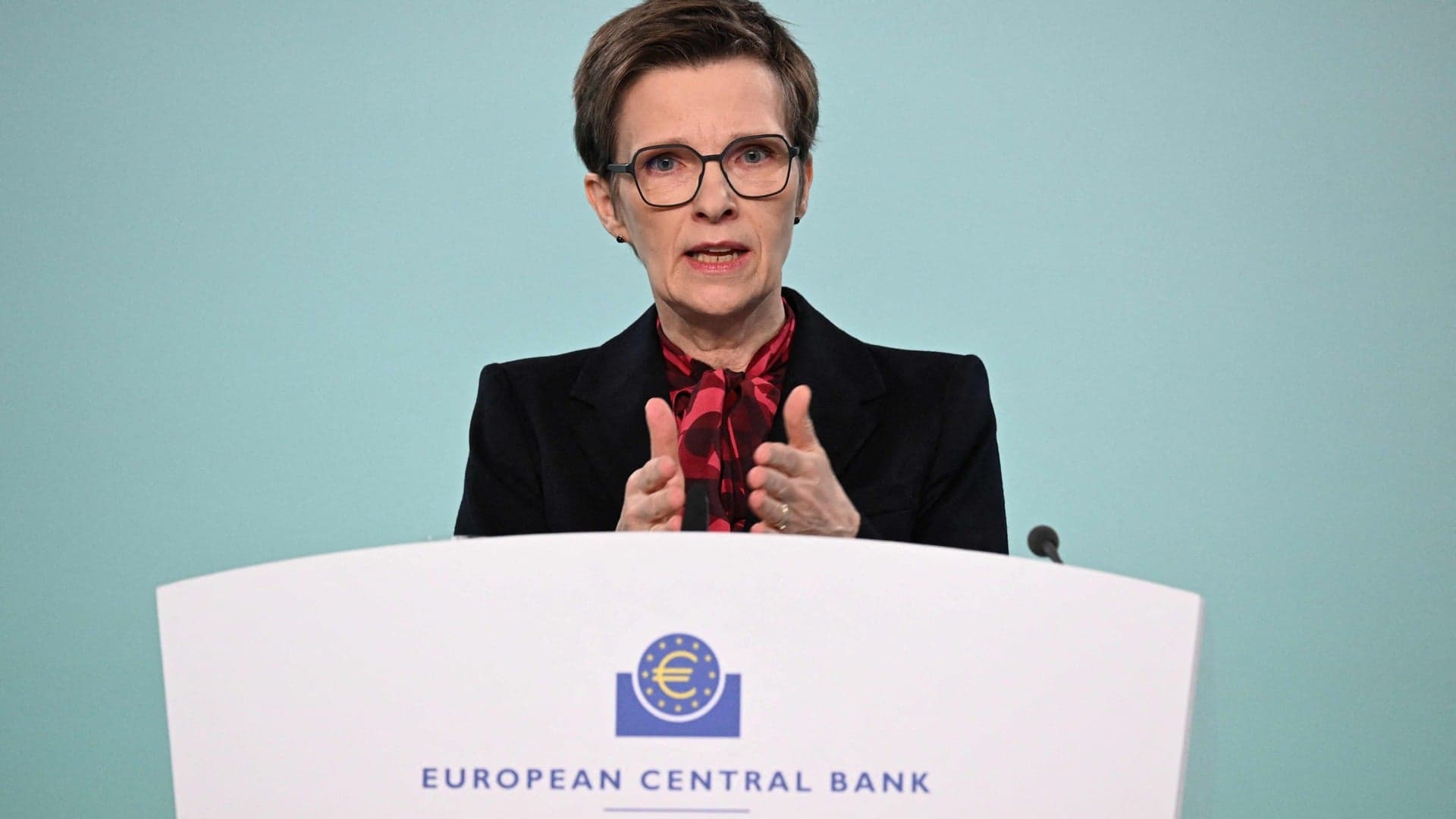
Europe’s top banking supervisor told euro-zone finance ministers not to relax bank capital requirements, arguing that weaker rules would do little to expand lending at a moment when firms and households are still reluctant to borrow.
Claudia Buch said banks already have enough capital to lend, but credit growth is being held back by weak demand and an environment crowded with risks. She pointed to the war in the Middle East, private-market stress and cyberattacks as reasons not to weaken the buffers banks built after years of reform and post-crisis repair.

The warning goes to the heart of a wider political fight in Europe. Governments want faster growth, more credit and a banking system that can support companies competing with U.S. rivals. The ECB’s view is that capital rules are not the bottleneck. If policymakers ease them now, banks may simply use the extra headroom to raise dividends and buybacks rather than increase loans to households and businesses.

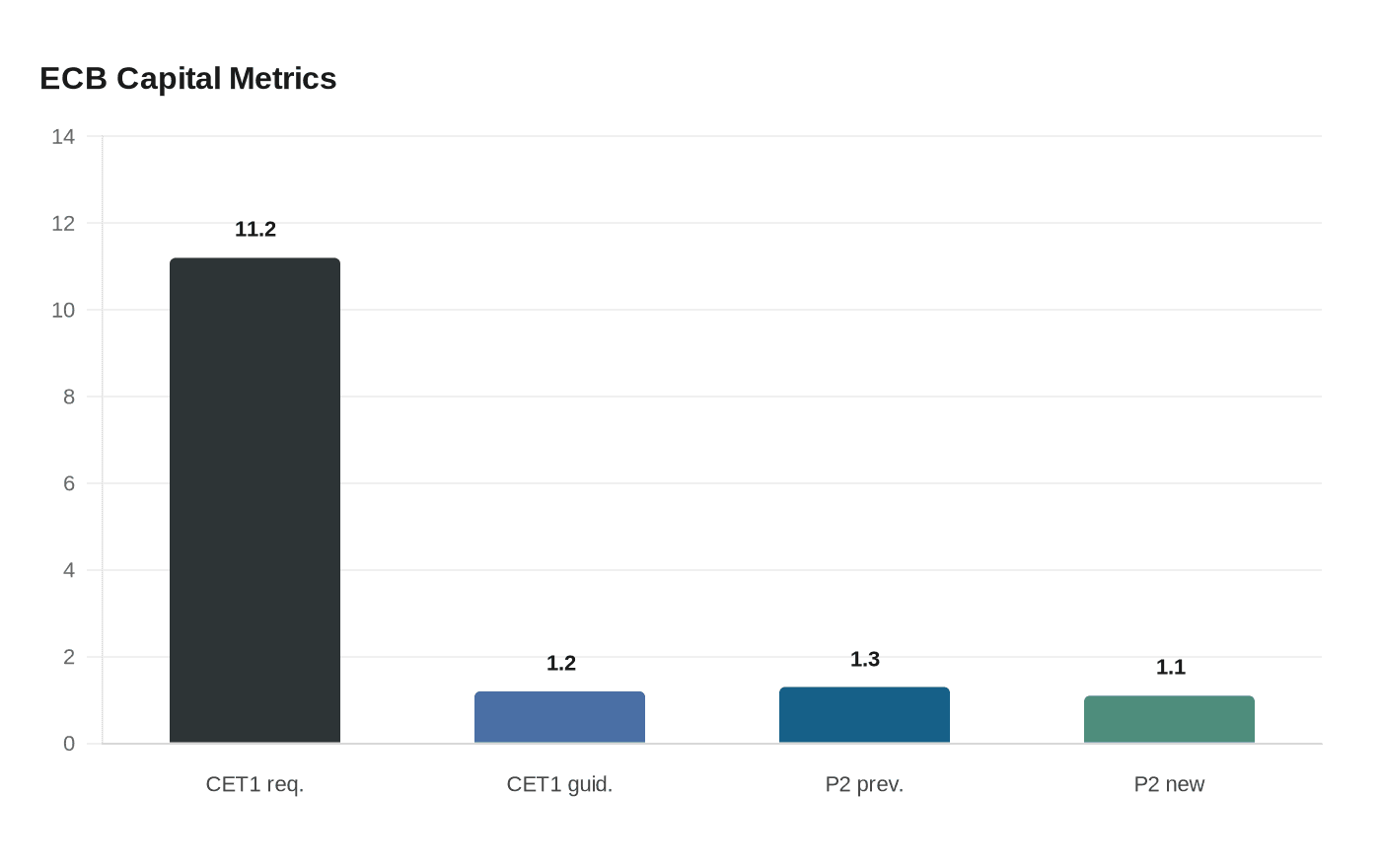
That caution fits the ECB’s own supervisory stance. In its 2025 SREP results, published on November 18, 2025, the central bank said the overall CET1 capital requirement and guidance for 2026 remained broadly stable at 11.2% and 1.2%, while non-binding Pillar 2 guidance fell from 1.3% to 1.1%. The assessment covered 105 directly supervised banks, a signal that regulators judged the sector to have strong capital and liquidity positions rather than needing a broad easing of the rulebook.
Buch has also argued that Europe’s banking problem is less about loosening safeguards than about finishing integration. She has said cross-border mergers remain relatively rare, with about 75% of banks’ lending portfolios still invested in home markets, and that limited transferability of past contributions to deposit guarantee schemes can discourage deals across borders. That is why she has pressed for a common deposit guarantee system, fewer regulatory barriers to cross-border activity and a supervisory approach that treats domestic and cross-border mergers alike.

The fight has become sharper as UniCredit pursues a takeover of Germany’s Commerzbank, despite opposition in Berlin. EU lawmakers are also reviewing ways to make euro-zone banks more competitive, while the European Parliament has argued that the bloc should complete banking union and simplify capital and other loss-absorbency requirements. The European Commission has promised a report on banking in 2026.
The ECB’s 2026-28 supervisory priorities, focused on geopolitical risks, macro-financial uncertainty, operational resilience and IT capabilities, suggest Buch is not preparing for broad deregulation. In an economy still shaped by banking stress and cautious lending, the central bank is defending capital strength as a prerequisite for stability, not an obstacle to growth.
This article was produced by Prism’s automated news system from verified source data, official records, and press releases, then run through automated quality and moderation checks before publishing. The system is built and supervised by the people who set the standards it runs under. Read our full AI policy.
Did this article answer your question?
%3Amax_bytes(150000)%3Astrip_icc()%2FCertificate-of-deposit-2301f2164ceb4e91b100cb92aa6f868a.jpg&w=1920&q=75)