CVS Health Reaches Proposed Settlement With FTC Over Insulin Pricing
CVS Health's Caremark unit settled FTC insulin pricing allegations modeled on Cigna's deal, with the FTC projecting up to $7 billion in patient savings over 10 years.
CVS Health announced Monday it had reached a proposed settlement with the Federal Trade Commission over allegations that its pharmacy benefit management unit, Caremark, artificially inflated the price of insulin and unfairly blocked patients from accessing cheaper alternatives, resolving one of the most consequential regulatory actions against the U.S. drug pricing system in years.
The FTC said the settlement will save Americans up to $7 billion in out-of-pocket costs over 10 years. CVS said final terms were still pending and would be confirmed once the settlement was officially finalized, with the process expected to conclude in the coming weeks.
A source familiar with the terms said CVS's deal was modeled on a deal the FTC struck with rival pharmacy benefit manager Express Scripts, which is owned by Cigna. That agreement was finalized about two weeks after it was proposed, and the source said CVS's settlement could take effect even sooner.
The cases stem from a complaint the FTC filed in September 2024 against CVS Caremark, Express Scripts, and UnitedHealth's Optum Rx. The agency alleged they deliberately excluded lower-cost insulin to favor higher-rebate, high-price products on lists of drugs covered by insurers. The three companies are known in the industry as the "Big Three," and together pharmacy benefit managers, which set how drugs are covered by health insurance, have faced a decade of scrutiny from regulators and lawmakers over pricing practices.
The FTC's core objection centers on how rebate arrangements distort incentives. Cigna's settlement required changes to rebate pricing practices, under which drugmakers provide discounts to PBMs after a medicine is dispensed, with regulators arguing such arrangements can encourage higher list prices and create incentives to favor more expensive drugs because they generate larger rebates. The agreement also required greater transparency and a move toward a fee-based compensation model, with potential penalties or further regulatory action if the terms were violated.
Express Scripts' settlement carried additional structural requirements. The FTC reached a proposed settlement with CVS Caremark over allegations the company artificially inflated the price of insulin and impeded access to the lifesaving diabetes treatment, according to a document filed on the agency website. Under Express Scripts' earlier deal, the company agreed to work more closely with local pharmacies, provide employers with annual disclosures about drug costs, and relocate its rebate-collecting subsidiary, Ascent Health Services, from Switzerland to the United States. Express Scripts also committed to including the direct-to-consumer TrumpRx platform in its standard formulary offerings.
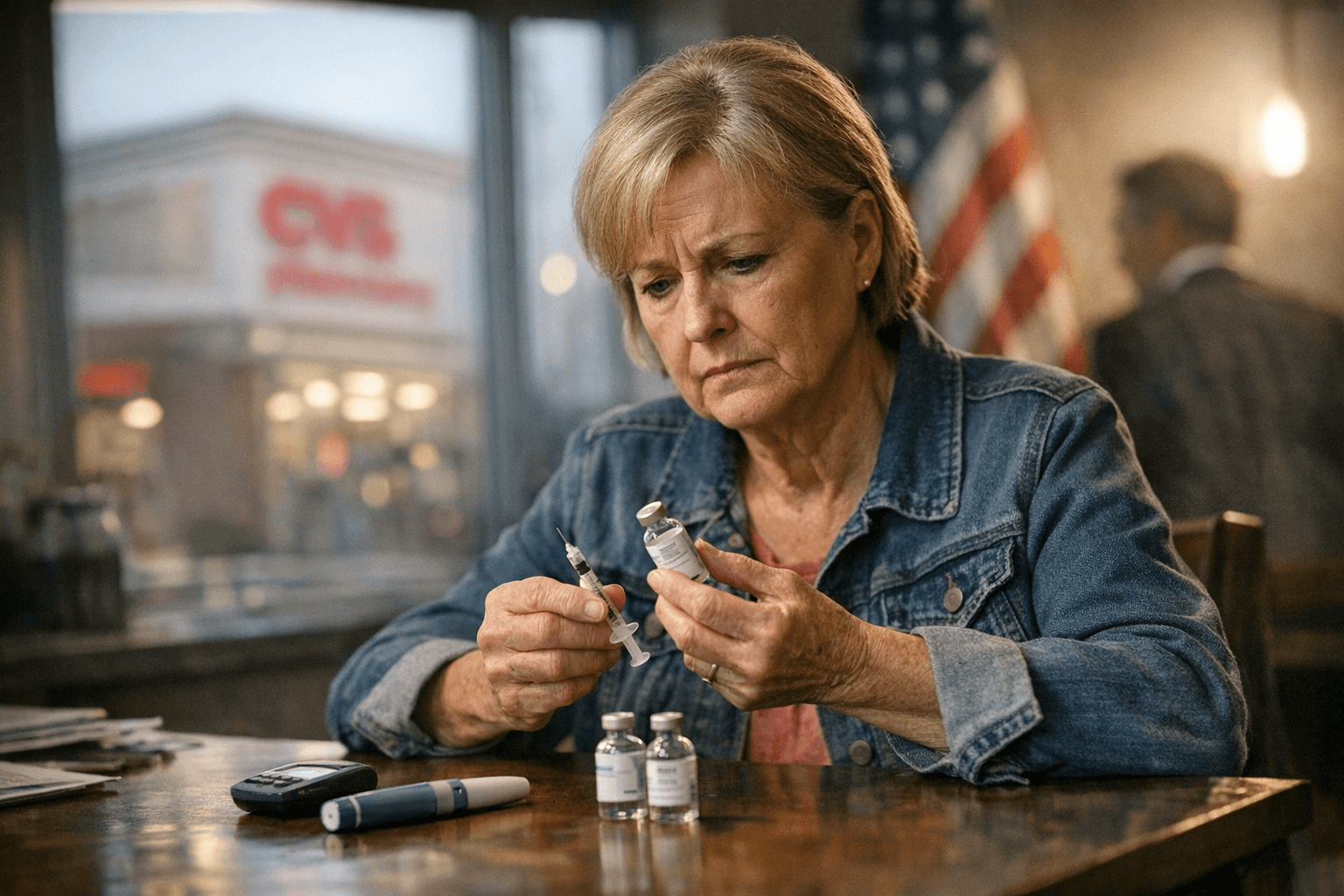
The CVS announcement followed a March 5 court filing in which the FTC disclosed it was making "significant progress" in talks with both Caremark and UnitedHealth Group's Optum Rx, and pushed back a scheduled evidentiary hearing by 21 days to allow more negotiation time. Before that filing, CVS had described itself as "engaged in good-faith negotiations with the FTC, aimed at avoiding any prolonged litigation so that CVS Caremark can keep its focus on what it does best: making prescription drugs more affordable for Americans."
Wall Street's reaction suggested investors viewed the settlement as a manageable outcome. Shares of CVS Health rose 1.05% in afternoon trading. Leerink said the report that CVS Health had likely reached a proposed settlement with the FTC was not a "major surprise," but added that completing any settlement was an incremental positive as it removed an "air of uncertainty" from a pharmacy benefit management business that has had numerous recent overhangs.
Lisa Gill, an analyst at J.P. Morgan, echoed that measured view. "We broadly view these as manageable and, importantly, not larger in scope than the changes CVS was already implementing to address regulatory concerns and de-risk its PBM business," said Gill, adding the changes will remove regulatory risks for the company.
With Express Scripts already bound by its February consent order and CVS now in the settlement pipeline, the FTC's 2024 insulin pricing case has produced two resolutions within months. UnitedHealth Group's Optum Rx, the third member of the "Big Three," remains in active negotiations with the agency.
This article was produced by Prism’s automated news system from verified source data, official records, and press releases, then run through automated quality and moderation checks before publishing. The system is built and supervised by the people who set the standards it runs under. Read our full AI policy.
Did this article answer your question?

