Czech government bars President Pavel from NATO summit delegation
Prague’s move to keep Petr Pavel off the NATO summit delegation has turned a summit dispute into a test of who speaks for Czechia abroad.

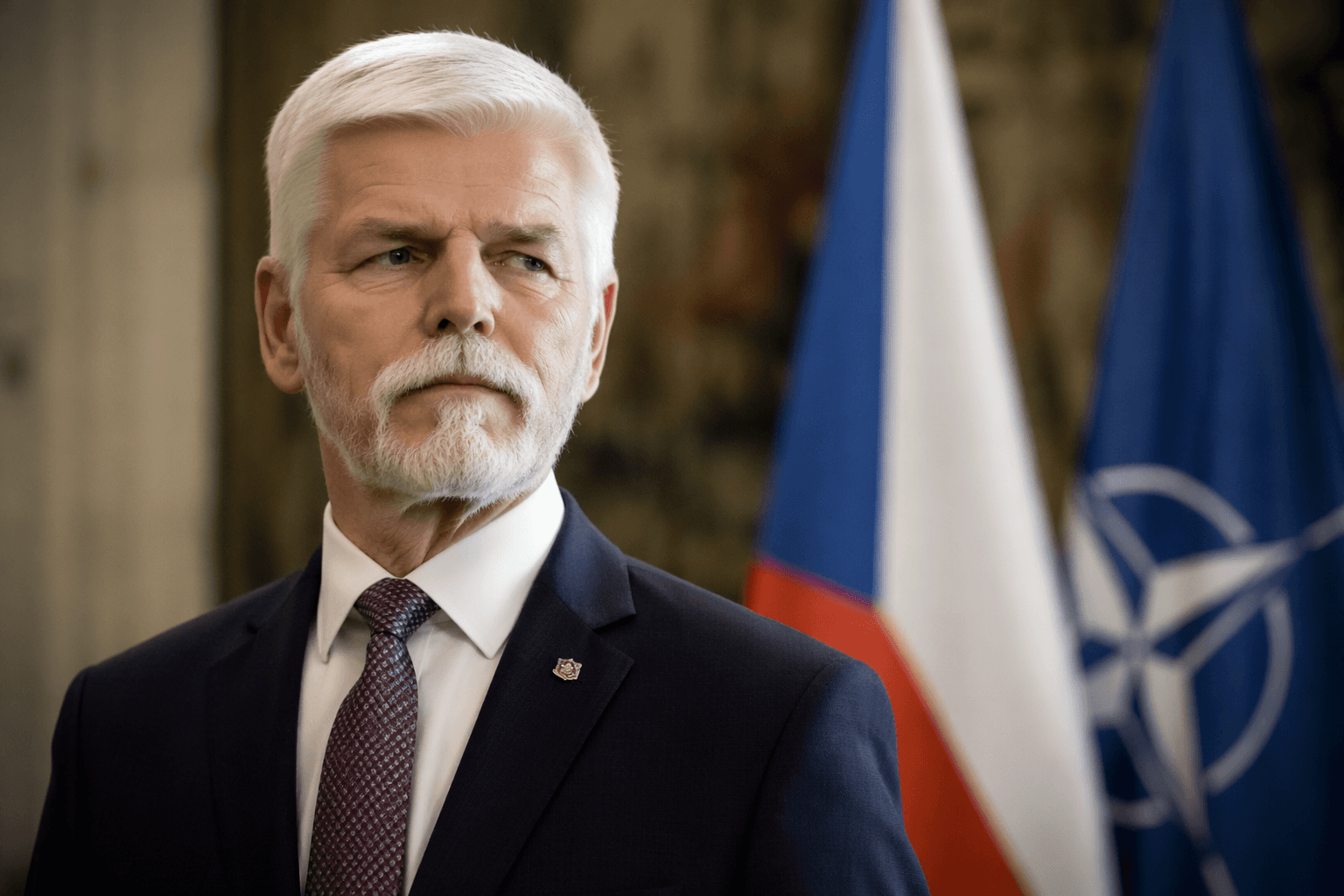
Prague’s decision to exclude President Petr Pavel from the Czech delegation to next month’s NATO summit has pushed an already strained relationship between the presidency and Andrej Babis’s government into constitutional territory. The fight is about more than protocol: it touches foreign-policy authority, defense spending, and how Czechia wants to present itself to allies as NATO unity comes under pressure.
The government said Pavel would not travel with the official delegation to the July 7-8 summit in Ankara, breaking with a practice that has largely held since Czechia joined NATO in 1999. Czech Radio said the cabinet wants the country represented by Babis, Defence Minister Jaromír Zůna, and Foreign Minister Petr Macinka, a lineup that would keep the government speaking with one voice on the alliance’s central debates.
Babis has argued that the cabinet must defend its positions, including low defense spending, and that the summit is a particularly sensitive one for Czechia. He said the country would probably miss NATO’s 2% defense-spending floor again this year, even after the government cut the defense budget below originally proposed levels and pledged to reach the target only from 2027.
Pavel has made clear he does not accept being sidelined. A former senior NATO official who led the Czech army and served as head of NATO’s Military Committee from 2015 to 2018, he has said exclusion from the summit would amount to clipping his authority to represent the country abroad. He has also said he would take the dispute to the Czech Constitutional Court if necessary, turning a delegation row into a test of where the constitution draws the line between presidential prestige and cabinet control.
The stakes are amplified by Czechia’s broader political split. Pavel has been a strong supporter of Ukraine, while Babis’s government has scaled back support, and the junior eurosceptic Motorists Party has already created friction between the two camps. That divide now overlaps with NATO policy at a moment when allies are debating higher defense commitments and watching whether members that miss the 2% benchmark face any real consequences.
What had long looked like a ceremonial custom is now a question of power. If the government succeeds in keeping Pavel out of Ankara, the result could mark more than one bitter feud with a president from outside the cabinet. It could signal a harder, more centralized model of foreign-policy control in Prague, just as NATO is asking members to show discipline on defense and unity on security.
This article was produced by Prism’s automated news system from verified source data, official records, and press releases, then run through automated quality and moderation checks before publishing. The system is built and supervised by the people who set the standards it runs under. Read our full AI policy.
Did this article answer your question?