Spain conservationists tag 600 flamingo chicks to track survival
Hundreds of volunteers ringed 600 greater flamingo chicks at Fuente de Piedra, giving scientists a new read on survival in a drought-hit lagoon.
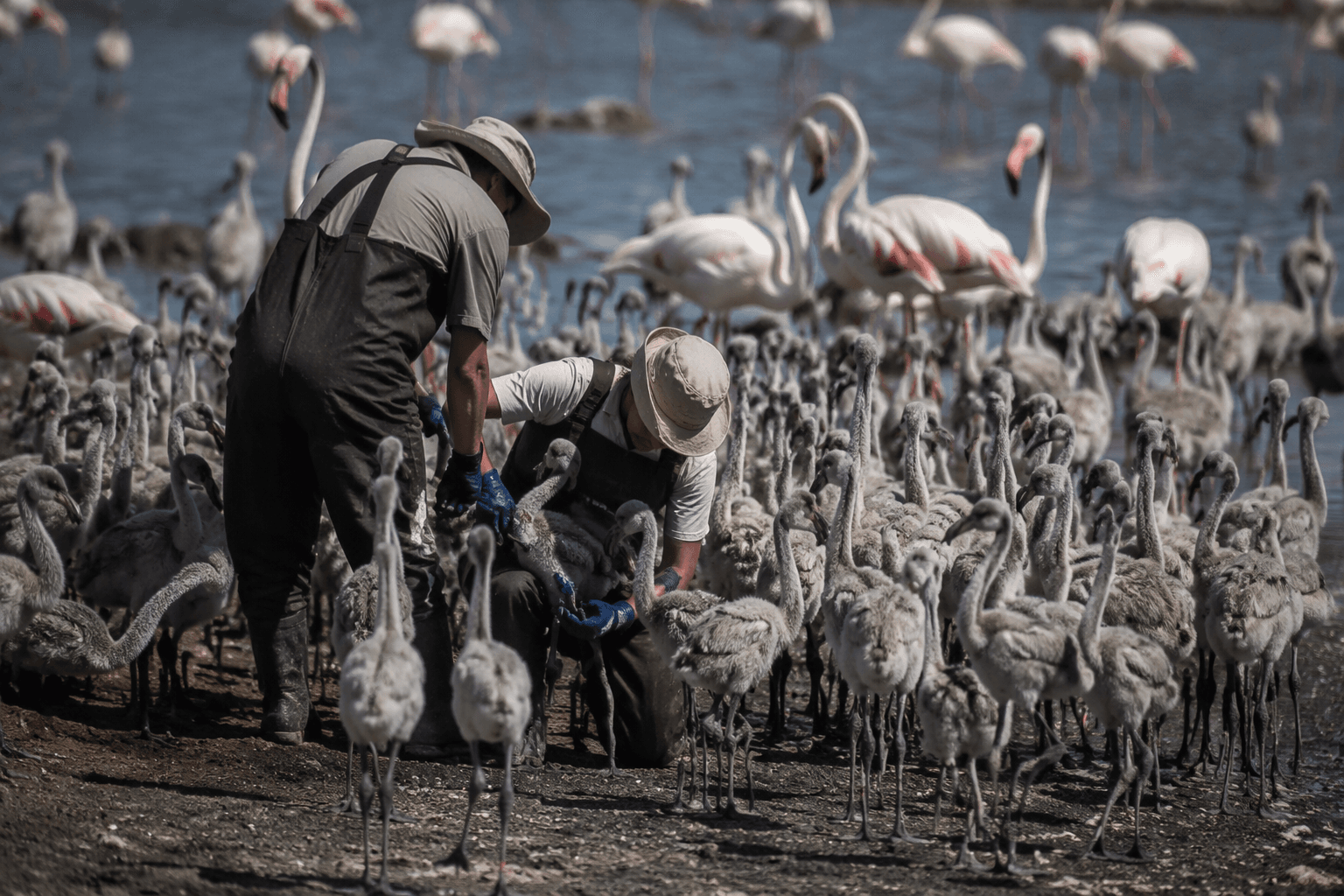
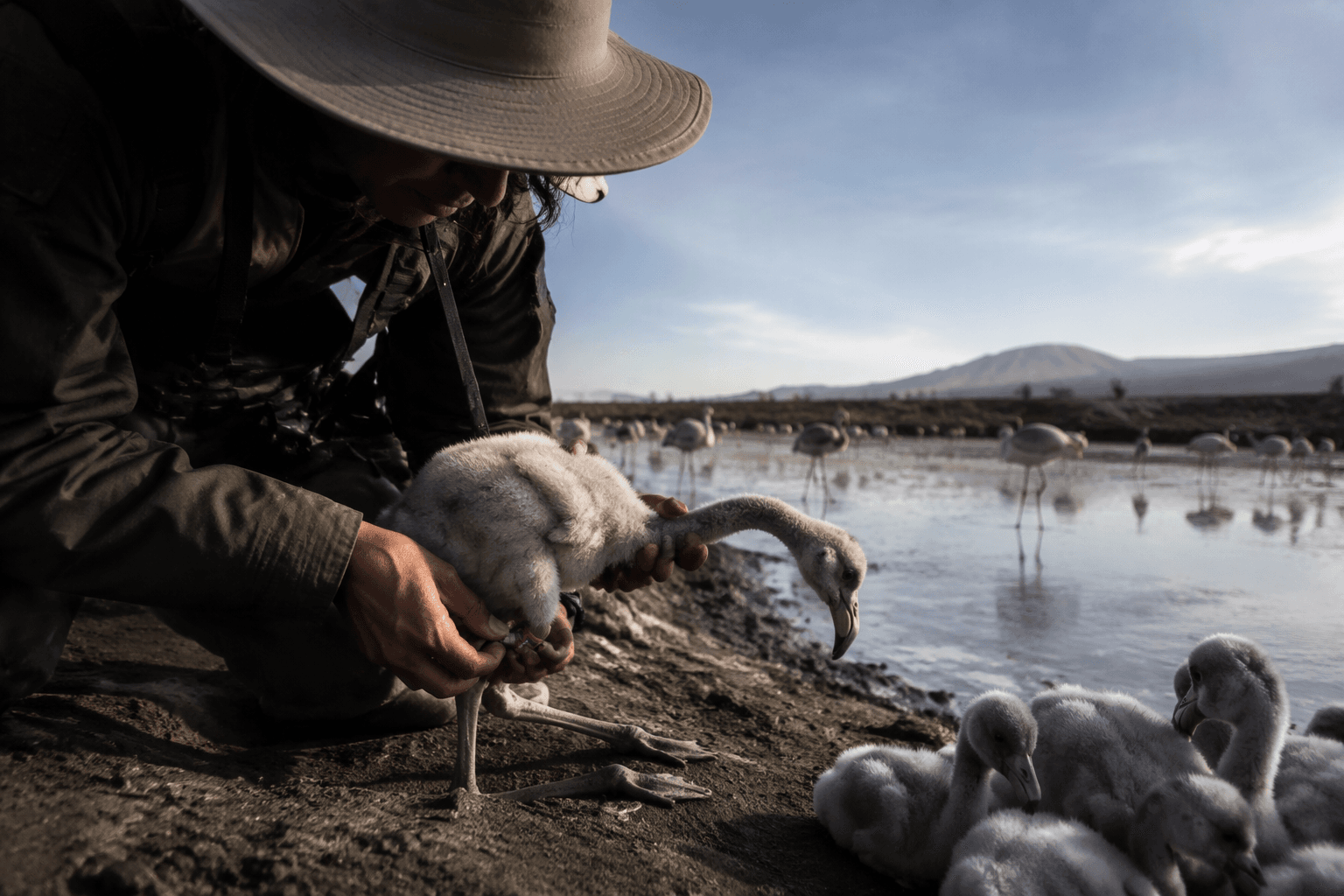
Hundreds of volunteers tagged 600 greater flamingo chicks at Fuente de Piedra Lagoon Natural Reserve in Málaga, fitting each bird with an identity ring on Saturday, August 8. The operation placed one of Spain’s best-known breeding sites at the center of a long-term tracking effort designed to show how many chicks survive, where they go next and how the colony is coping with a changing wetland.
The count matters because flamingos depend on fragile lagoons that can swing quickly with rainfall, drought and water use. By marking chicks while they are still in the reserve, conservationists can follow them after they disperse and build a clearer picture of breeding success than a single census can provide. A sample of 600 birds gives researchers a stronger base for measuring survival rates across seasons and spotting shifts in migration before the colony shows visible decline.
Fuente de Piedra has already offered a warning. In 2023, a Spanish lagoon popular with breeding flamingos dried up as drought persisted, and the United States Geological Survey said the shallow saltwater wetland nearly completely dried up that year. The agency said only a few dozen adult birds were seen on the lagoon in 2023, a sharp contrast with the thousands that normally use the site and a stress that also affected tourism in the area.
The reserve, near Málaga in Andalusia, was declared a natural reserve in 1984 and remains one of Europe’s largest flamingo colonies. Its breeding success depends on conditions that can be altered by drought, salinity changes and water management decisions across southern Spain. That is why the tagging work is more than a wildlife spectacle: it is a data exercise that turns each ringed chick into a future measurement of habitat health.
The timing gives the project added weight. A lagoon that can host hundreds of volunteers one day can be nearly empty in a dry year, and the difference between those two scenes is exactly what conservationists are trying to quantify.
This article was produced by Prism’s automated news system from verified source data, official records, and press releases, then run through automated quality and moderation checks before publishing. The system is built and supervised by the people who set the standards it runs under. Read our full AI policy.
Did this article answer your question?