Daily Exercise and Mental Outlets for Hyperenergetic Dogs by Breed Age Health
Dogs generally need between a half hour to two hours of daily exercise, tailored by breed, age, and health — helping owners match activity and mental outlets to curb excess energy.

Dogs’ daily needs vary widely, but a clear baseline helps owners build routines that curb destructive energy and support long-term health. Depending on size, breed, age, and health, the amount of exercise varies. Generally, dogs need to get between a half hour to two hours of exercise daily. That range matters because matching activity to a dog’s natural drive prevents boredom, obesity, and behavior problems that ripple through households and local parks.
Choose or adapt a dog to your life. When choosing your puppy, you should consider thinking about their exercise requirements. It isn't a great idea to buy an active breed if you work for long hours every day and won't have the time to ensure its physical exercise needs are met, just like you wouldn't get a tiny teacup dog and expect it to run marathons with you. Puppies themselves need careful handling: for example, puppies often require short bursts of controlled activity to help their developing bodies.
Adult dogs split into useful energy bands for planning. Less active breeds will be happy with a brisk walk or two, but more active dogs might like to be your running partner or may enjoy an hour or so of play at the dog park. Moderate energy breed dogs like Beagles and Boxers require about an hour of daily activity each day. The lower energy breeds include Bulldogs and Shih Tzus and small dogs like Chihuahuas or Yorkshire Terriers, who will do fine with only 30 to 45 minutes of physical activity. If you have a toy sized dog, short walks are a great way to give them exercise without overexerting their energy.
High-drive and large-breed dogs need more than miles. The guide emphasizes combining physical and mental outlets for high-drive dogs, and owners should add problem-solving play to physical work. Large breed dogs like Basset Hounds and Retrievers also need mental health stimulation, so it's a good idea to include food puzzles or puzzle games as part of their playtime or exercise routine. That mix helps burn off “zoomies” and reduces repetitive, attention-seeking behaviors.
Senior dogs require a gentler approach. Senior dogs still need some physical activity, but you must be mindful of overexertion. Consider incorporating thirty minutes to an hour of low-impact exercise in the latter stage of life, especially if you notice that mobility becomes challenging for your pup.
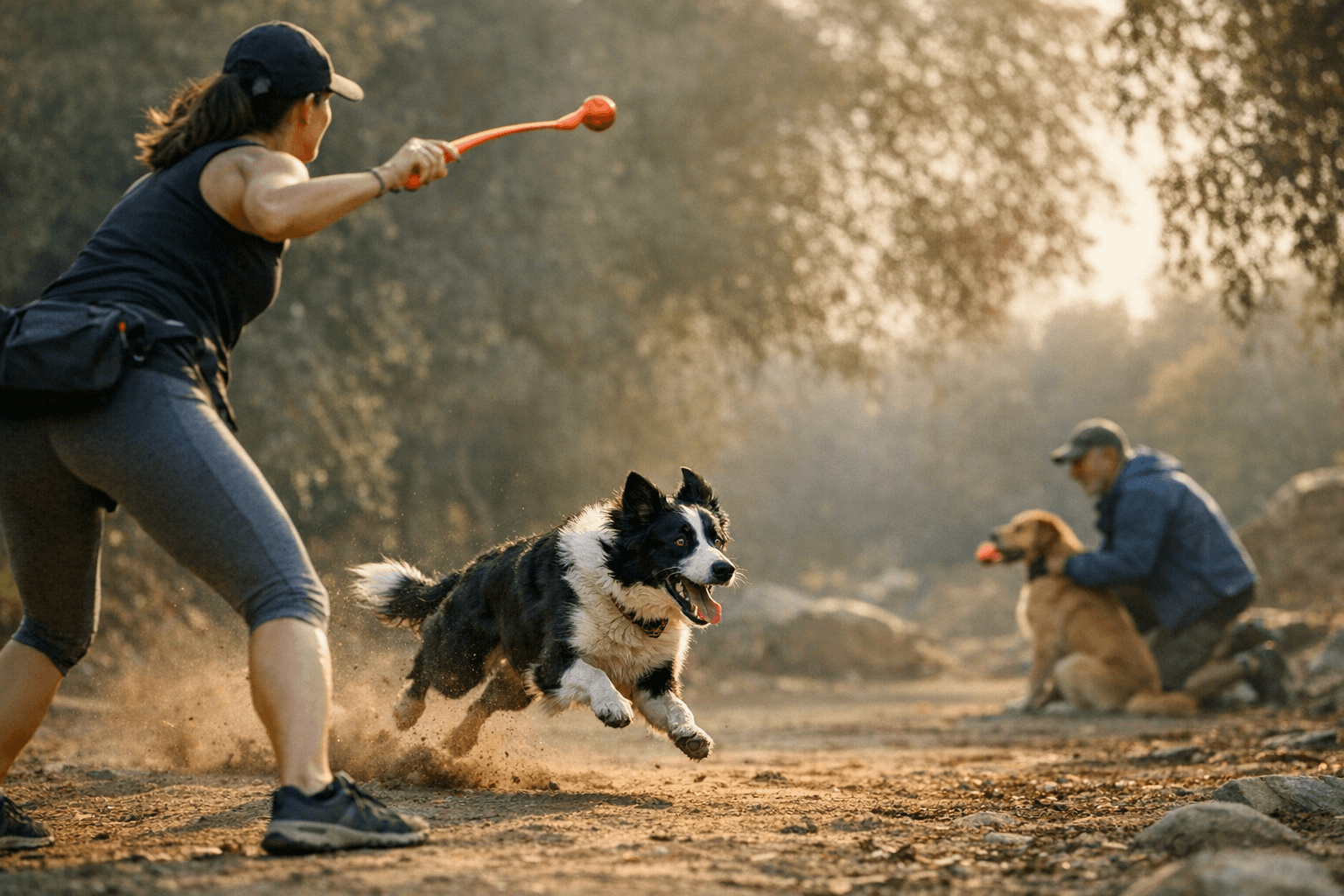
Practical next steps are straightforward: create a daily plan that blends short, focused training sessions with longer play or walks, and tweak duration based on breed and behavior. The evergreen overview even offers sample daily plans (short, focused training sessions + longer). Talking to your vet about your dog's exercise needs based on size and breed is always a good idea. A smaller-sized dog doesn't always need less regular exercise than a bigger-sized breed.
SEE ALSO: A Guide to Dog Dental Care
For owners of hyperenergetic dogs, the takeaway is simple: match intensity and mental stimulation to breed and life stage, monitor signs of overexertion, and consult your veterinarian to fine-tune a routine that keeps tails wagging and neighborhoods calm.
Know something we missed? Have a correction or additional information?
Submit a Tip