Dakar lab helps identify cruise ship hantavirus outbreak in 24 hours
Specimens from a stranded cruise ship reached Dakar before dawn and, within 24 hours, Senegalese scientists pinned the outbreak on Andes virus.

A Dakar laboratory helped identify a cruise ship outbreak in a single day, a result that underscored how fast-moving public health work now depends on genomic capacity far beyond Europe and the United States.
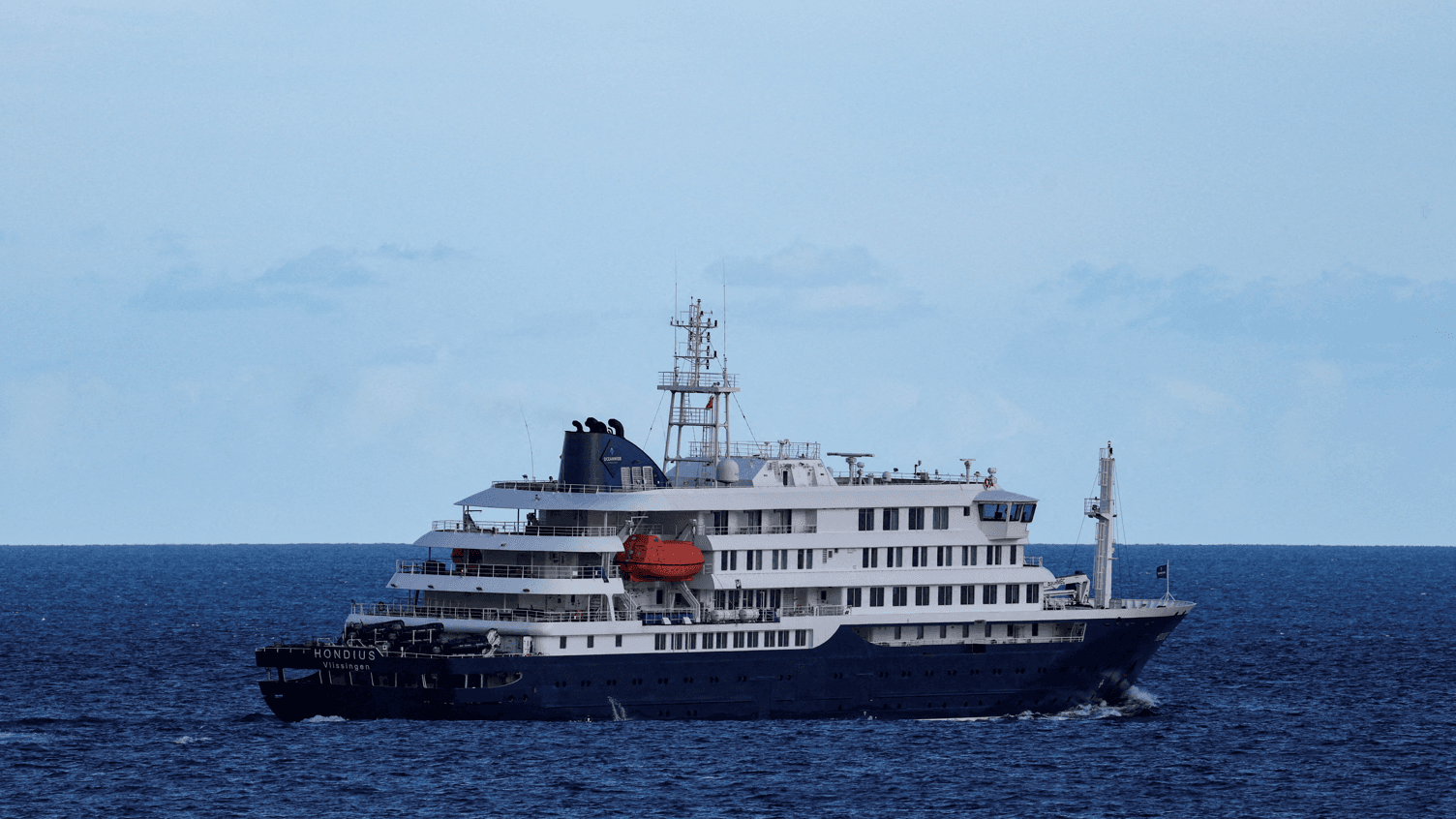
When specimens from the MV Hondius arrived in Senegal in the early hours of May 5, scientists at the Institut Pasteur de Dakar worked through the night with sequencing machines and biocontainment procedures. Within 24 hours, they had produced a partial genome showing that the illness affecting passengers was the Andes strain of hantavirus, the only hantavirus subtype with documented human-to-human transmission.

The ship had been moored off Cabo Verde after passengers and crew began falling ill during a voyage that started in Ushuaia, Argentina, on April 1 and passed through mainland Antarctica, South Georgia, Nightingale Island, Tristan da Cunha, Saint Helena and Ascension Island. The World Health Organization said on May 4 that seven cases had been identified, including three deaths, one critically ill patient and three people with mild symptoms. By May 13, the total had risen to 11 cases, with eight laboratory-confirmed infections, two probable cases and one inconclusive case.
Moussa Moise Diagne, who heads the sequencing platform at the institute, said it is crucial to have detection capacity in different parts of the world because fast diagnosis matters for clinical management and for contact tracing, especially when passengers and crew have already dispersed across borders. That warning carried weight in this case: the cruise carried 147 passengers and crew, and the World Health Organization said national IHR focal points were helping with international contact tracing.
The Dakar result was mirrored that same day by laboratories in South Africa and Switzerland, and public health officials later shared the findings. Investigators were still trying to determine the exposure window in Latin America and the source of the outbreak, working with collaborators in Chile, Argentina, the Netherlands, Switzerland and South Africa. Diagne also said no significant mutations were found compared with a 2018 outbreak in Argentina.
The episode highlighted a deeper shift in the global health map. Institut Pasteur de Dakar had already supported roughly 20 countries during the COVID-19 pandemic and had aided responses to Marburg and Ebola in sub-Saharan Africa, giving it experience that proved decisive when every hour mattered. By May 21, the European Centre for Disease Prevention and Control said the ship was docked in Rotterdam, sanitation was underway and the risk to the EU and EEA general population remained very low. Still, the outbreak showed that the fastest answers do not always come from the richest systems, but from the labs that have been built, connected and trusted to move first.
This article was produced by Prism’s automated news system from verified source data, official records, and press releases, then run through automated quality and moderation checks before publishing. The system is built and supervised by the people who set the standards it runs under. Read our full AI policy.
Did this article answer your question?