Dalai Lama to undergo left knee treatment in New Delhi
The 90-year-old Tibetan leader was due in New Delhi for left knee treatment, a small medical step with huge implications for Tibet’s succession fight.

The Dalai Lama was set to travel from Dharamshala to New Delhi on June 5 for treatment on his left knee, a brief medical trip that has become inseparable from the larger question of who will speak for Tibetan Buddhism after him. His office said on June 4 that, after recovery, he is expected to head to Ladakh toward the end of June for an extended stay.
The 90-year-old spiritual leader has dealt with recurring mobility problems in recent years. He had surgery on the same knee in New York in 2024, and his movement has since become more cautious, with longer distances inside his compound now covered by golf cart and aides sometimes helping him walk. For followers who routinely gather in prayer before medical procedures, even a routine treatment carries deep emotional weight.
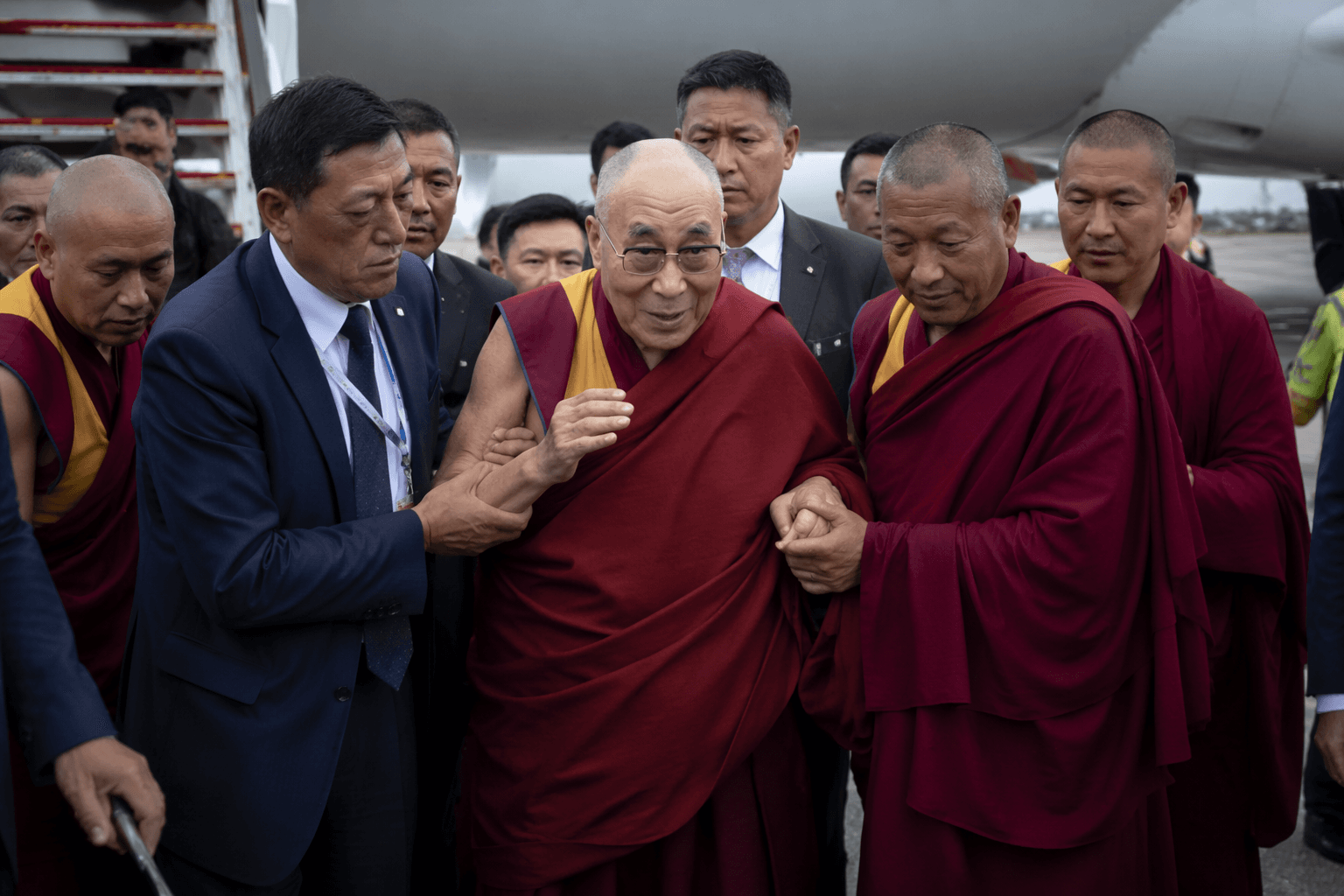
The health update lands at a moment when every public appearance by Tenzin Gyatso carries political meaning. He has lived in exile in Dharamshala since fleeing Tibet in 1959 after a failed uprising against Chinese rule, and he remains both a religious authority and a symbol of Tibetan identity outside China’s control. His age has sharpened the stakes around succession, because his eventual death would trigger a contest over who has the right to identify the next Dalai Lama.
That dispute intensified in July 2025, when he said the Gaden Phodrang Trust would hold sole authority to recognize his reincarnation. The trust, registered in 2011 in Dharamshala, says it will oversee the identification, education and well-being of future Dalai Lamas in line with Tibetan Buddhist traditions. The Dalai Lama has rejected any role for Beijing in choosing his successor, while China has repeatedly insisted it must approve the next spiritual head through a centuries-old ritual.
His own comments have kept that succession debate in the open. In 2025, he said he hoped to live beyond 130 years and has also reassured followers that he will be reincarnated after death. Amnesty International said the succession declaration renewed concerns about Chinese interference in Tibetan religious practices, underscoring how a question that begins with health has become a test of religious freedom, exile politics and state power. For Tibetans in India and beyond, the condition of one knee now points to the future of an entire institution.
This article was produced by Prism’s automated news system from verified source data, official records, and press releases, then run through automated quality and moderation checks before publishing. The system is built and supervised by the people who set the standards it runs under. Read our full AI policy.
Know something we missed? Have a correction or additional information?
Submit a Tip