World Cup health officials worry measles more than Ebola
Health officials say the World Cup’s real threat is not Ebola but measles, flu and other fast-moving infections. The tournament will pack 48 teams into 16 cities across three countries.
Health officials are looking past the headline fear of Ebola and toward the more ordinary viruses that can race through packed stadiums, airports and fan zones. The bigger concern around the 2026 World Cup is measles, respiratory illness and other highly contagious infections that can move quickly among millions of visitors, athletes, volunteers and staff as the tournament unfolds across the United States, Canada and Mexico.
The scale is what makes the problem hard. FIFA’s expanded World Cup begins June 11 and runs through July 19, with 104 matches, 48 teams and games spread across 16 host cities. The final will be played in New York/New Jersey. Public-health planners say that kind of cross-border, high-turnover event creates the conditions for infections to follow travel routes rather than stadium schedules.
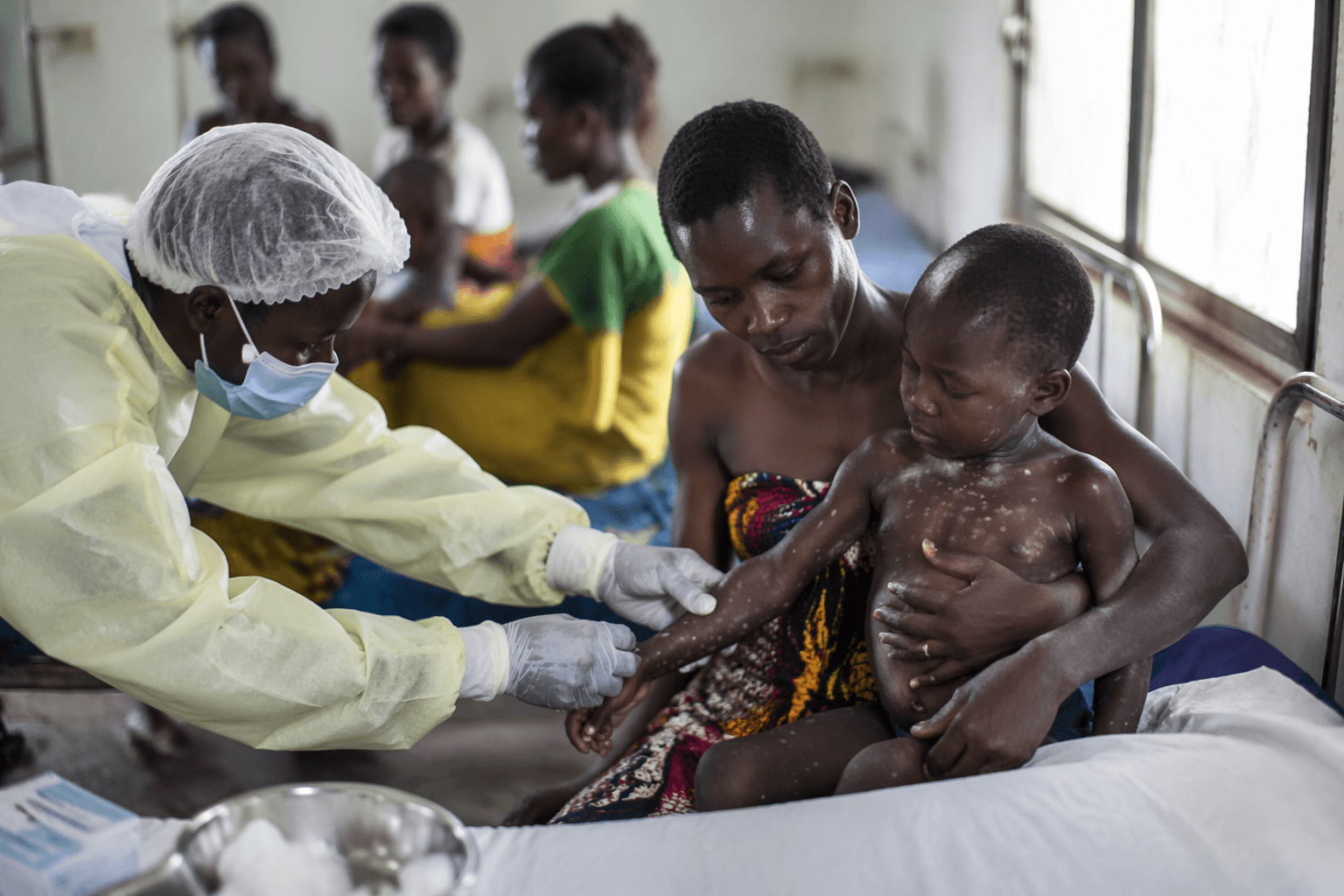
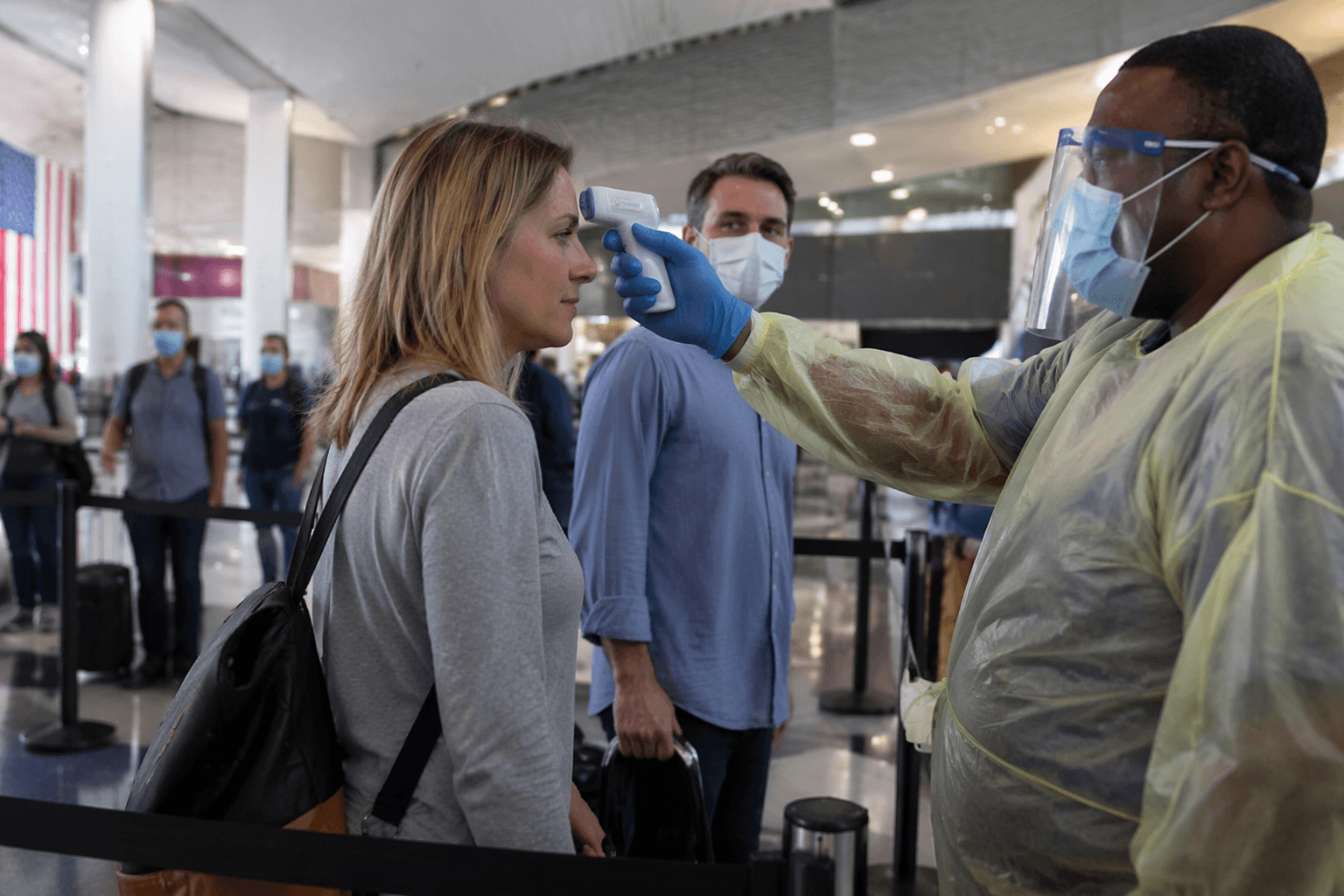
Ebola still draws attention because the World Health Organization declared the outbreak in the Democratic Republic of the Congo and Uganda a public health emergency of international concern on May 17. But specialists say the virus is not easily transmitted from person to person, and CDC said on May 18 that no suspected, probable or confirmed Ebola cases linked to the outbreak had been reported in the United States. CDC and the Department of Homeland Security have since moved to enhanced travel screening, entry restrictions and other measures, while travel notices in May listed Bundibugyo virus disease in the Congo as a Level 3 notice and Uganda as a Level 1 notice.
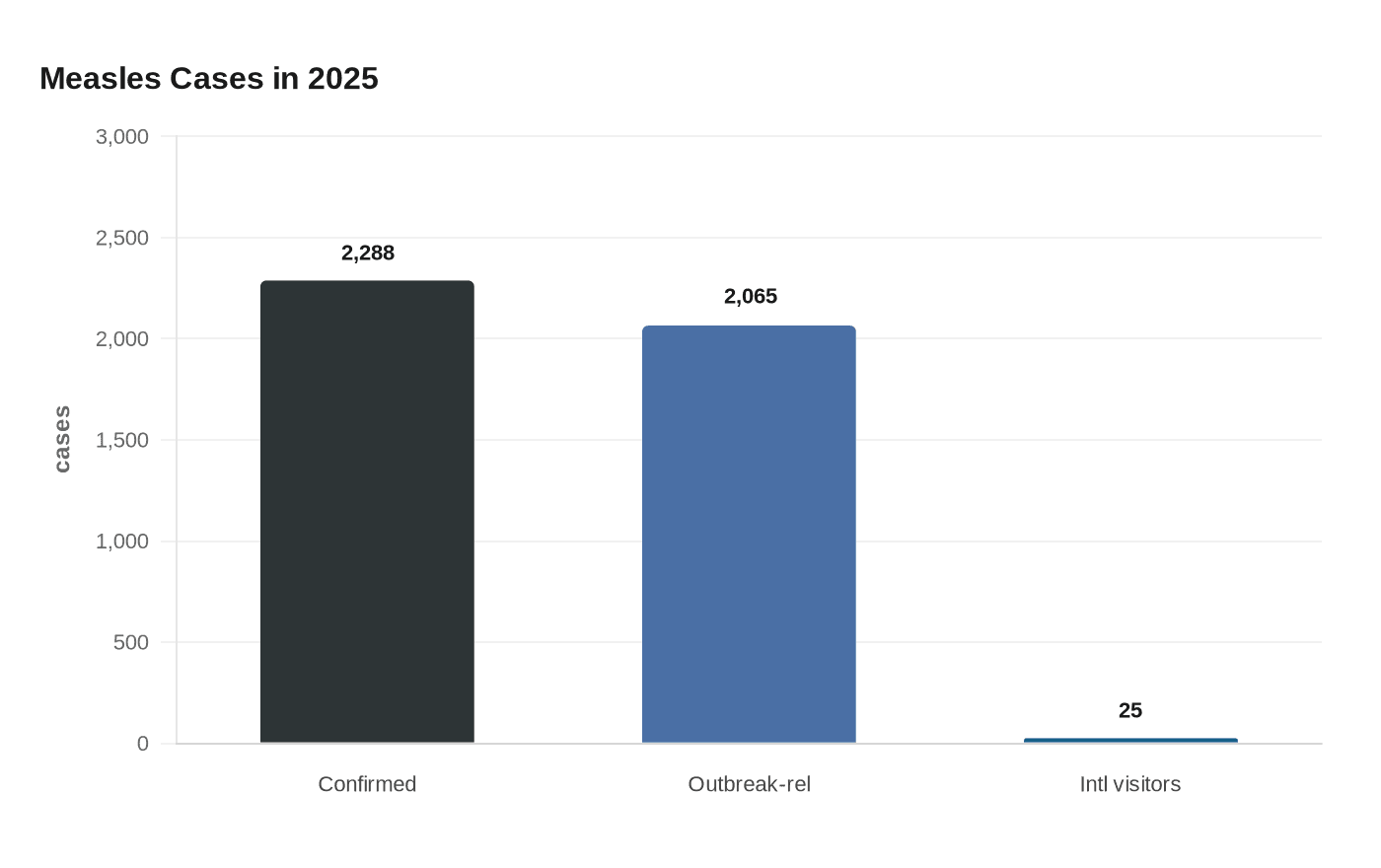
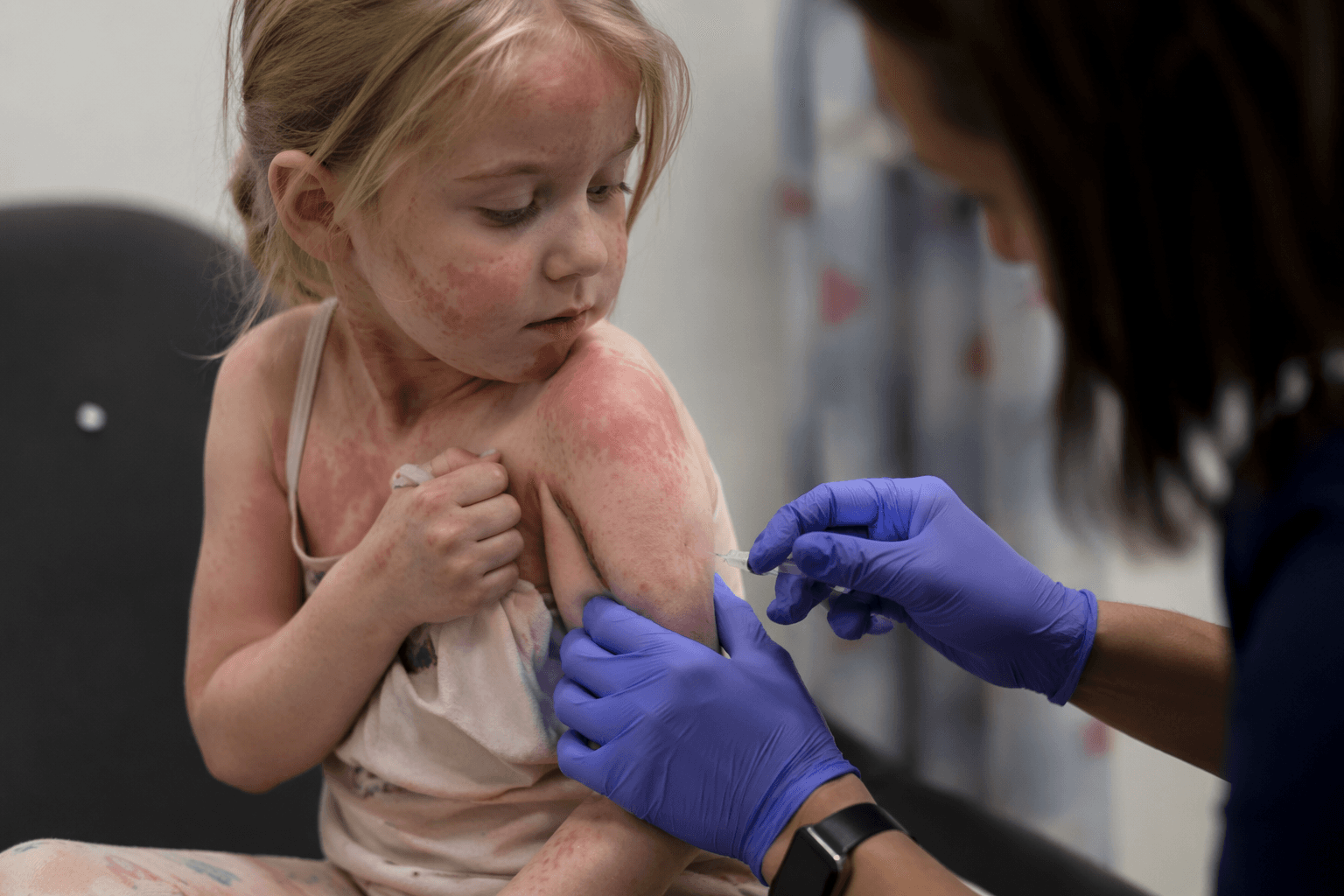
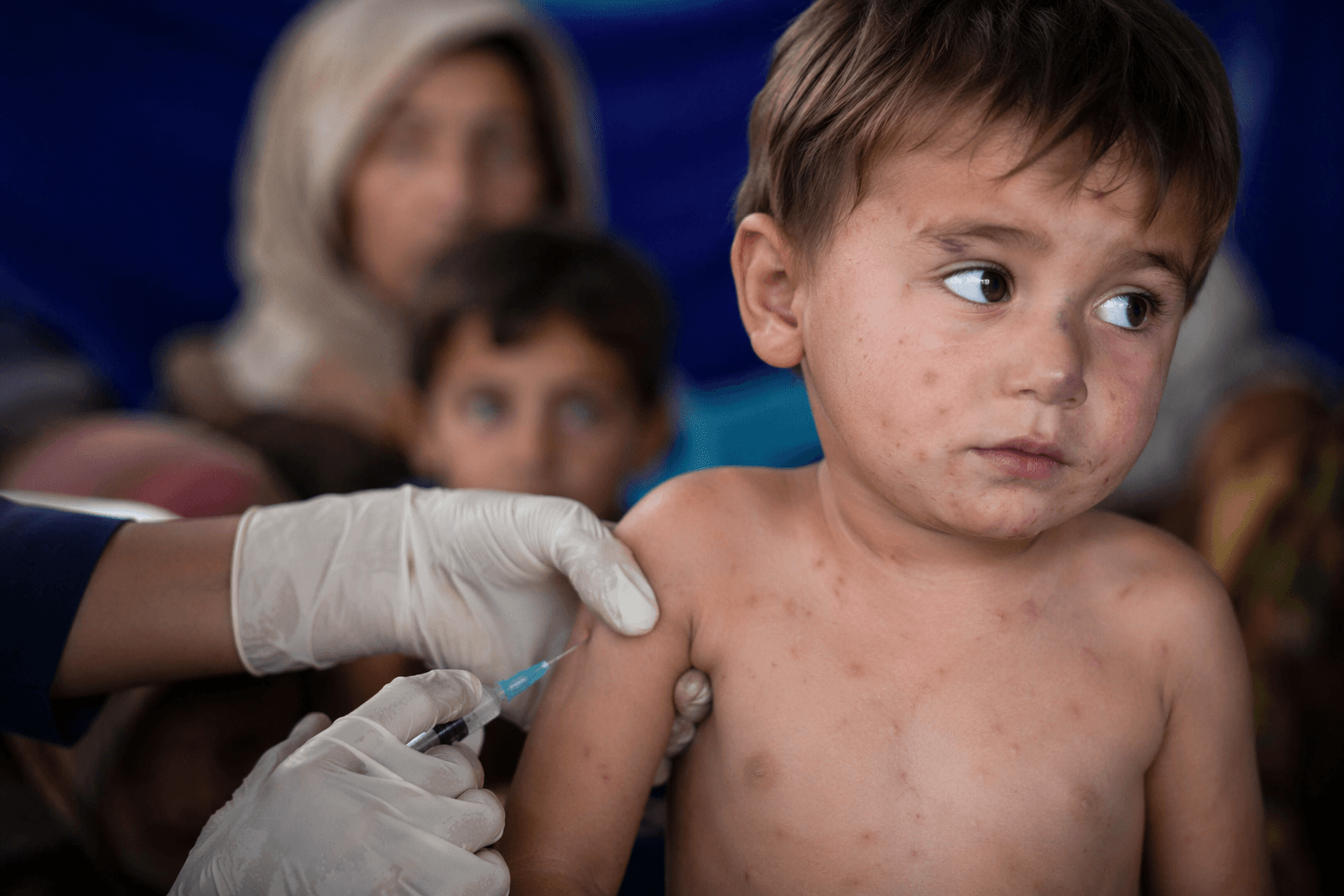
The sharper worry is measles. Dr. Shruti Gohil of University of California, Irvine Health said she worries much less about Ebola and hantavirus because the chance of person-to-person spread is very low. She and other experts pointed instead to measles, Covid-19, influenza and dengue, especially with international travel bringing infections into and out of host cities. CDC recorded 2,288 confirmed measles cases in 2025, including 48 outbreaks, and said 2,065 of those cases were outbreak-associated. It also counted 25 cases among international visitors. In 2026, the United States has already passed 2,000 measles cases again.
That is why the response now looks like a public-health stress test, not just a travel advisory. The Pan American Health Organization urged countries in the Americas on June 2 to strengthen measles surveillance, vaccination and rapid response before the tournament and other mass gatherings. New York City health officials also warned in a May alert to expect more heat-related illness, gastrointestinal disease, travel-related infections, sexually transmitted infections and alcohol and substance use during the World Cup period. Georgetown University Medical Center has built additional monitoring infrastructure, including daily situation reports, as North American officials try to spot trouble before it spreads from one crowded venue to the next.
This article was produced by Prism’s automated news system from verified source data, official records, and press releases, then run through automated quality and moderation checks before publishing. The system is built and supervised by the people who set the standards it runs under. Read our full AI policy.
Know something we missed? Have a correction or additional information?
Submit a Tip