CDC warns Congo Ebola outbreak could rival worst on record
CDC warned Congo’s Ebola outbreak could top 20,000 cases in three months. The test now is whether isolation, cross-border screening and trust move faster than the virus.

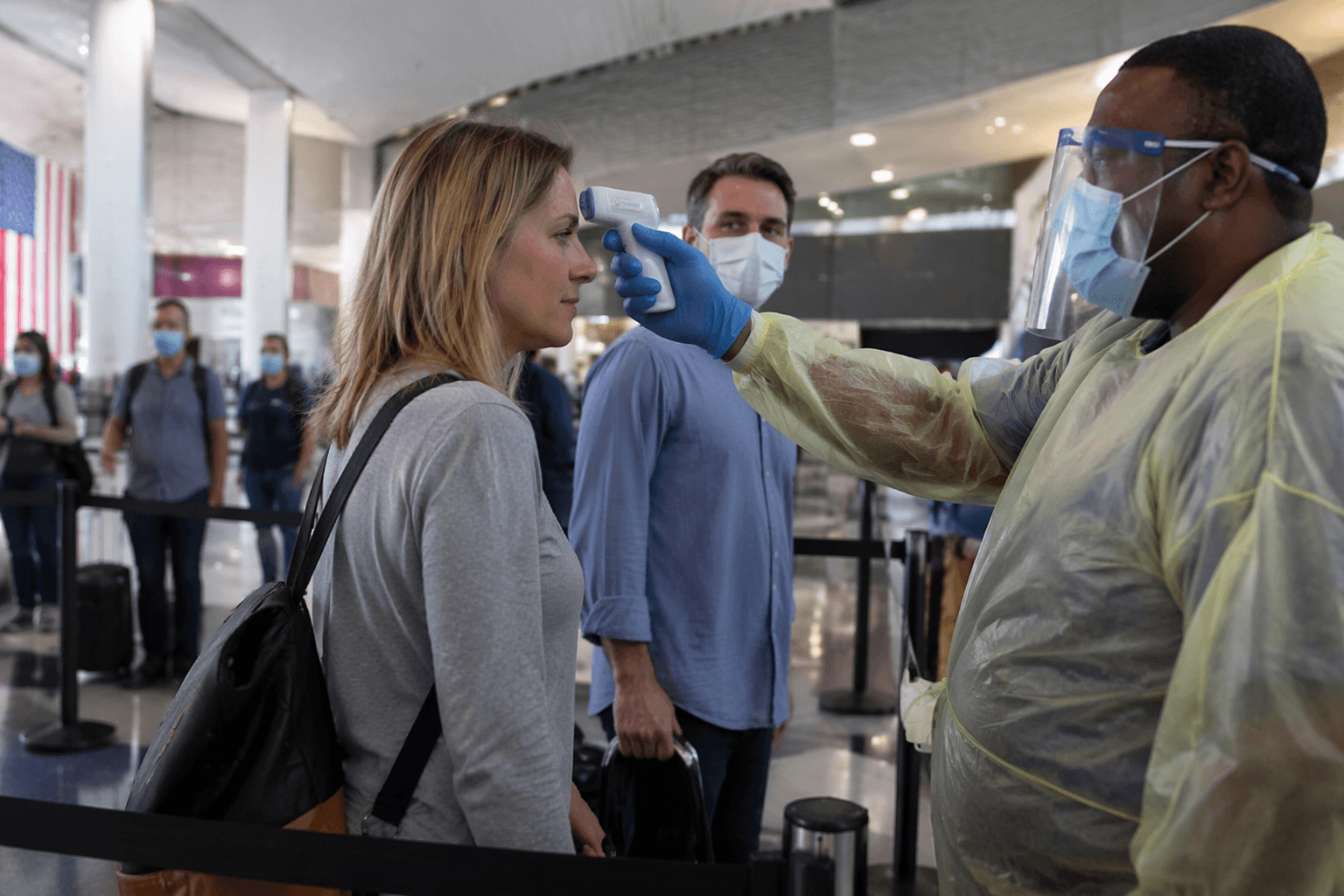
More than 20,000 Ebola cases could follow within three months if only one in five infected people are identified and isolated within two days, the U.S. Centers for Disease Control and Prevention warned Friday, placing the outbreak in the Democratic Republic of the Congo and Uganda on a trajectory that could rival the deadliest Ebola emergency on record. The agency said the overall risk to the American public and travelers remained low, and that no U.S. cases tied to the outbreak had been confirmed.
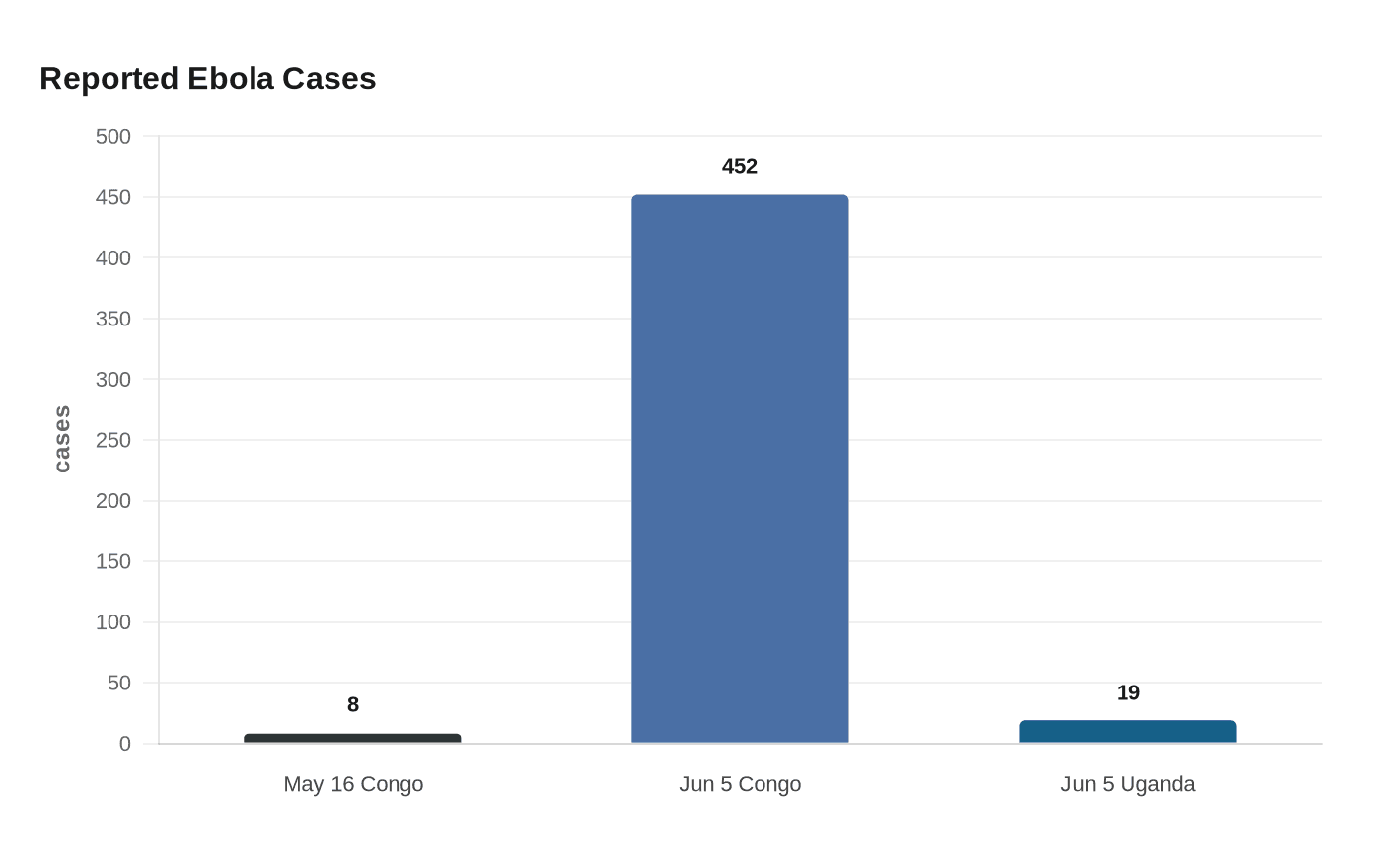
The warning arrived as the World Health Organization stepped up its response. WHO declared the outbreak a Public Health Emergency of International Concern on May 17, saying the virus was spreading in a remote but densely populated region marked by insecurity, heavy population movement and cross-border trade. As of May 16, WHO had reported eight laboratory-confirmed cases, 246 suspected cases and 80 suspected deaths in Ituri Province in eastern Congo, with cases also confirmed in Kinshasa and in Uganda after infected travelers crossed the border. At least four healthcare workers had died. By June 5, CDC said the tally had risen to 452 cases and 82 deaths in Congo, plus 19 cases and two deaths in Uganda.
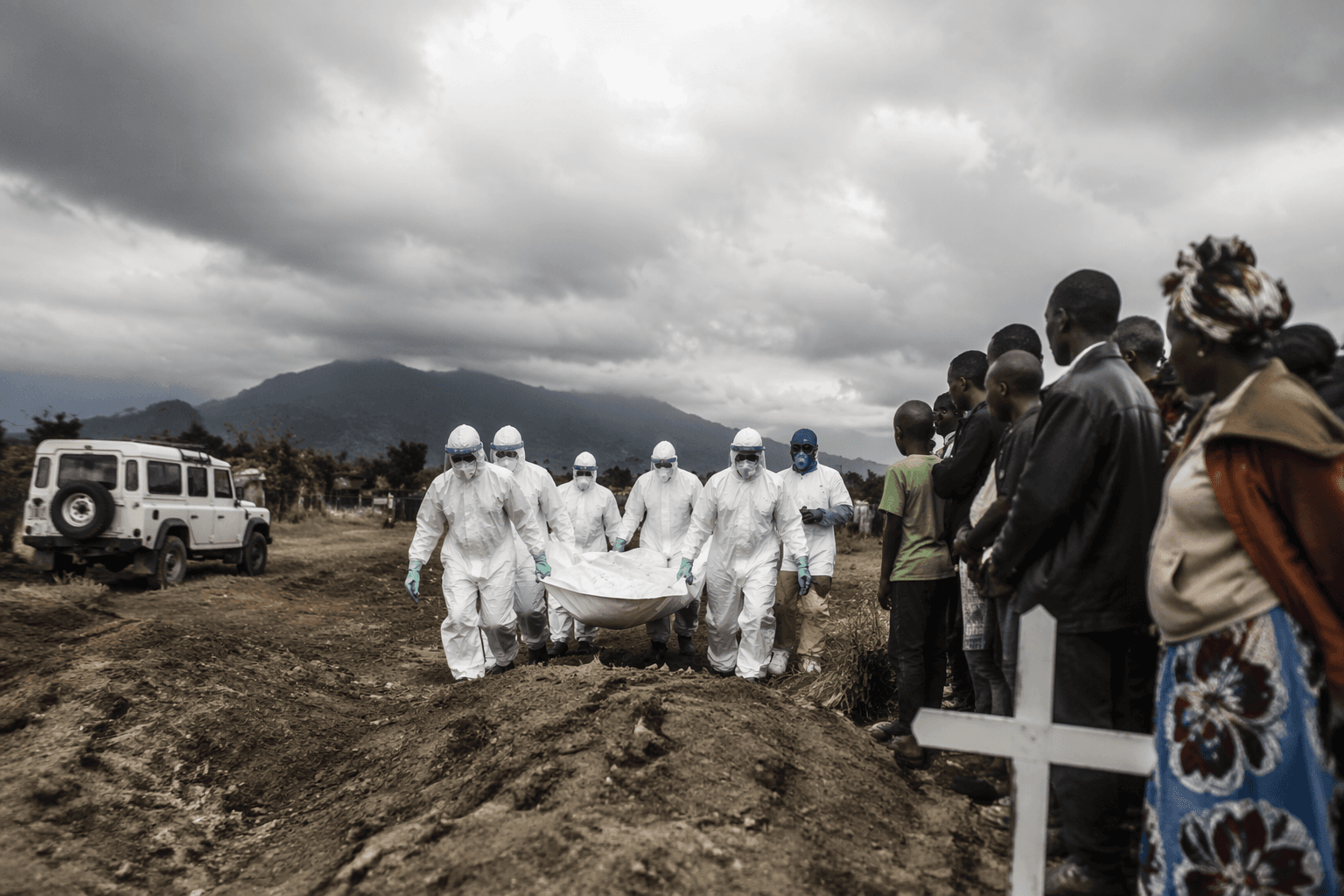
The outbreak is caused by the Bundibugyo strain of Ebola, a form for which WHO says there is no approved vaccine or specific treatment. That makes the current spread especially dangerous in a country now facing its 17th Ebola outbreak, where response teams must depend on rapid isolation, surveillance and community cooperation rather than a biomedical backstop. The International Rescue Committee has warned the crisis could become the deadliest on record without urgent action.
The comparison to the 2014-2016 West Africa epidemic hangs over every new case. That catastrophe produced more than 28,000 infections and more than 11,000 deaths, exposing how quickly Ebola can outrun local clinics, border controls and international attention when the world reacts too late. This time, officials have moved sooner on paper: the United States and Germany announced enhanced travel screening, entry restrictions and public health measures on May 18, after an American exposed while caring for patients in Congo tested positive and was transported to Germany for treatment, where CDC said the patient was stable.
Even so, the hard lesson from West Africa remains unchanged. Once Ebola reaches communities with insecurity, weak trust and cross-border traffic, every delay widens the gap between containment and catastrophe. CDC said its staff were in regular contact with public health officials, but the real question is whether that coordination is early enough to stop this outbreak from becoming the next global benchmark for missed warning signs.
This article was produced by Prism’s automated news system from verified source data, official records, and press releases, then run through automated quality and moderation checks before publishing. The system is built and supervised by the people who set the standards it runs under. Read our full AI policy.
Know something we missed? Have a correction or additional information?
Submit a Tip