Damascus bombing renews fears of Islamic State’s surviving networks
Two bombs near Damascus’s Four Seasons Hotel wounded 18 as Emmanuel Macron visited, spotlighting Islamic State cells that still operate from Syria to Africa.
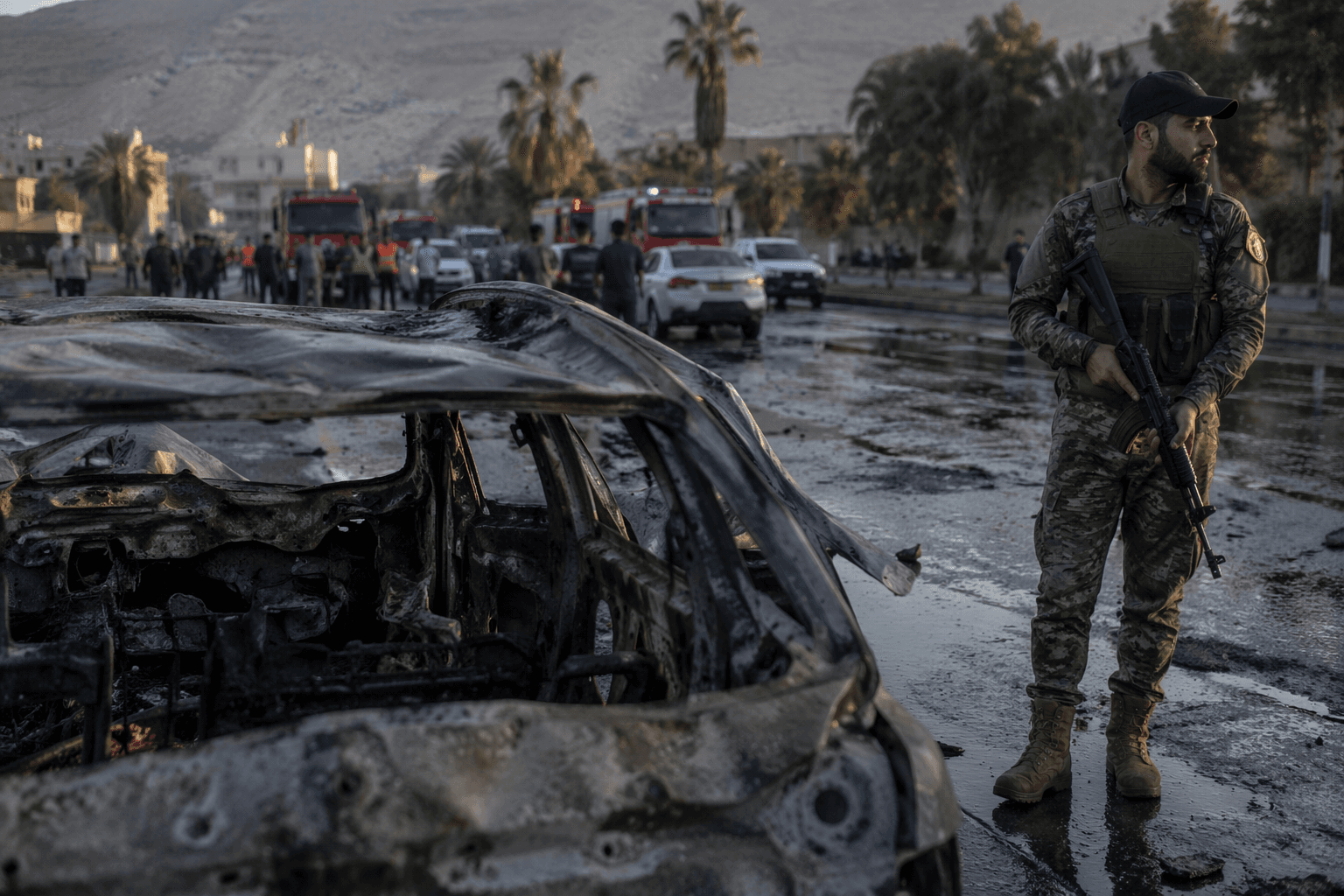
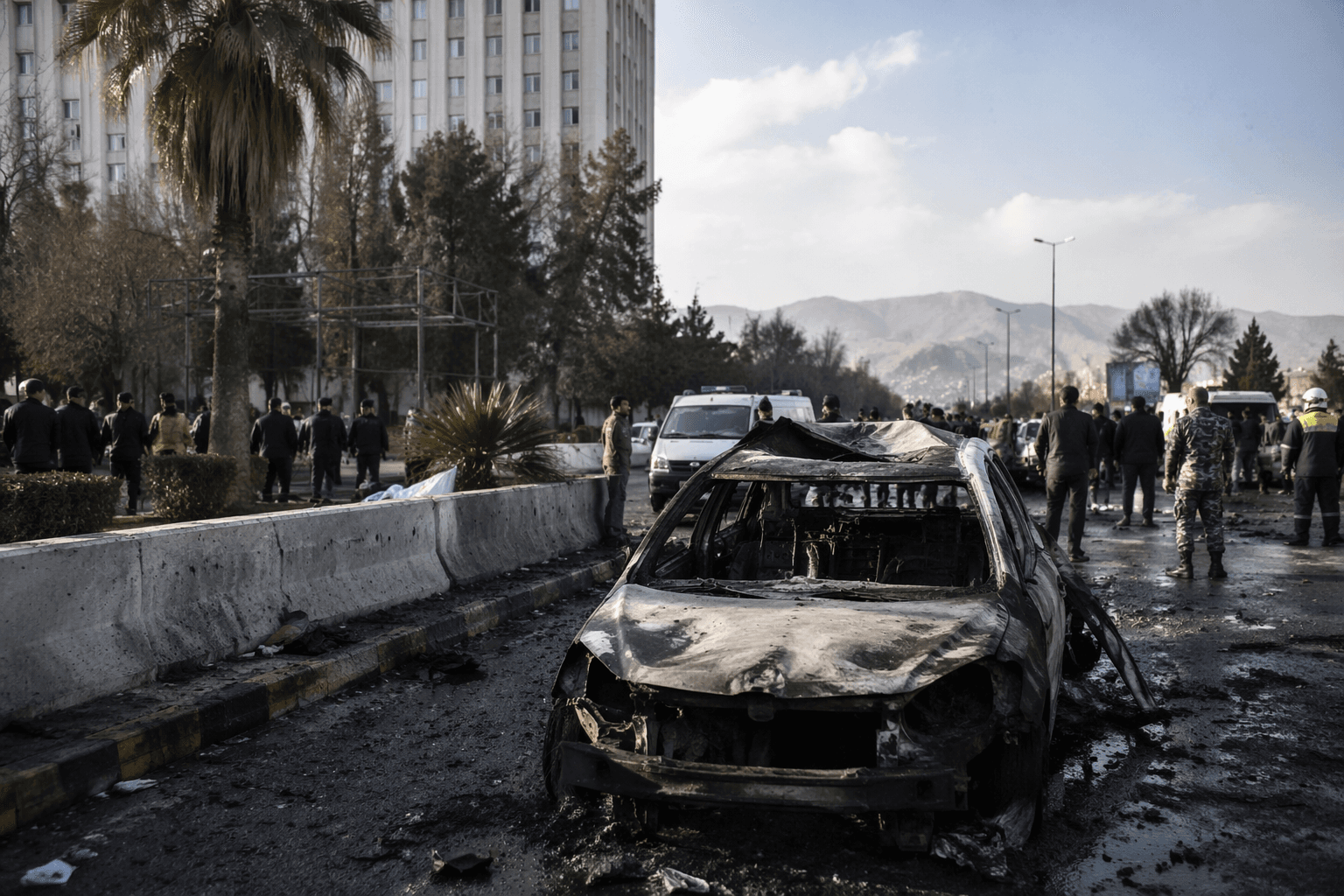
Two bombs exploded near the Four Seasons Hotel in central Damascus on July 7, wounding 18 people and sending French President Emmanuel Macron’s motorcade away minutes before the blasts. Macron was in Syria for the first visit by a European Union head of state since Bashar al-Assad was toppled, and he later met President Ahmed al-Sharaa at the presidential palace.
Investigations into the cell behind the attack linked it to an Islamic State affiliation. Islamic State declared its caliphate on June 29, 2014, after emerging from Islamic State of Iraq and al-Sham, and it seized major areas in Iraq and Syria before losing most of its land by November 2017. At its height, it ruled millions of people and enforced its rule through public executions, torture and other brutality.
The United Nations estimates about 10,000 Islamic State members remain in its Syrian and Iraqi heartlands, with leadership kept underground and fighters spread across autonomous cells. In January 2026, more than 10,000 members and thousands of women and children tied to the group were in prisons and camps in northeast Syria, and by February about 3,000 detainees had been transferred from Syria to Iraq.
Africa accounted for 86% of Islamic State’s global activity in the first three months of 2026, with Islamic State West Africa Province in northeastern Nigeria the largest faction on the continent. Other branches remain active in the Sahel, Somalia, Mozambique and Congo, while the network also retains a presence in Afghanistan and Pakistan.
A 2026 U.S. Commission on International Religious Freedom country update documented Islamic State insurgents exploiting Syria’s security vacuum and targeting religious sites and worshipers.
This article was produced by Prism’s automated news system from verified source data, official records, and press releases, then run through automated quality and moderation checks before publishing. The system is built and supervised by the people who set the standards it runs under. Read our full AI policy.
Did this article answer your question?