Danone and Chobani clash over labeling in protein yogurt war
Danone says Chobani’s 20G tubs exaggerate protein by using serving-size math, turning yogurt labels into a fight for a booming premium aisle.
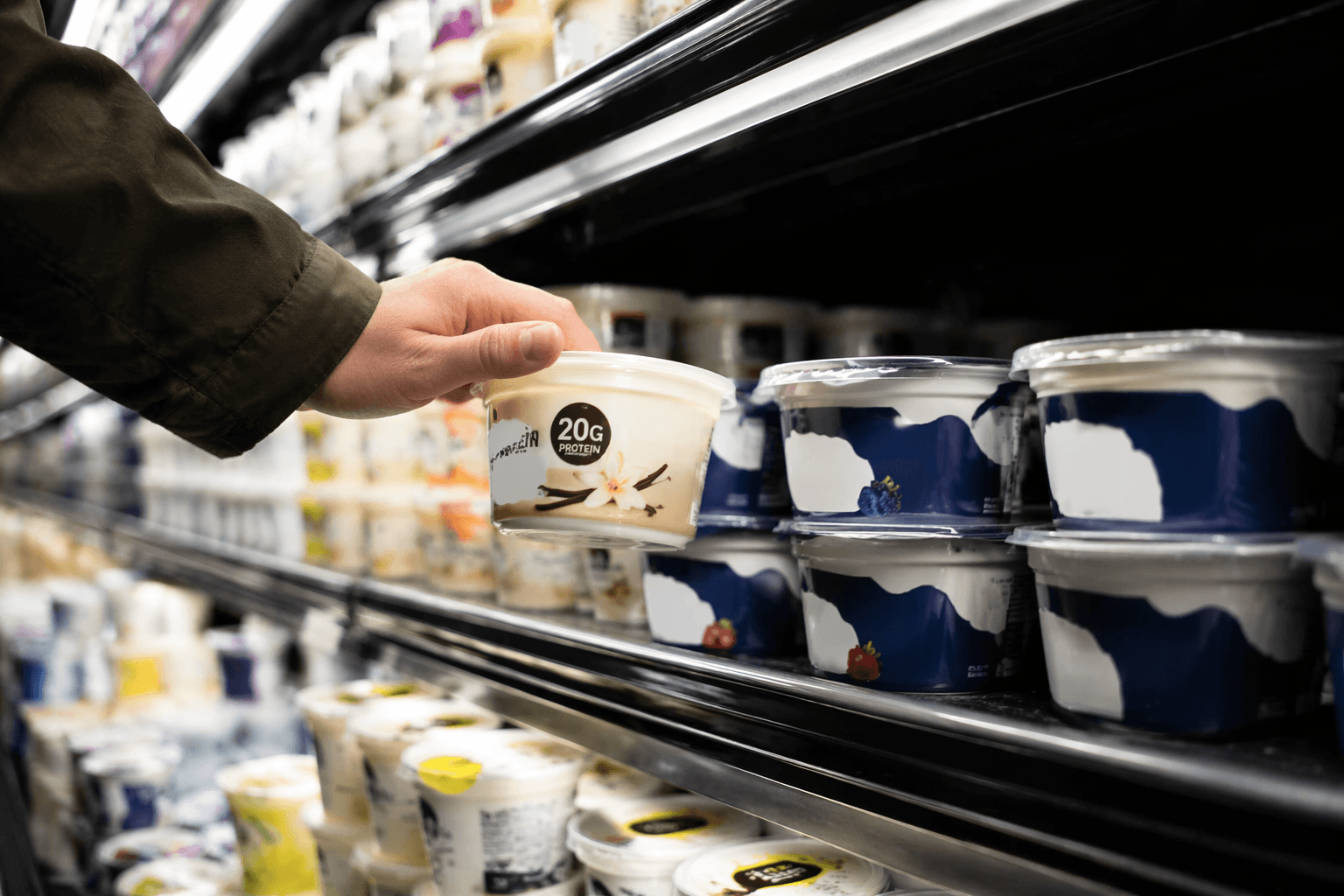
Danone’s lawsuit against Chobani has pushed a packaging dispute into the center of the high-protein food economy, where labels, serving sizes and shelf-price premiums now shape who wins in the dairy aisle. The French company filed the case in Manhattan federal court on June 15, accusing Chobani of overstating the protein content of its 32-ounce Chobani 20G Protein tubs and misleading shoppers who are paying more for functional foods.
At the heart of the complaint is a simple but consequential claim: Danone says Chobani’s serving-size math makes the product look richer in protein than it really is. Industry coverage of the filing said Danone alleges the tubs contain about 18 grams of protein per serving, not 20 grams, and that 5.3 ounces, or 150 grams, has long been treated as the standard U.S. single-serving yogurt size. Danone argues the presentation is unfair to Oikos Pro, its own high-protein line, and helps Chobani undercut Danone’s roughly €1 billion Oikos brand on price.
The case lands in a market where protein claims have become more valuable because of GLP-1 weight-loss drugs. Consumers using those medications have been leaning toward protein-heavy foods to help counter muscle loss, and Reuters cited Boston Consulting Group research indicating yogurt is one of the few categories that can keep getting a lasting boost even after people stop taking the drugs. That makes the fight over a yogurt label more than a technical argument about nutrition panels; it is a fight over how growth in the protein segment gets measured and monetized.
Danone’s own business makes the stakes clear. The company said Oikos Pro crossed €1 billion in U.S. revenue in 2025, and its 2025 results presentation said high-protein products continued to post double-digit growth. Danone has also been adding North American capacity as demand outpaces supply, while Barclays analysts have warned that investors are growing nervous about the pace of recovery in Danone’s U.S. dairy business.
Chobani chief executive Hamdi Ulukaya dismissed the allegations, saying Danone was “throwing things out there” and that Chobani does not add external protein to its products. Danone countered that consumers need “clear, accurate and consistent nutrition information.” The lawsuit is at least the fourth between the two companies since 2016, and Chobani is separately seeking dismissal of Danone’s trademark case over La Colombe cold brew coffee, including the “Bright & Mellow” slogan. Together, the disputes show a rivalry that now runs through protein claims, trademark fights and the language brands use to define value in the refrigerated aisle.
This article was produced by Prism’s automated news system from verified source data, official records, and press releases, then run through automated quality and moderation checks before publishing. The system is built and supervised by the people who set the standards it runs under. Read our full AI policy.
Know something we missed? Have a correction or additional information?
Submit a Tip