Gas prices may take months to recover after Iran war, analyst says
U.S. gasoline averaged $4.052 a gallon in mid-June, and Kevin Book said prices could take “a while” to fall even if Iran-related risks ease.
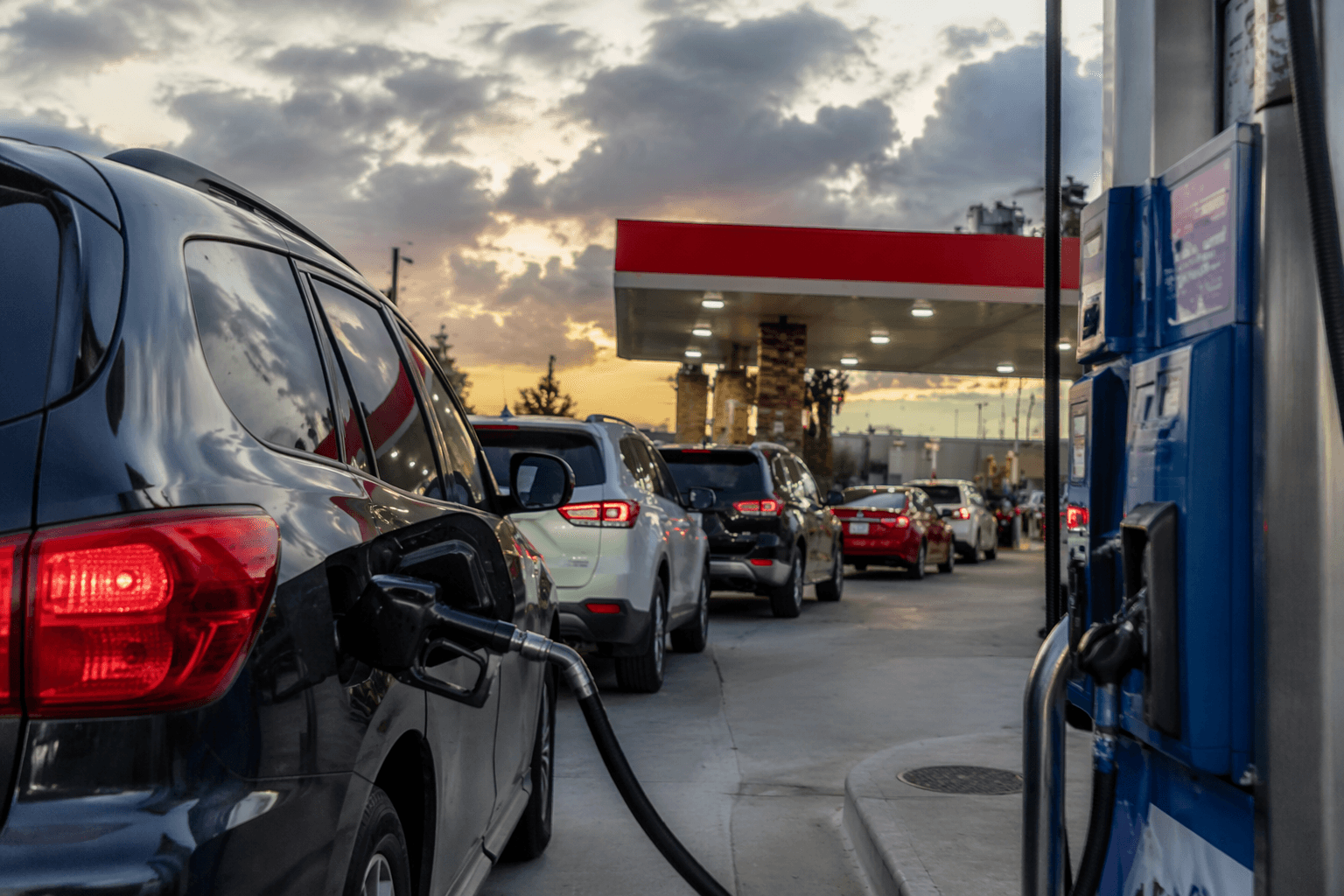
Gasoline may stay expensive long after war headlines fade, because the path from cheaper crude to cheaper pump prices runs through tankers, inventories and refineries. Kevin Book, managing director of ClearView Energy Partners, said on Face the Nation that it could take “a while” for gasoline to return to pre-war levels, even as crude prices have begun to ease.
The reason is timing as much as geopolitics. Oil prices fell about 5% to a three-month low on June 16 as traders anticipated an end to the fighting and a reopening of the Strait of Hormuz, the narrow waterway that carries a large share of the world’s oil and fuel shipments. But retail gasoline does not move in lockstep with crude. Tankers already at sea still need 25 to 30 days to reach their destinations, Amos Hochstein warned in an April 19 CBS interview, and some countries were already running low on fuel and jet fuel when the disruption hit.
That lag matters for households. The U.S. Energy Information Administration put the national average retail gasoline price at about $4.052 a gallon for the week ending June 15, still elevated even after the recent pullback in oil. In practical terms, that means drivers can feel little relief at the pump until refiners, distributors and station owners work through higher-cost inventory and replace it with cheaper barrels.
The policy backdrop is also unsettled. The Trump administration is working through a 60-day window to reach an agreement with Iran over its nuclear program after nearly four months of conflict. A memorandum of understanding circulated on June 18 said Iran could begin exporting oil as soon as the deal is signed, and that U.S. sanctions would be lifted on schedule in a final agreement tied to nuclear compliance. Even so, a signed paper deal would not instantly clear the market of shipping risk, insurance costs or inventory shortages.
That is why analysts are warning that relief may come in stages rather than all at once. A sustained drop in crude, a durable easing of tensions in the Strait of Hormuz, rebuilding of depleted reserves and a normal flow of tanker traffic would all need to line up before gasoline prices meaningfully settle down. Until then, the market can improve faster than the pump.
This article was produced by Prism’s automated news system from verified source data, official records, and press releases, then run through automated quality and moderation checks before publishing. The system is built and supervised by the people who set the standards it runs under. Read our full AI policy.
Know something we missed? Have a correction or additional information?
Submit a Tip