Darline Graham faces crowded South Carolina Senate primary for late brother’s seat
Trump backed Darline Graham Nordone, but her famous surname faced a crowded South Carolina GOP primary built around experience and loyalty.
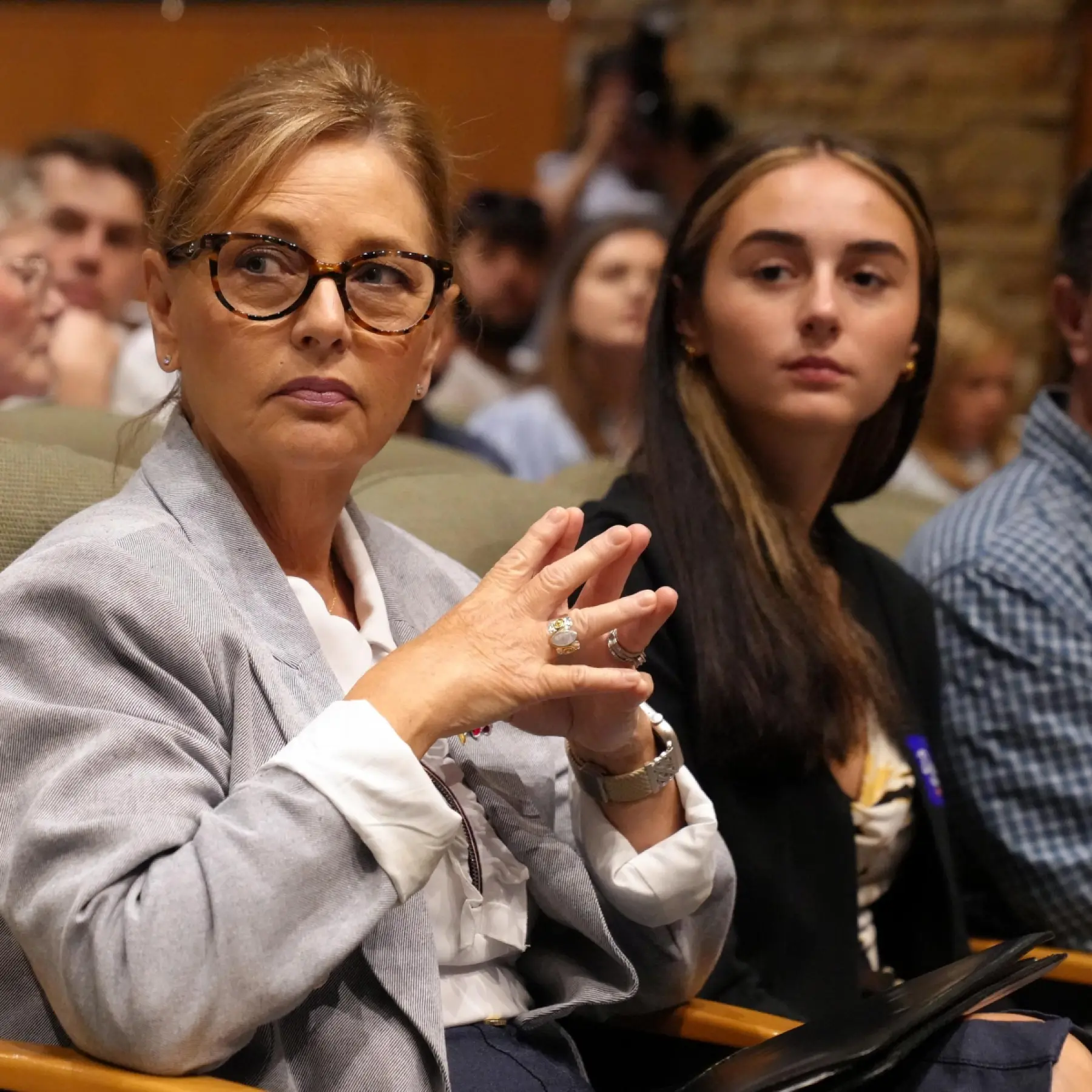
Darline Graham Nordone entered South Carolina’s crowded Republican Senate primary with President Donald Trump’s backing, betting that the Graham surname could still carry a seat once held by her late brother, Sen. Lindsey Graham. The race quickly became a test of whether family legacy or political experience would matter more to Republican voters.
South Carolina’s Republican primary for the Senate seat was scheduled for June 9, 2026, with a runoff set for June 23 if no candidate won a majority. Under the state’s rules, a contender needed more than 50% to win outright, or the top two finishers would move on to a second round. Election trackers described it as a special Republican primary to fill the seat, underscoring how quickly the field had filled around a vacancy tied to one of the state’s best-known political names.
Cook Political Report rated the South Carolina Senate race Solid R, signaling that the decisive contest would come inside the Republican Party rather than in November. Cook also noted Trump’s support for Darline Graham Nordone, while Gov. Henry McMaster was involved in the replacement process after Lindsey Graham’s death. That combination put national power and state machinery behind a race that was still being fought on the basis of candidate profile and name recognition.
The field was not limited to one Graham family member. Multiple Republicans filed for the seat, leaving Darline Graham Nordone to compete in a crowded lane rather than inherit an open one. The dynamic highlighted a broader shift in South Carolina Republican politics, where the old advantage of a famous surname was being measured against newer signals of party loyalty and alignment with Trump.
For Darline Graham Nordone, the challenge was not simply carrying the family name. It was proving that the Graham brand could still organize a Republican primary in an era when Trump’s endorsement, local standing and political experience were all vying for the same voters.
This article was produced by Prism’s automated news system from verified source data, official records, and press releases, then run through automated quality and moderation checks before publishing. The system is built and supervised by the people who set the standards it runs under. Read our full AI policy.
Did this article answer your question?