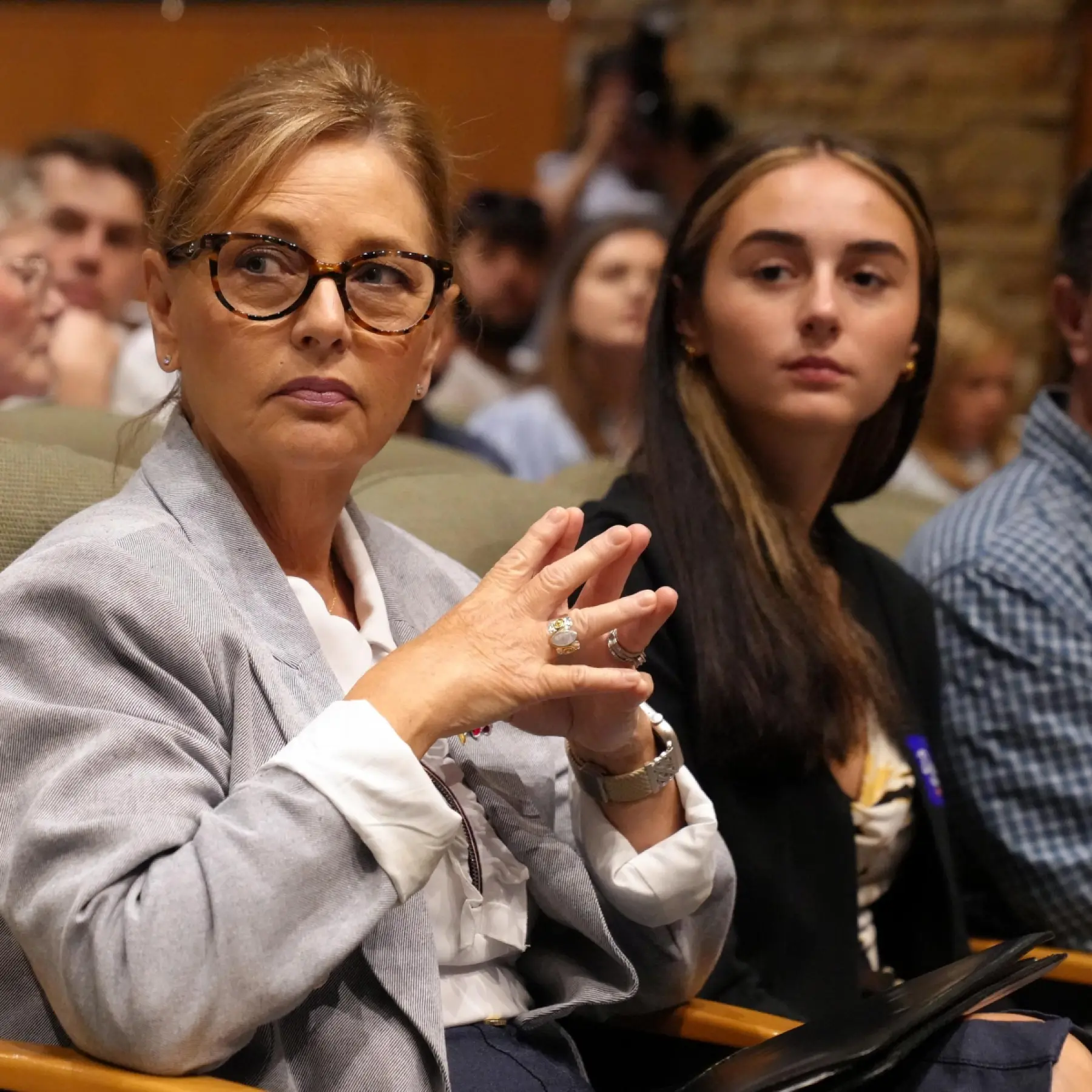
Hunter Biden says father’s cancer has spread, questions pardon
Hunter Biden said his father’s prostate cancer had spread into his bones and called the pain “very debilitating.” He also said Joe Biden’s pardon was no gift to the family.
Hunter Biden said his father Joe Biden’s prostate cancer had spread into his bones, describing the illness as “very debilitating” and “very painful” in a BBC Newsnight interview. The comments came as he also revisited the presidential pardon Joe Biden gave him in December 2024, while he was facing sentencing in two criminal cases.
Joe Biden’s pardon statement said his son had been “singled out” and called the cases a “miscarriage of justice.” Hunter Biden said the pardon was not good for the United States or for his father’s legacy, and he called himself “the most privileged person there is.” The interview put his father’s health and his own legal troubles in the same frame, with Hunter Biden describing the personal strain of both.
He also ruled out seeking elected office. In the interview, he said he would not run for public office and turned instead to his work helping others recover from addiction. That part of the conversation touched on the toll his own addiction took on the Biden family, a subject he has spoken about before. Hunter Biden described Joe Biden as the “centre of our family” and “our rock,” casting his father less as a former president than as the figure around whom the family remained organized.
The Biden interview unfolded alongside another major fight over presidential power in Washington. Donald Trump’s first-day executive order in January 2025 sought to deny citizenship to children born in the United States to undocumented migrants and temporary visitors, a direct challenge to the long-held understanding of the 14th Amendment. The case reached the Supreme Court as Trump v. Barbara, docket 25-365, after a nationwide class action brought by the ACLU, the ACLU affiliates in New Hampshire, Maine and Massachusetts, and the Legal Defense Fund.
The Supreme Court heard oral argument in the case on April 1, 2026, and issued an opinion on June 30, 2026. The legal fight turned on whether the Constitution’s citizenship guarantee, which the Brennan Center says has long been understood to cover anyone born on U.S. soil, can be narrowed by executive action. That question has kept birthright citizenship at the center of a broader struggle over the reach of presidential power and the citizenship status of children born in the United States.
This article was produced by Prism’s automated news system from verified source data, official records, and press releases, then run through automated quality and moderation checks before publishing. The system is built and supervised by the people who set the standards it runs under. Read our full AI policy.
Did this article answer your question?