Data center boom brings construction jobs, few permanent workers
Data centers can bring 1,500 workers to a site during construction, but a finished 250,000-square-foot facility may need only about 50 full-time workers. States are now rethinking the subsidies.
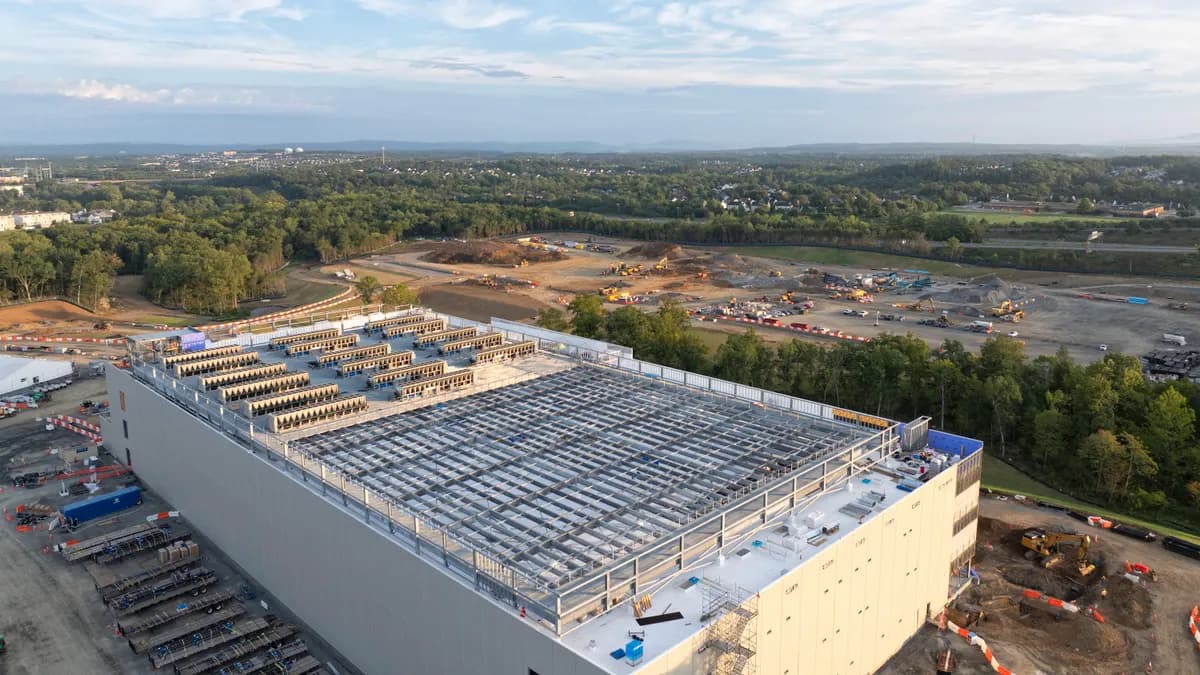
The nation’s data-center boom is putting electricians, plumbers and concrete crews to work, but the long-term payroll is far smaller than the building rush suggests. In Virginia, a 2024 review by the Joint Legislative Audit and Review Commission found that a typical 250,000-square-foot facility employs about 50 full-time workers once it opens, and about half of those jobs are contract positions. During peak construction, by contrast, as many as 1,500 workers can be on site, even though the build usually lasts just 12 to 18 months.
That mismatch is at the center of a growing policy fight. Brookings Institution said more than 100 local communities have enacted moratoriums on data centers, while more than 300 state bills targeting the industry were filed in the first six weeks of 2026. Virginia, Georgia and Oklahoma are among the states reconsidering tax incentives, even as states collectively spend about $1.6 billion a year to lure these projects.
The economic case for the industry is real, but it is concentrated. A March 25 paper by Dany Bahar and Greg Wright found that data centers boost local information-sector employment by 22% and construction employment by 11% over five to six years, with total private employment rising 4% to 5%. The gains are driven by hyperscale facilities, while colocation sites show no significant employment effect. The same research found wage gains of 3% to 4% for both incumbent workers and new hires.

Virginia has become the clearest example of the boom’s scale and its limits. JLARC estimated the state’s data center industry supports 74,000 jobs, $5.5 billion in labor income and $9.1 billion in gross domestic product a year, but said most of the benefit comes during construction rather than operations. Northern Virginia is now the world’s largest data center market, with 13% of reported global operational capacity and 25% of capacity in the Americas. Its 250-plus data centers handle roughly 70% of global internet traffic.
The broader costs are driving the backlash. In the PJM grid region, power supply costs jumped from $2.2 billion to $14.7 billion in a single year, and data centers accounted for nearly two-thirds of that increase. Residential electricity rates in the United States rose about 32% from July 2020 to July 2025. Against that backdrop, data centers are competing with factories and manufacturing plants for electricians and plumbers at a time when about 400,000 skilled trade jobs remain unfilled nationwide, a shortage Deloitte and the Manufacturing Institute say could approach 2 million by 2033.
This article was produced by Prism’s automated news system from verified source data, official records, and press releases, then run through automated quality and moderation checks before publishing. The system is built and supervised by the people who set the standards it runs under. Read our full AI policy.
Did this article answer your question?

%3Amax_bytes(150000)%3Astrip_icc()%2FCertificate-of-deposit-2301f2164ceb4e91b100cb92aa6f868a.jpg&w=1920&q=75)
