Díaz-Canel urges dialogue with U.S., says Cuba will defend itself
Díaz-Canel called for talks with Washington in his first U.S. TV interview, but warned Cuba was ready to defend itself as tensions with Trump escalated.
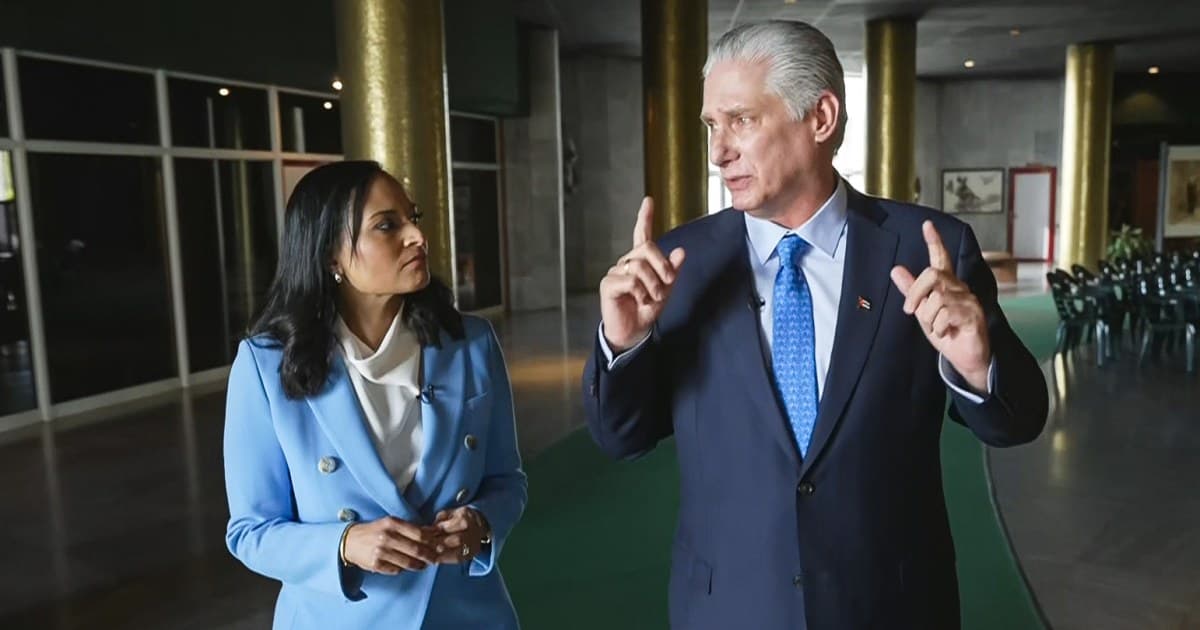
Miguel Díaz-Canel used his first-ever interview on American television to call for dialogue with Washington while warning that Cuba was ready to defend itself. In the NBC News exchange with Kristen Welker, the Cuban president said Havana had asked Donald Trump’s administration to engage without demanding changes to Cuba’s political system or attaching other conditions.
The message was blunt on two tracks at once: openness to negotiation, and refusal to yield under pressure. Díaz-Canel said he would not step down if pressed by U.S. officials, and he tied his leadership to a mandate from the Cuban people. That line was aimed as much at domestic legitimacy as at the White House, reinforcing the government’s claim that outside pressure cannot decide Cuba’s political future.
The warning landed in a country already under severe strain. Cuba is in the middle of a deep economic and energy crisis, and Al Jazeera has described the island as facing one of the worst humanitarian crises in its history. Time has framed the same turmoil as a serious economic, energy and political emergency, a backdrop that makes any escalation with the United States more dangerous for ordinary Cubans who already face shortages and instability.
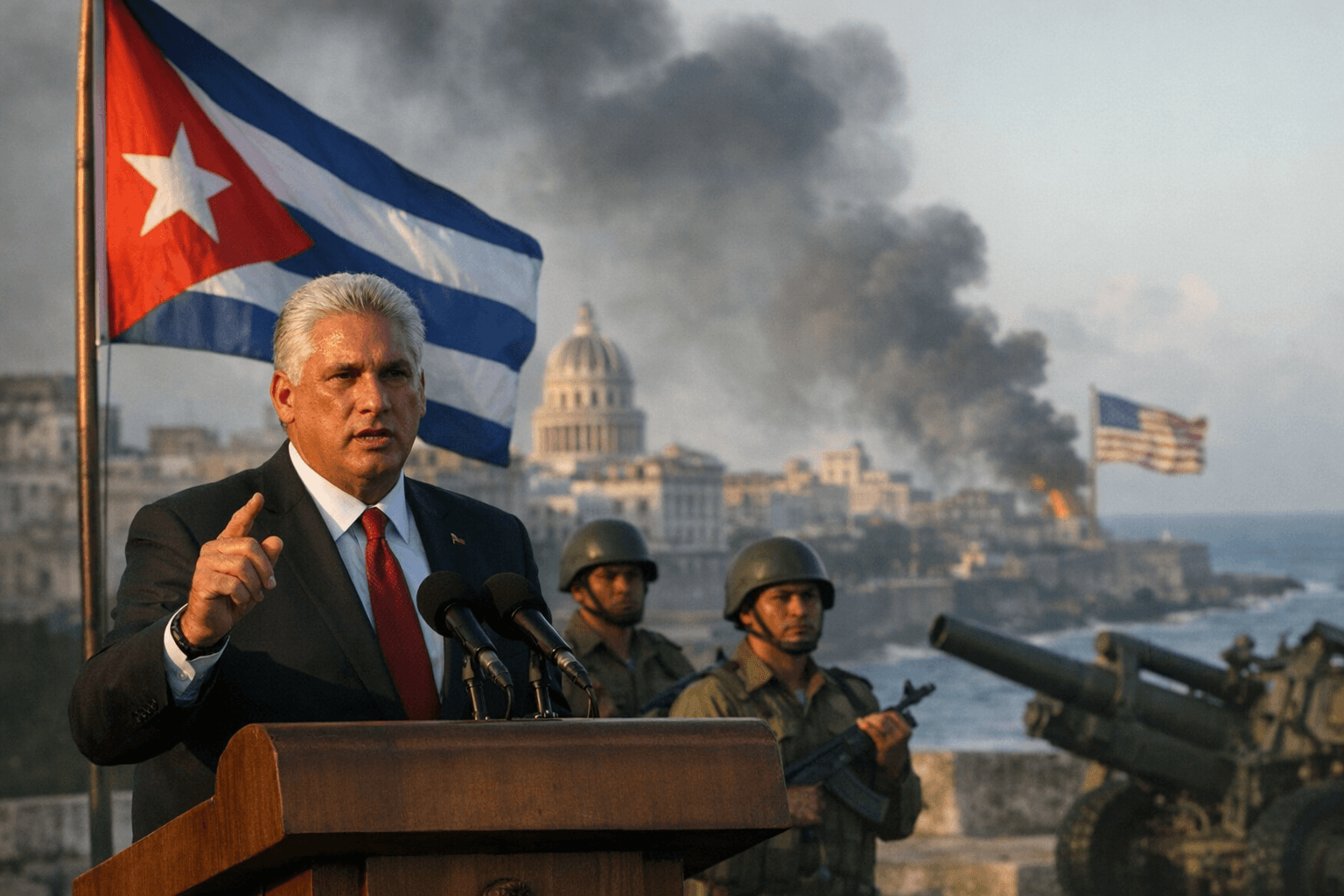
At the same time, the rhetoric pointed to a familiar and still volatile relationship. Earlier reporting said Díaz-Canel warned on X that any external aggressor would meet “impregnable resistance,” and some coverage said Cuba could answer an attack with guerrilla-style resistance. Radio Guantánamo said Díaz-Canel described Cuba as a country of peace that does not fear war, underscoring how Havana has tried to project defiance without explicitly announcing a military shift.
The gap between words and reality remains wide, but not meaningless. Cuba’s long confrontation with Washington has been shaped by the U.S. embargo, disputes over sovereignty and repeated clashes over regime change. Díaz-Canel’s comments suggested Havana sees Trump’s posture as another round of pressure politics, one meant to signal toughness for domestic audiences in both countries. Whether that becomes a real break in bilateral risk will depend less on television warnings than on whether either side moves from threat to action.
This article was produced by Prism’s automated news system from verified source data, official records, and press releases, then run through automated quality and moderation checks before publishing. The system is built and supervised by the people who set the standards it runs under. Read our full AI policy.
Did this article answer your question?