DB Ventures sues Coty over alleged Beckham fragrance deal breaches
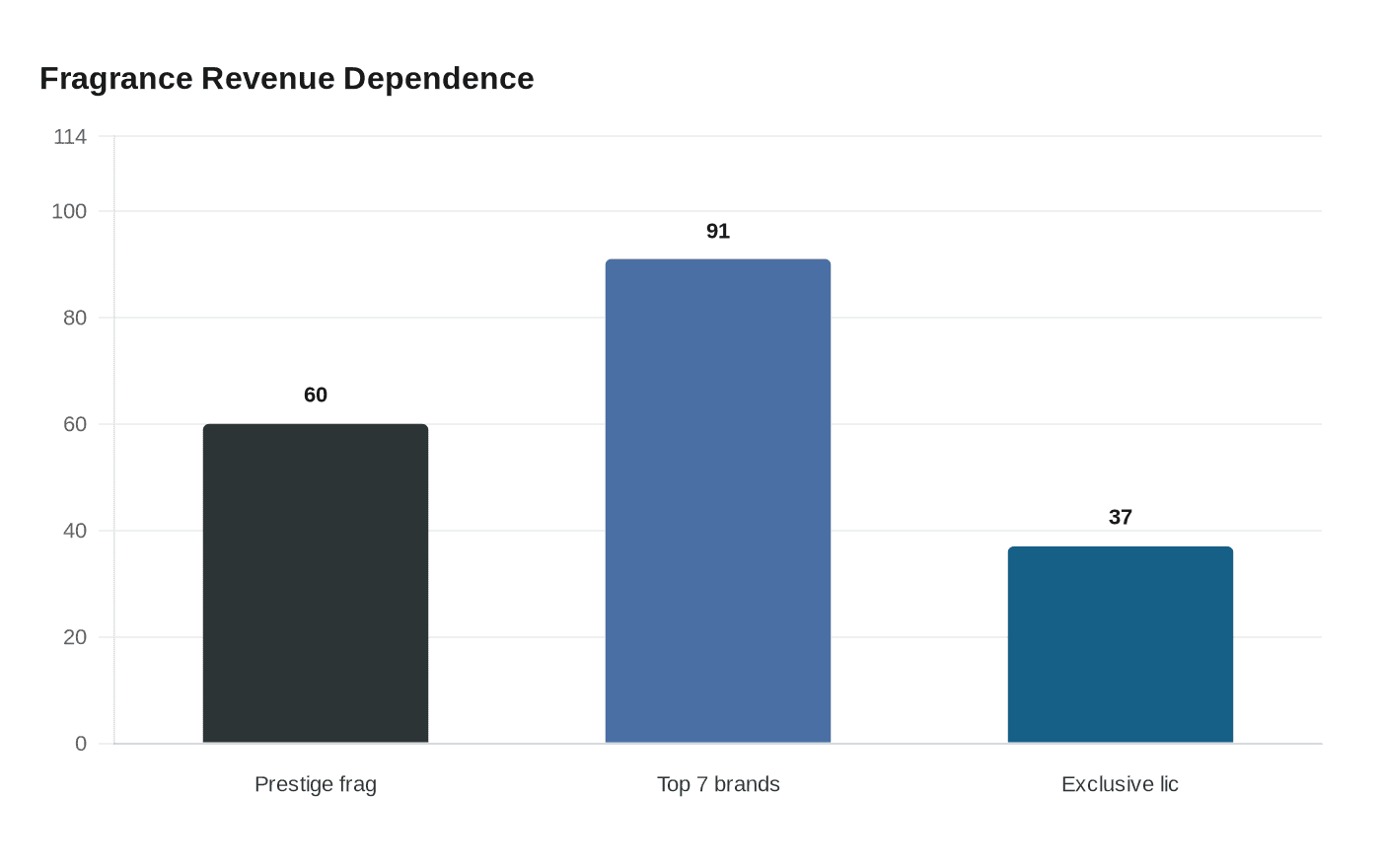
DB Ventures’ lawsuit adds fresh legal pressure to Coty’s fragrance engine, where 60% of sales came from prestige perfume and 91% of that came from seven brands.

Coty’s perfume business, long the company’s most important revenue driver, came under fresh pressure as DB Ventures sued over alleged breaches of the David Beckham fragrance licensing agreement. The complaint raises more than a celebrity-brand dispute: it tests how much strain Coty can absorb in a business built on long-dated partnerships, concentrated brands and high-stakes licensing deals.
The Beckham label has been part of Coty’s portfolio since 2005, when Beckham launched Instinct, and Coty still describes David Beckham Fragrances as part of its consumer brand lineup. But the legal fight comes at a sensitive moment for a company that said about 60% of its fiscal 2025 net revenues came from prestige fragrance, with about 91% of that prestige-fragrance revenue coming from just seven brands. Coty also said products representing 37% of fiscal 2025 sales were sold under exclusive license agreements with remaining terms spanning seven to 25 years, underscoring how much of the group depends on contracts that can be disrupted if relationships sour.
That makes the Beckham case potentially significant well beyond one fragrance line. David Beckham remains one of the most marketable names in celebrity beauty, sitting at the intersection of fashion, grooming and mass consumer appeal. A public breach dispute can complicate revenue visibility, weaken bargaining power in future negotiations and force management to spend more time defending existing agreements rather than expanding the portfolio.

The lawsuit landed as Coty was already going through leadership changes. The company named Markus Strobel executive chairman and interim chief executive officer effective January 1, 2026, after Sue Nabi stepped down following a five-year tenure. Coty said Strobel arrived after 33 years at Procter & Gamble and had led major beauty and fragrance businesses, while Nabi had overseen the launch of Burberry Goddess and reduced Coty’s financial net leverage to about 3x. Those shifts were meant to steady the company; instead, the Beckham dispute adds another sign of stress in a turnaround that still depends heavily on fragrance execution.
The timing is also awkward because the Beckham license is already in transition. Interparfums announced on January 28, 2026, that it had secured the David Beckham fragrance rights from Authentic Brands Group, with the deal set to take effect on April 1, 2028. Interparfums said it expected first-year Beckham sales of about $50 million once it assumes the license. That means Coty is defending a business relationship it has held for two decades even as the market prepares for a handoff.
For Coty, the legal battle is less an isolated brand quarrel than a reminder that its fragrance model is only as durable as the contracts behind it. With prestige fragrance still carrying most of the load, any fracture in a marquee license becomes a warning sign for the broader portfolio.
This article was produced by Prism’s automated news system from verified source data, official records, and press releases, then run through automated quality and moderation checks before publishing. The system is built and supervised by the people who set the standards it runs under. Read our full AI policy.
Did this article answer your question?