Fuel Costs and Middle East Disruptions Threaten Japan’s Sento Bathhouses
A Middle East shock is pushing up fuel bills at Japan’s sento, where about 30% still burn oil and some owners are cutting hours or closing for good.
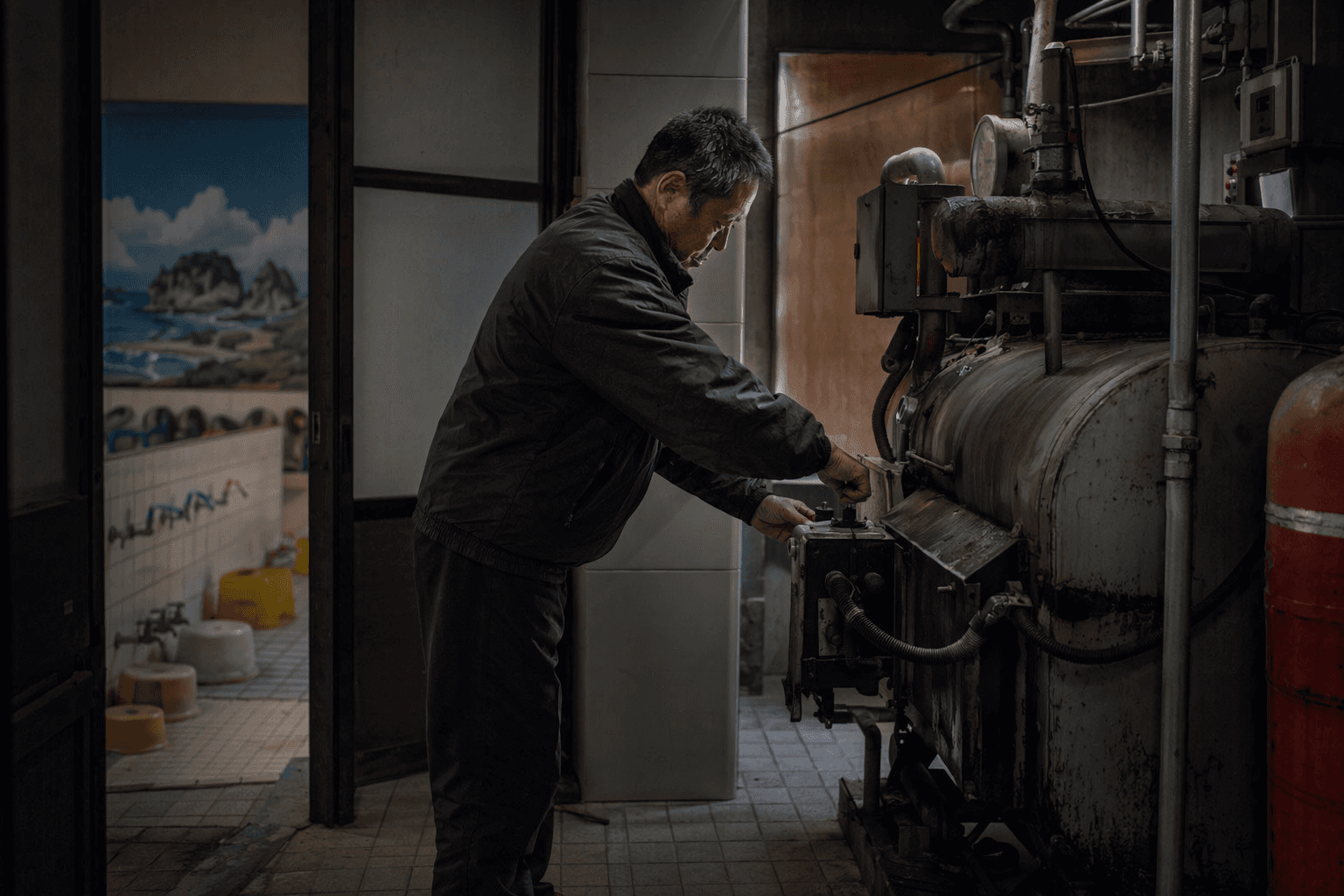
A distant conflict is landing in one of Japan’s most local institutions: the neighborhood sento, where rising fuel costs are squeezing bathhouses that still serve as a daily lifeline for older residents. About 30 percent of sento continue to rely on fuel oil or gas boilers, and for operators that cannot freely raise prices, the shock from higher energy costs has become an immediate threat.
Japan’s public bathhouses have been shrinking for decades, and the latest pressure is hitting a sector already far smaller than it once was. The Japan National Sento Association says the country had about 1,562 bathhouses in 2025, down from a peak of 17,999 in 1968. Their fees are capped by prefectural governors under postwar anti-inflation controls, which limits how much of the cost surge can be passed on to customers even as fuel prices climb.
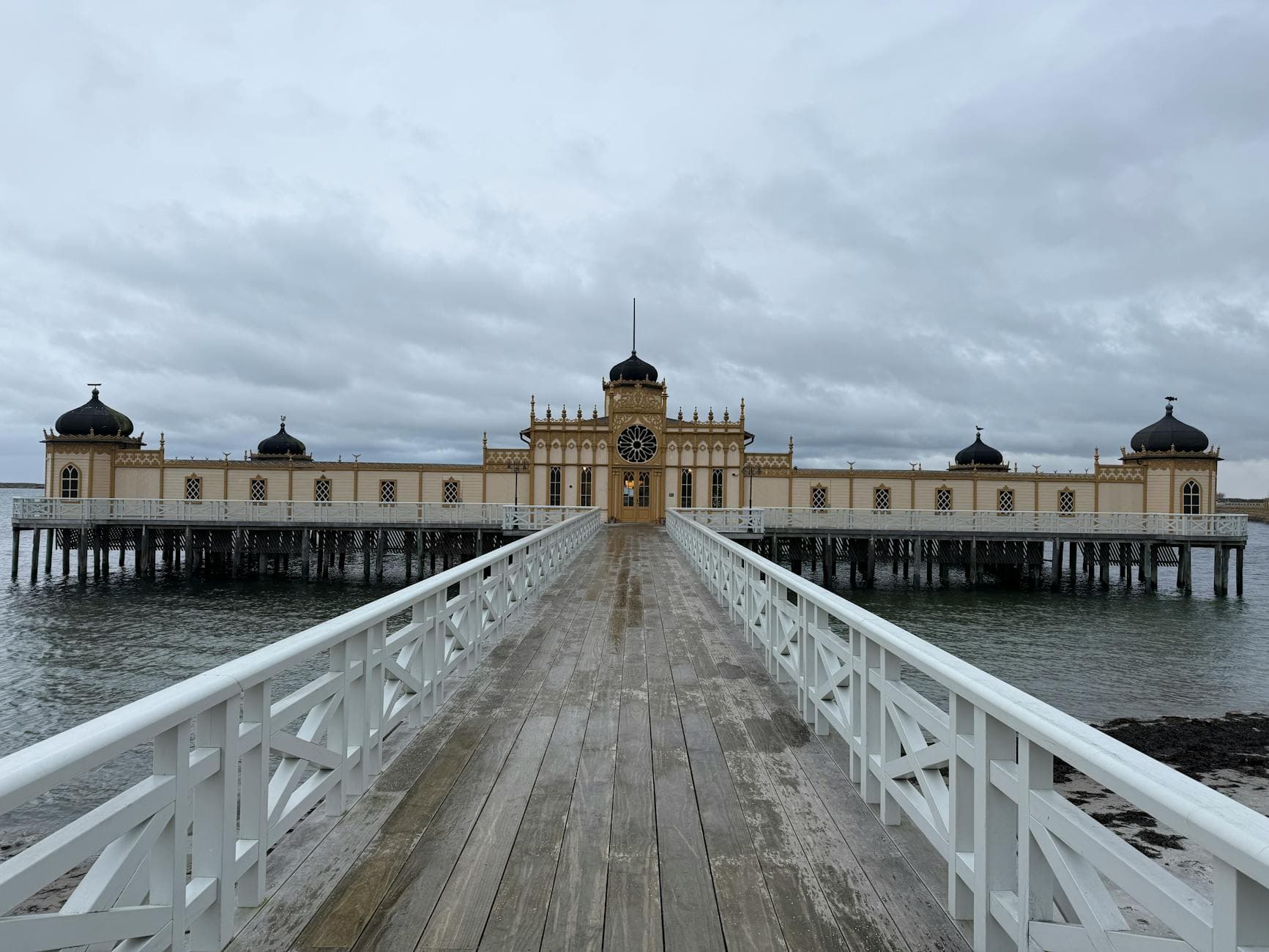
The strain is visible at the level of individual bathhouses. Ikesu Onsen, a family-run sento founded in 1919 in Tsushima, Aichi Prefecture, delayed opening by an hour in late March because its fuel-oil supply was unstable. Its monthly delivery was cut to about half a ton from about a ton, and the bathhouse said it was seeing about 10 fewer customers a day. In Aomori, Katsuragi Onsen said it would close at the end of May because fuel costs had made operations unsustainable.
Industry officials took the crisis to ruling Liberal Democratic Party lawmakers on April 9, saying heavy oil prices had risen to 1.4 to 1.5 times previous levels. Teikoku Databank said on April 11 that more than 60 percent of operators were reporting worsening performance, with industry sales projected to fall to about ¥27 billion from ¥49 billion the previous year. The share of companies reporting declining profits rose to about 30 percent, the first time in eight years that figure had reached that level. Jiji Press also reported that expected fuel-oil prices in early April were about 40 percent higher than in the second half of March.
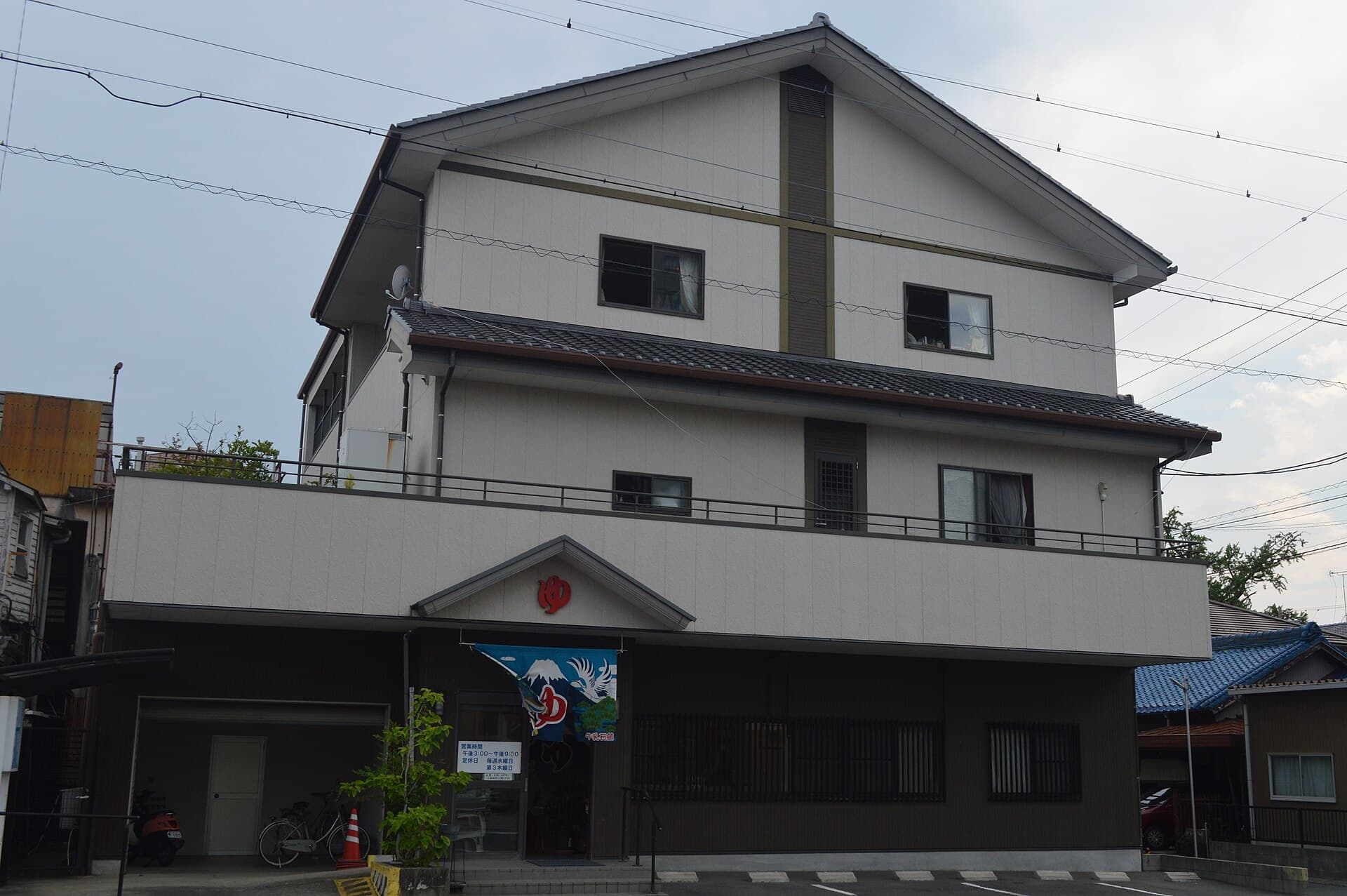
The pressure matters because sento are more than a business line on an energy bill. Asahi reported in 2025 that some closed bathhouses had been reborn as cafes, izakaya, welfare services, or day-care centers, including Bara-no-Yu in Matsumoto. That shift reflected a basic fact of Japanese life: for older people who may struggle to bathe safely at home, the sento is not just a bath, but part of the local care network.
This article was produced by Prism’s automated news system from verified source data, official records, and press releases, then run through automated quality and moderation checks before publishing. The system is built and supervised by the people who set the standards it runs under. Read our full AI policy.
Did this article answer your question?
%3Amax_bytes(150000)%3Astrip_icc()%2FCertificate-of-deposit-2301f2164ceb4e91b100cb92aa6f868a.jpg&w=1920&q=75)