Dcubed to 3D‑print 60‑cm boom on SpaceX Twilight rideshare
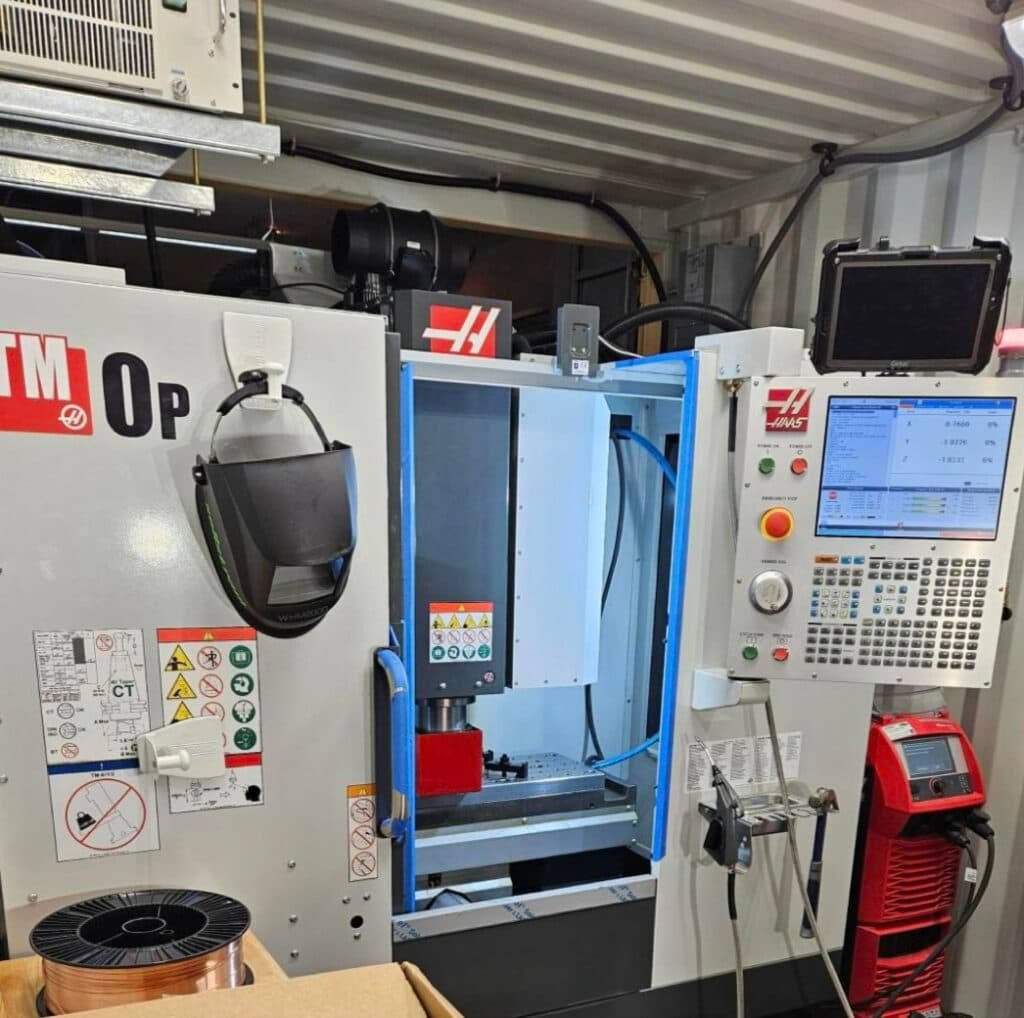
Dcubed flew an in-space 3D printing demonstrator on SpaceX's Twilight rideshare, aiming to print a 60-cm boom in orbit. This validates building larger structures after launch and reduces stowed size.
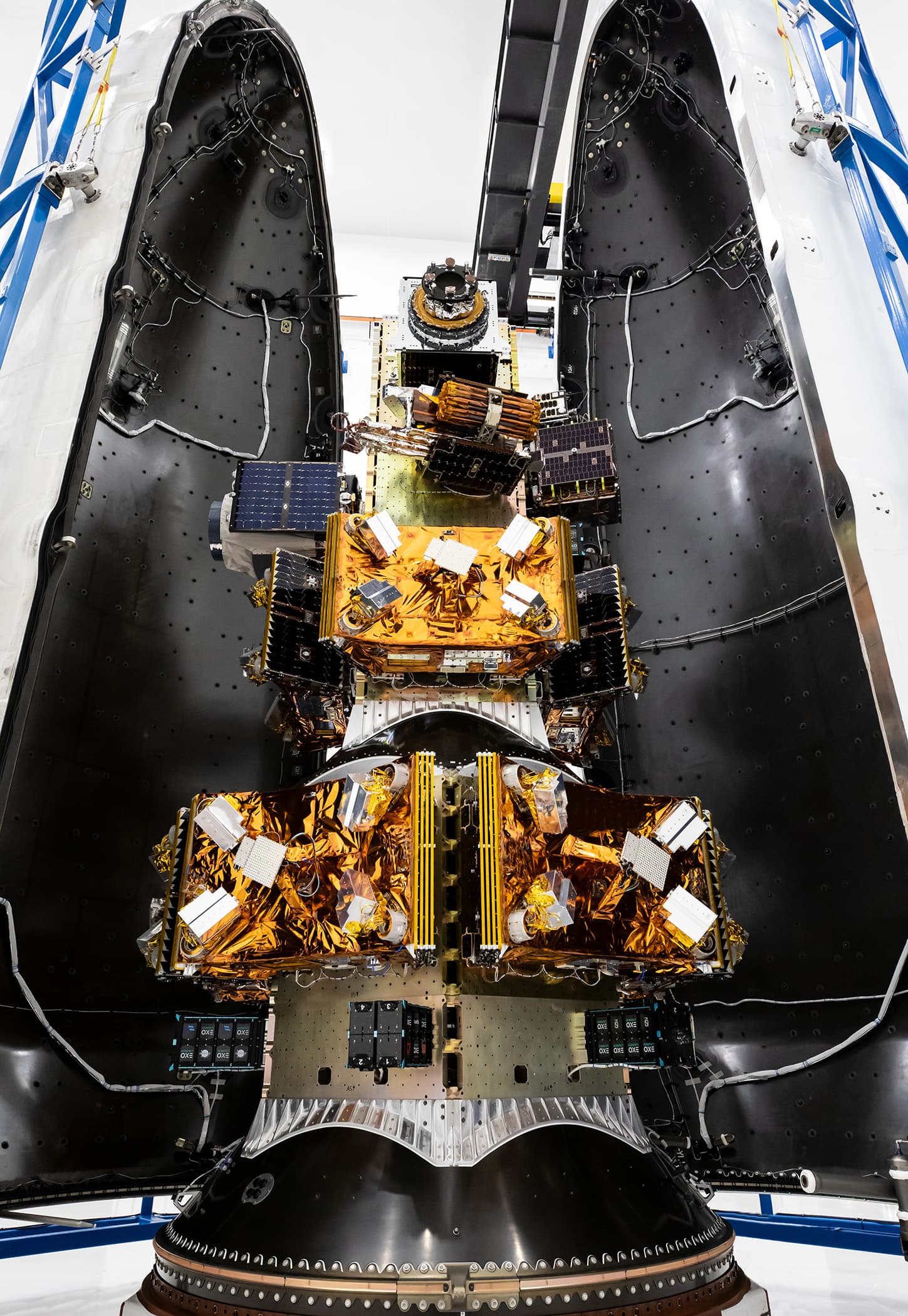
Dcubed launched ARAQYS-D1 as part of SpaceX's inaugural Twilight rideshare, a Falcon 9 mission that carried roughly 40 small payloads and deployed a mix of NASA science instruments and CubeSats. The ARAQYS-D1 payload aims to 3D-print a 60-cm boom in orbit, testing the company's approach of fabricating larger structures after launch rather than folding them to fit inside a launch fairing.
Printing structural elements on orbit changes the trade-offs designers face. By shifting volume from the ground to space, teams can reduce packed mass and complexity at launch, avoid intricate folding or deployment mechanisms, and potentially iterate on designs with in-orbit testing. For makers and small-scale AM developers watching the space sector, that means terrestrial prototyping and flight hardware could diverge: flight units will emphasize printability and in-space assembly features rather than compact stowage geometry.
Spaceborne additive manufacturing brings engineering challenges that will matter to the community. Microgravity, thermal management, curing or solidification of materials, and the need to verify structural integrity in a vacuum environment all influence material selection, print-path strategies, and part orientation. Flight demonstrations such as ARAQYS-D1 provide crucial data on those constraints and let designers move from theory to validated practice.
The Twilight rideshare itself underscores another trend: increasing access to low-cost orbital flight for technology demonstrations. With about 40 small payloads on this mission, experiments that once required bespoke rides or large budgets can now hitch a ride alongside NASA science packages and commercial CubeSats. That cadence will make it routine for startups and research groups to qualify new AM approaches in orbit.

ARAQYS-D1's target, a 60-cm boom, is a modest but meaningful step. If successful, it helps bridge the gap between small demonstrators and larger on-orbit manufactured components, like deployable solar arrays or structural beams that exceed a single fairing's dimensions. For 3D printing practitioners, the result could open markets for space-rated filaments, metal inks, extruder designs, and verification tools tuned to orbital conditions.
The immediate takeaway: in-orbit printing is moving from lab curiosity to operational experiment. Expect more AM payloads on future rideshares and a growing library of flight-validated techniques that hobbyists and small shops can study and adapt. Watch mission telemetry and technical releases from these demonstrations for the practical lessons that will inform the next generation of space-capable printers and parts.
Sources:
Know something we missed? Have a correction or additional information?
Submit a Tip