De Beers sale nears as Anglo American eyes deal in weeks
De Beers could change hands within weeks as Anglo American presses to exit a diamond unit hit by weak demand, lab-grown competition and a $2.9 billion writedown.
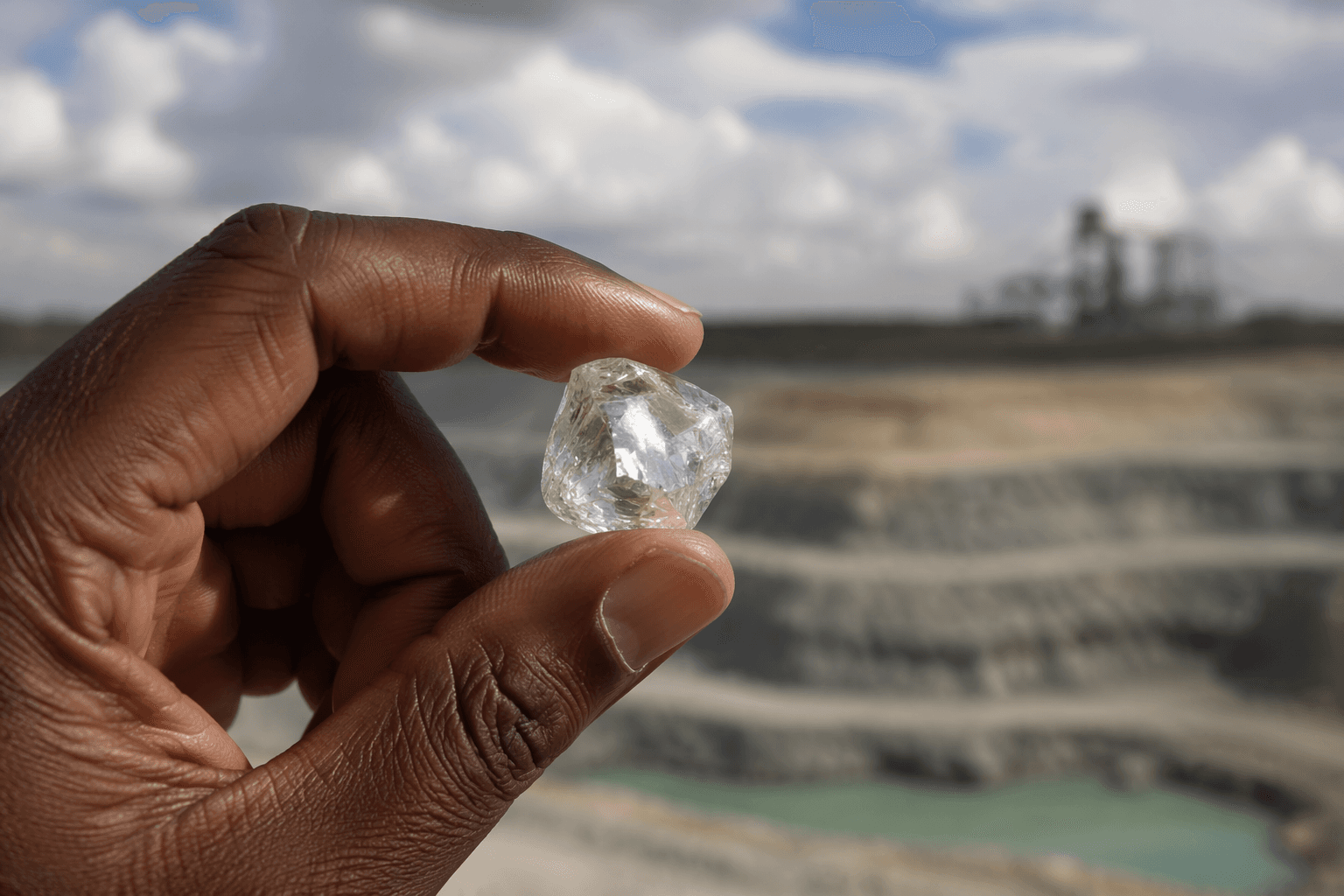
De Beers’ long-running sale process moved closer to the finish line on June 16, after chief executive Al Cook said in London that a deal could land “in weeks rather than months.” Speaking at the Reuters NEXT Europe conference, Cook said the negotiations were maturing and that De Beers had “never been closer” to a sale, sharpening expectations that Anglo American’s exit from one of the diamond industry’s most famous names is nearing a decisive moment.
The timing matters because De Beers is no ordinary asset. Anglo American put the business up for sale in May 2024 as part of a wider restructuring, and the miner owns 85% of the unit. The company has been trying to separate De Beers while it reorders its portfolio toward copper and premium iron ore, two businesses that fit more neatly with the push toward electrification and higher-margin metals.
The diamond business, by contrast, has been under strain. De Beers said difficult trading conditions cut 2024 revenue by 23% to $3.3 billion, while rough diamond sales fell 25% to $2.7 billion. Total rough diamond sales volumes dropped 28% to 17.9 million carats, and production declined 22% to 24.7 million carats. De Beers blamed weak demand in China and caution among U.S. retailers, a reminder that the market for natural diamonds has lost some of the pricing power that once made the category look untouchable.
Anglo American has already marked down the asset. In its 2024 results, it reduced De Beers’ carrying value by $2.9 billion, reflecting worsening market conditions and industry-specific headwinds. That write-down underlines how much sentiment around the sector has shifted, with lab-grown stones taking a bigger share of the jewelry market and forcing miners to rethink the economics of scarcity and branding.
Any buyer will also have to weigh the politics. De Beers operates in Botswana, Namibia, Angola, South Africa and Canada, tying the sale to governments and communities across the supply chain. Botswana has publicly sought a controlling or majority stake, and the country’s interest reflects how strategically important diamonds remain to its economy. Reports have also pointed to financing discussions with partners in the Gulf, suggesting that any deal may involve a mix of commercial and political ambitions rather than a simple corporate auction.
For Anglo American, a sale would clear the last major obstacle in a portfolio shake-up already aimed at repositioning the group around copper and premium iron ore. For De Beers, a buyer would inherit a global luxury brand facing weaker demand, tougher competition and a far less forgiving pricing environment than the one that once defined the industry.
This article was produced by Prism’s automated news system from verified source data, official records, and press releases, then run through automated quality and moderation checks before publishing. The system is built and supervised by the people who set the standards it runs under. Read our full AI policy.
Know something we missed? Have a correction or additional information?
Submit a Tip