Deadly Congo rumor of genital atrophy fuels mob violence, kills 17
A rumor that a handshake could make men’s genitals vanish sparked killings in Congo’s Tshopo province, with the death toll now at least 17.
A false rumor that a simple handshake could make a man’s genitals “disappear” spread from villages in Congo’s Tshopo province into social media, then into mob violence that has left at least 17 people dead. The chain of panic exposed how quickly medical misinformation can turn lethal when trust in institutions is thin and official messages arrive too late.
The World Health Organization’s Africa Infodemic Response Alliance flagged the claim in an October 1 to 15, 2025 report, describing deadly disinformation around “sexual atrophy” in Tshopo. The rumor moved through local communities, then took off online, where frightened residents and opportunists helped turn a bizarre claim into a public safety emergency. Elodie Ho, who leads the alliance in Nairobi, said misinformation “really led to death and murder.”
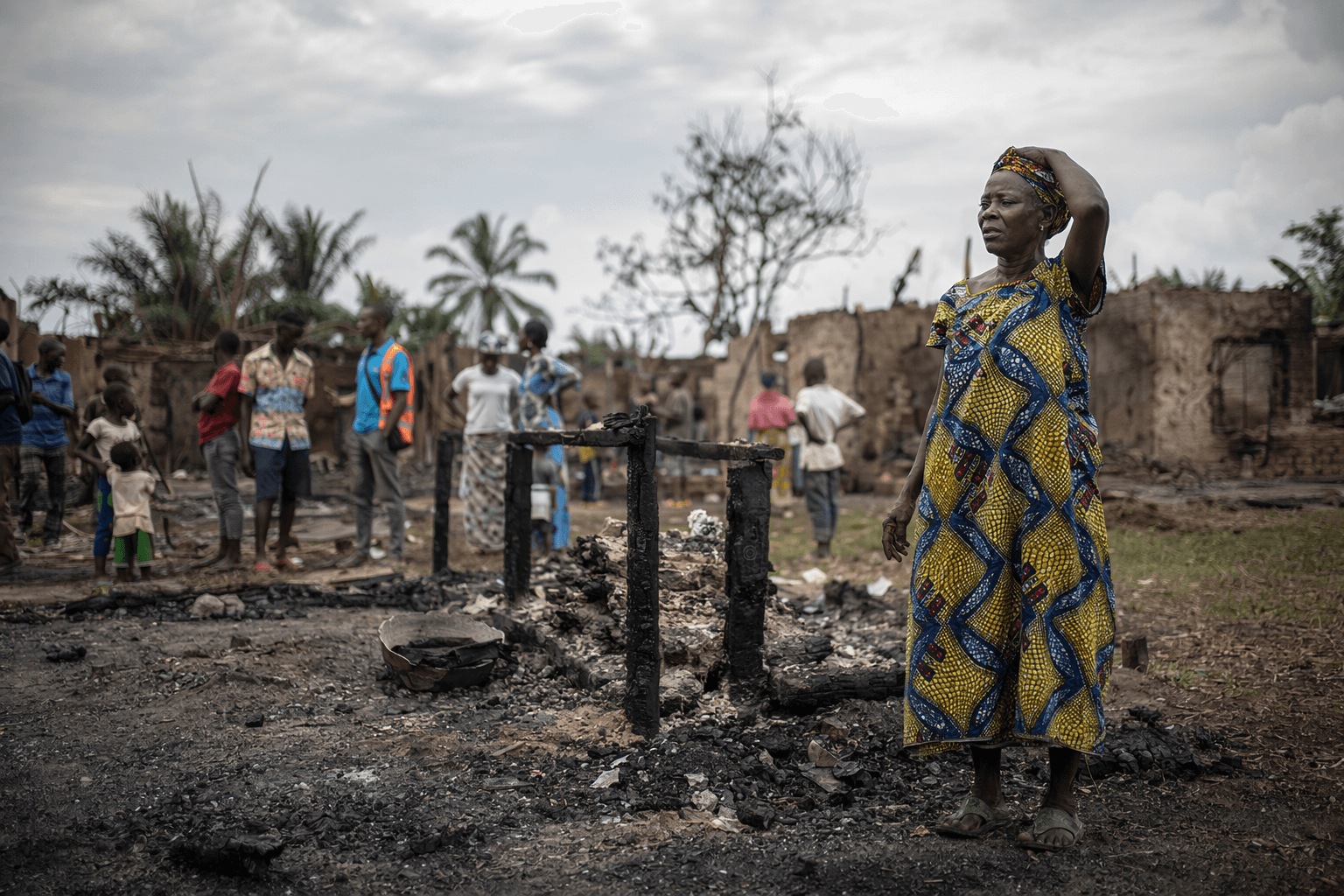
Reuters reported that four health workers conducting vaccination research were attacked and killed in one episode in October, and that the total number of killings tied to the rumor had climbed to at least 17, according to the alliance. One early warning reached Dr. Bavon Tangunza, the alliance’s Congo manager, in early October after a colleague flagged the rumor spreading in the province. From there, the story accelerated across Kisangani, where churches also helped amplify it through videos and testimonies that drew hundreds of thousands of views.
Some of those videos featured pastors and worshippers claiming prayer had cured supposed victims, deepening fear in communities already wary of outside health workers. In Tshopo, local reporting identified two of the slain health workers as Dr. John Tangakeya, an epidemiologist and head of the Makiso epidemic treatment center, and Dr. Placide Mbungi, attached to the Kisangani School of Public Health. Digital Congo reported that both men were lynched and burned alive on October 6, 2025, in Ilambi, in Isangi territory.
The killings also triggered institutional backlash. Digital Congo reported that the provincial medical council, COPROM, called a two-day strike on October 13 and 14 in protest. The episode underscored a broader vulnerability in the Democratic Republic of Congo, where the WHO says misinformation can undermine trust in health authorities and prolong outbreaks. The country is already facing cholera, measles, vaccine-derived poliovirus, mpox and yellow fever, alongside conflict-driven displacement and severe strain on health facilities, including the collapse of much of the health system in North Kivu.
This article was produced by Prism’s automated news system from verified source data, official records, and press releases, then run through automated quality and moderation checks before publishing. The system is built and supervised by the people who set the standards it runs under. Read our full AI policy.
Did this article answer your question?


