Geneva’s diplomacy hub shrinks as UN agencies cut staff, move out
Palais Wilson is emptying out as more than 3,000 Geneva UN jobs vanish, a sign that multilateral diplomacy is losing ground.
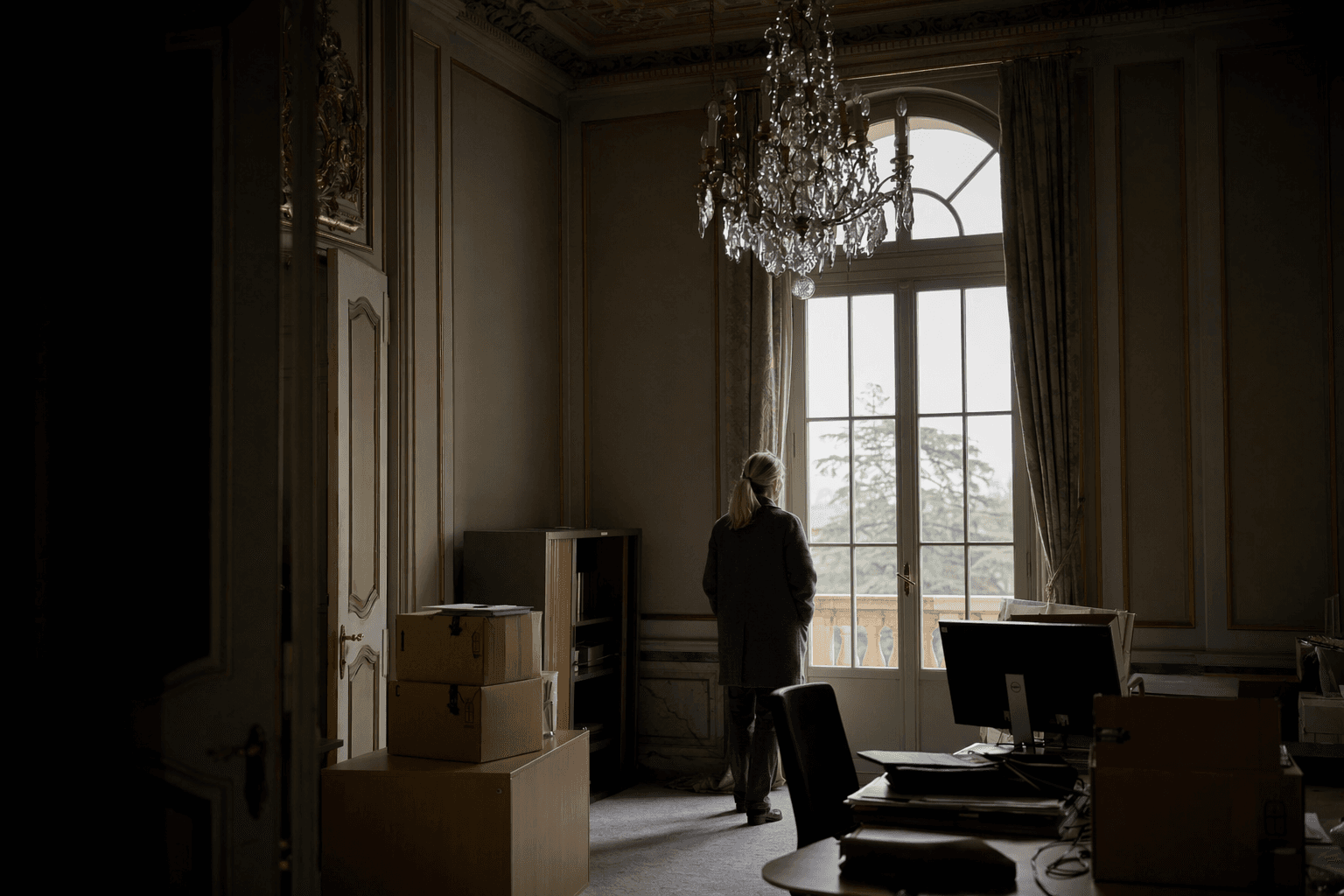
Palais Wilson, the 225-room building that first housed the League of Nations, is being vacated again as Geneva’s international quarter thins under budget pressure and U.S. retrenchment. The United Nations human rights office is moving out of the lakeside building and into the nearby Palais des Nations, a shift that captures how the city that once anchored the postwar order is losing some of its physical weight.
More than 3,000 Geneva-based jobs at the UN and other international organizations have been cut or transferred since 2025, including roughly a fifth of UN posts. The International Labour Organization has already given up two of its 11 floors in Geneva, UNICEF is moving about 70% of its 400 staff away from the city, and UNAIDS faces possible closure. The World Health Organization’s internal realignment points to staffing changes by June 30, 2026, after its Executive Board recommended trimming the proposed 2026-27 budget from US$5.3 billion to US$4.9 billion.
The shrinkage matters because Geneva is more than a set of offices. UN Geneva says it handles around 8,000 meetings a year and employs more than 1,300 Secretariat staff, making it one of the busiest conference centres in the world. As agencies leave or downsize, the city loses not only jobs and rent but also the everyday machinery of diplomacy: the back-to-back meetings, the corridor negotiations and the humanitarian coordination that often happen far from public view. In a system built on proximity, a smaller Geneva means fewer chances for countries and agencies to work through crises in the same room.
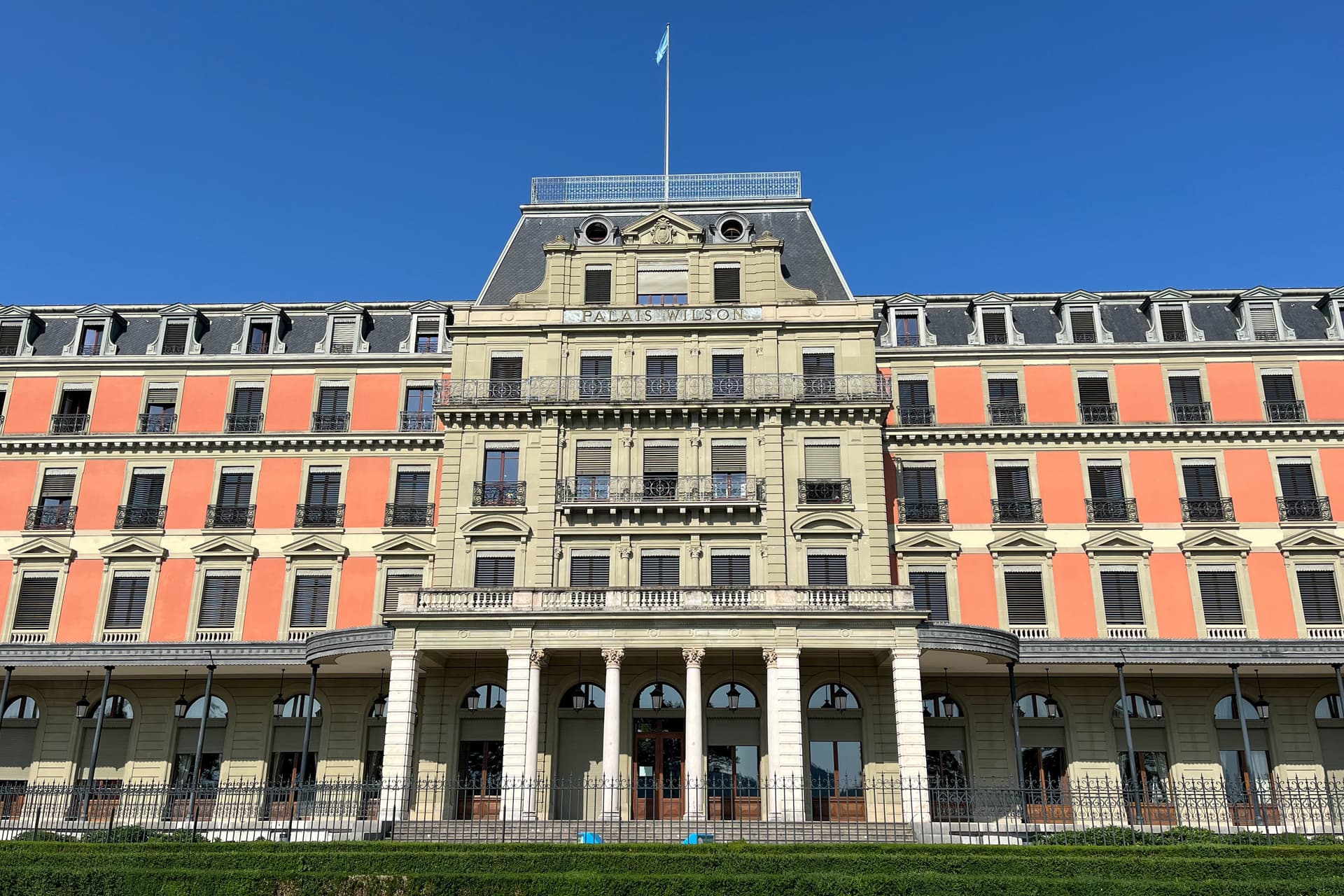
Palais Wilson itself is a reminder of how much history is being compressed into these moves. The League of Nations moved to Palais des Nations in 1937, leaving Palais Wilson behind. The building later fell into serious disrepair by the late 1980s and was damaged by fires in 1985 and 1987 before restoration. The ILO’s current headquarters, which opened in 1974, stands 11 floors high and has been a landmark of International Geneva since the organization arrived in 1920, after its wartime relocation to Montreal.
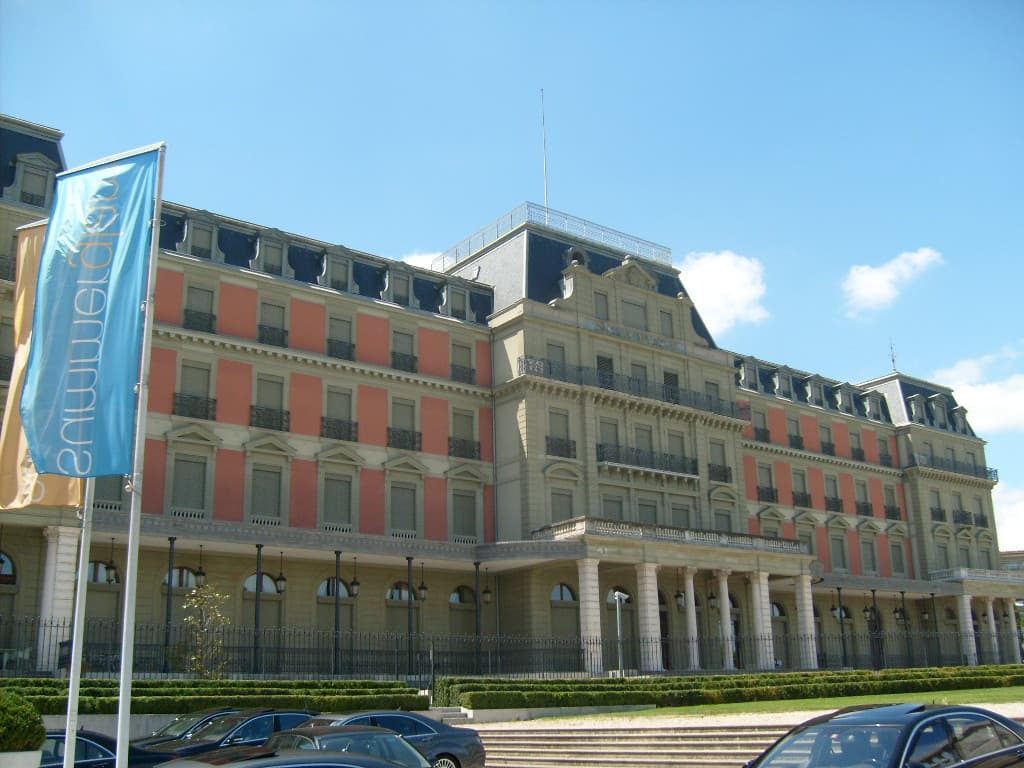
Swiss authorities are trying to slow the erosion. The Swiss federal government has announced support measures totaling CHF269 million for International Geneva, including a supplementary credit of CHF21.5 million, while the canton of Geneva and Fondation Wilsdorf have created the Fondation pour l’Adaptation de la Genève Internationale. Yet the pressure on the city’s institutional core is real, even as UN Geneva hosted a January 15, 2026 meeting on “Reshaping Multilateralism in an Era of Divides and Transformation.” Geneva remains the European headquarters of the United Nations, but its role as the capital of multilateralism is being pared back floor by floor.
This article was produced by Prism’s automated news system from verified source data, official records, and press releases, then run through automated quality and moderation checks before publishing. The system is built and supervised by the people who set the standards it runs under. Read our full AI policy.
Did this article answer your question?