Deadly new synthetic opioid spreads through East Tennessee overdose deaths
A Knoxville forensic lab traced cychlorphine, a synthetic opioid far stronger than fentanyl, after it surfaced in 41 deaths and kept slipping past most test kits.

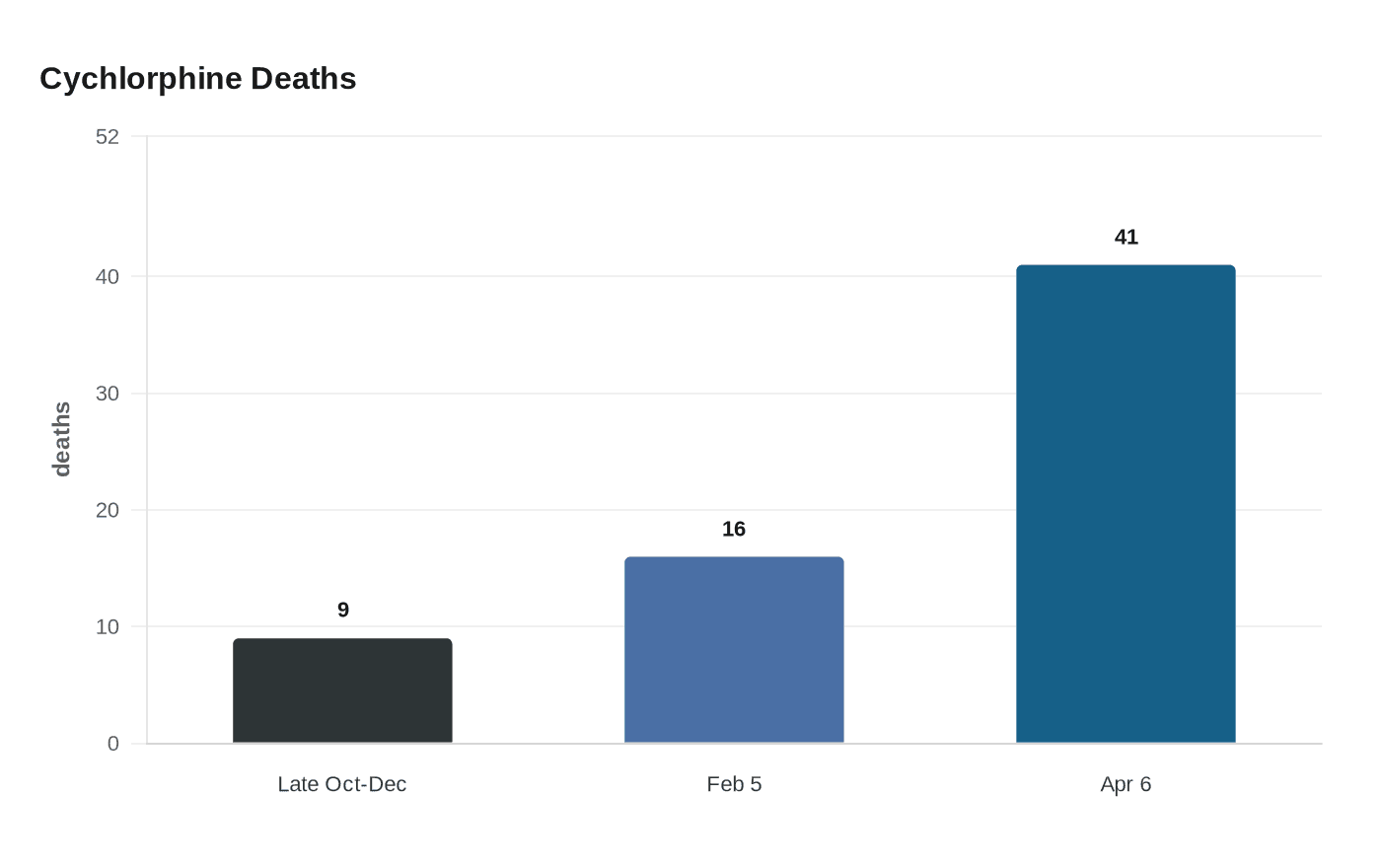
In Knoxville, a county medical examiner’s lab has become an early-warning system for a drug supply that keeps changing faster than many test strips can keep up. The Knox County Regional Forensic Center said the synthetic opioid cychlorphine had appeared in 41 deaths in Knox County and surrounding areas by April 6, with five more deaths still in an early notification process.
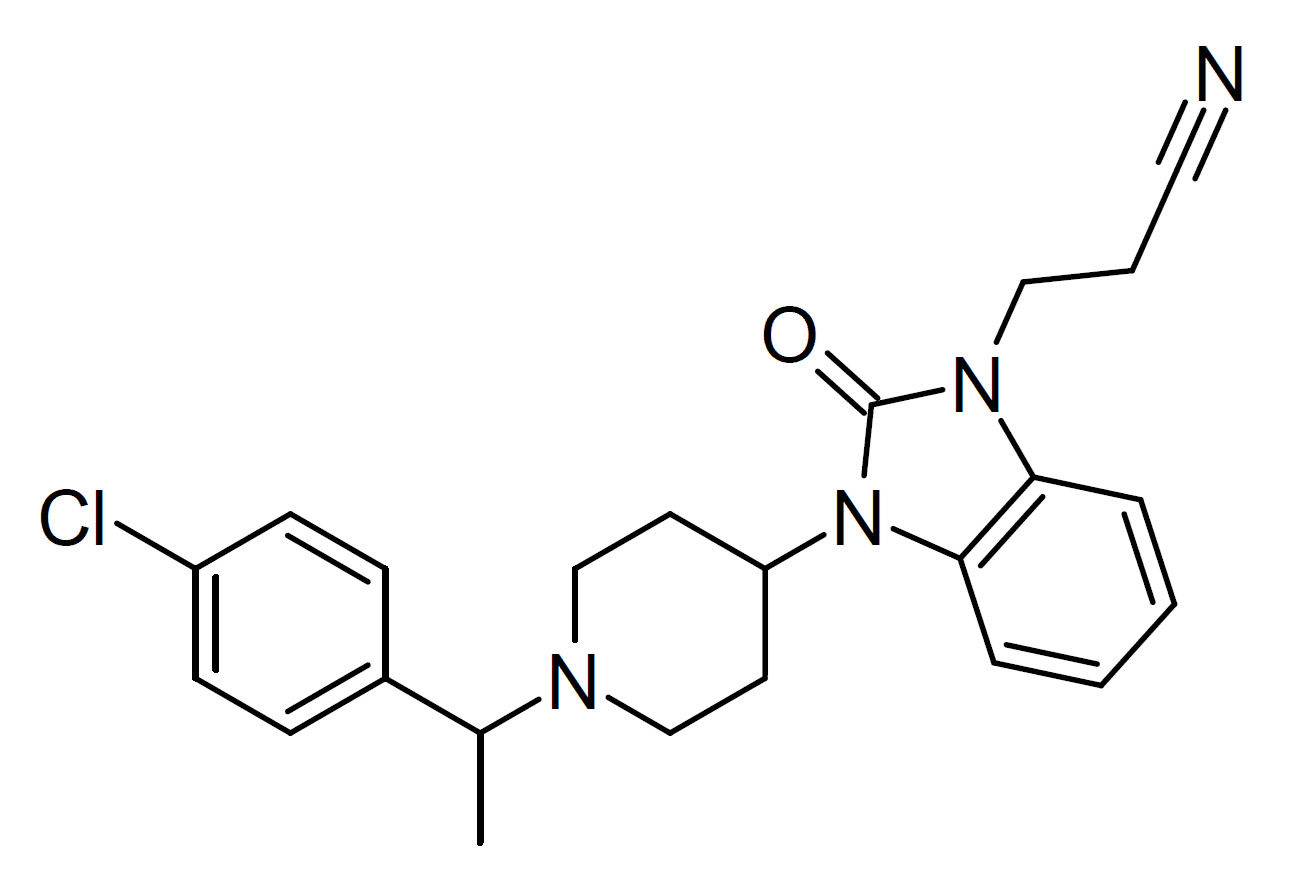
The drug, also called N-Propionitrile Chlorphine, first showed up in East Tennessee last summer and then moved quickly. Knox County officials said it was likely in the United States by late 2024, and the forensic center’s 2025 report traced its origins to China in 2024, then to Europe in the summer of 2025 before it reached East Tennessee late last year.
By Feb. 5, Knox County said cychlorphine had been tied to nine overdose deaths in late October through December and seven more by mid-January, for 16 deaths total. Officials described it as possibly 10 times as strong as fentanyl and said it was not detectable through most test kits, which makes the work of medical examiners central to tracking it before it disappears into a broader overdose count.
That is where Darinka Mileusnic-Polchan, Knox County’s chief medical examiner, has become pivotal. The forensic center says its mission is to provide real-time insight into spikes and unusual occurrences in drug-related deaths, and local reporting has credited the lab with identifying cychlorphine before many others knew it was circulating. In a drug market now filled with fentanyl mixtures and designer additives, naming the compound can change how quickly public-health alerts move, how emergency departments think about overdose care, and how other states recognize the same threat in their own cases.
The warning signs stretch beyond East Tennessee. The Centers for Disease Control and Prevention reported in 2022 that nitazenes, another class of powerful synthetic opioids, were created nearly 60 years ago as potential pain relievers but have never been approved for use in the United States. The CDC also said multiple naloxone doses may be required in nitazene overdoses because of their potency.
Federal drug specialists have also warned that newer synthetic opioids are complicating field testing. In February 2026, the United Nations Office on Drugs and Crime warned about rising nitazene and orphine analogues and their implications for test-strip use. Its April update said 12 countries reported 2,679 synthetic opioid samples between 2024 and 2026, with nitazenes often found in tablet form and orphine analogues often in powder form.
For Knox County, the response has been to keep documenting each death, each toxicology result, and each new pattern as it appears. That paper trail can do more than explain a local surge. It can give the rest of the country a head start on a drug that is already moving faster than the tools built to detect it.
This article was produced by Prism’s automated news system from verified source data, official records, and press releases, then run through automated quality and moderation checks before publishing. The system is built and supervised by the people who set the standards it runs under. Read our full AI policy.
Did this article answer your question?