Single dose of psilocybin linked to lasting brain changes, better well-being
A single 25-milligram psilocybin dose altered brain activity within an hour and left MRI changes a month later, with early insight predicting later well-being.
A single dose of psilocybin left measurable traces in the brain a month later, adding new evidence to a field moving from psychedelic buzz toward harder biological proof. In 28 healthy adults who had never taken a psychedelic before, researchers gave either 25 milligrams of psilocybin or a placebo, then tracked brain activity with EEG and MRI before, during and one month after treatment.
What “lasting brain changes” means in this study is not a permanent personality rewrite. It refers to shifts in neural activity and structure that persisted after the acute drug effects faded. About an hour after dosing, researchers detected higher brain entropy, a measure of more diverse neural activity. The greater that entropy, the more insight or emotional self-awareness participants said they felt the next day, and those reports predicted better well-being one month later.
That chain matters because it suggests the psychedelic experience itself may help drive the therapeutic effect, rather than serving only as a dramatic side effect. Taylor Lyons of Imperial College London said psilocybin appears to loosen stereotyped patterns of brain activity and help people revise entrenched patterns of thought. The study, published in Nature Communications, also found that one month after the dose, specialized MRI scans showed structural changes in white-matter pathways connecting the front and middle of the brain, with less diffusion than before treatment. That pattern runs opposite to what is often seen in aging brains.
The participants had no diagnosed mental health condition, which let scientists run a more intensive imaging protocol than would be typical in a patient trial. Still, the findings line up with earlier work from Imperial College in depressed patients, where psilocybin increased brain connectivity for weeks and those changes tracked with symptom improvement. A separate 2020 pilot in 12 healthy volunteers found reduced negative affect at one week, along with longer-lasting gains in positive affect and lower trait anxiety at one month.
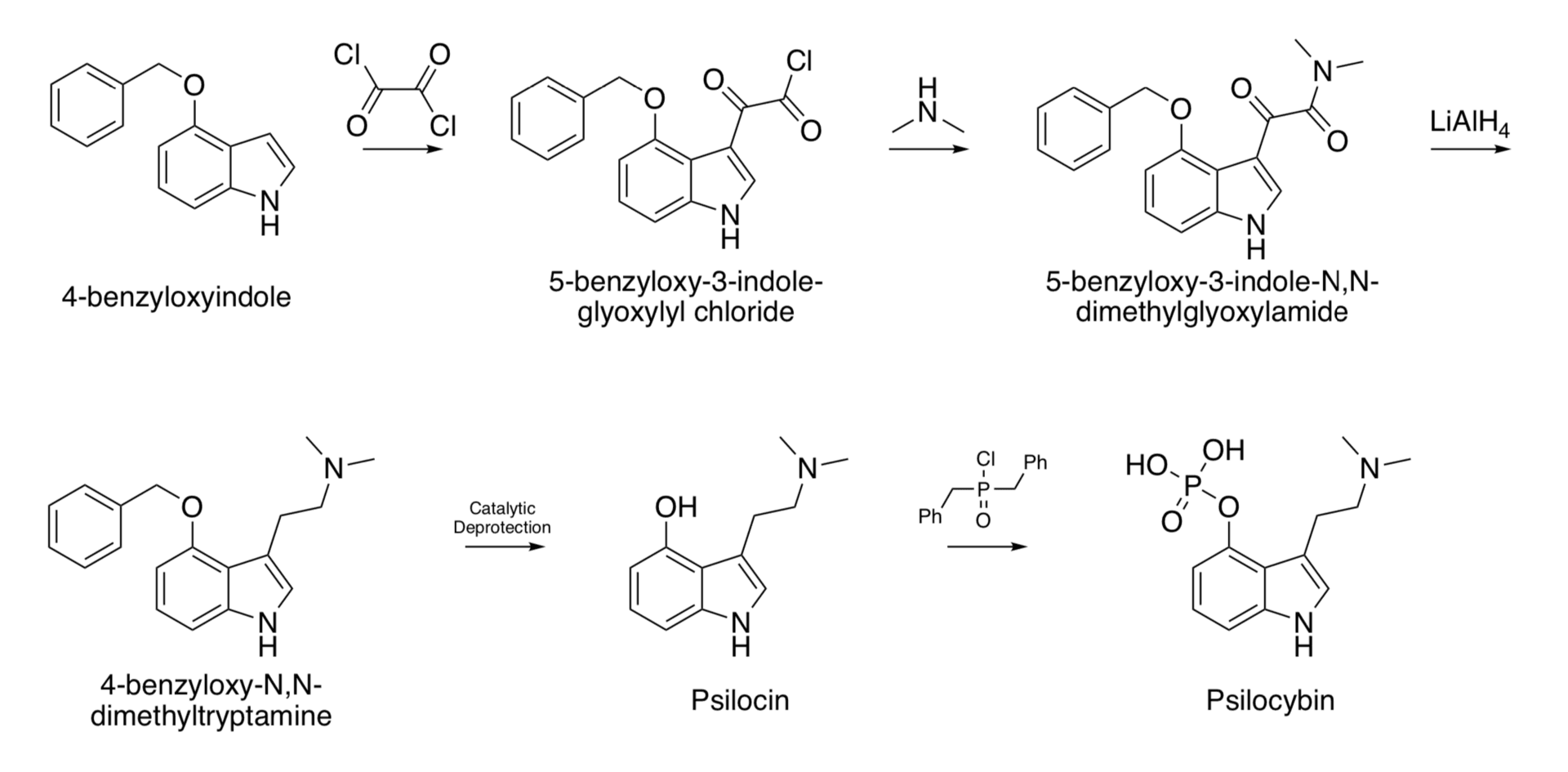
The science is advancing alongside regulatory momentum. On April 24, the U.S. Food and Drug Administration said it issued national priority vouchers to three companies studying psychedelic therapies, including programs aimed at treatment-resistant depression and major depressive disorder. The agency says the voucher program can shorten review times from 10 to 12 months to as little as one to two months. Compass Pathways said the same day that it received rolling review and a Commissioner’s National Priority Voucher for COMP360, its synthetic psilocybin, after reporting positive Phase 3 results in February.
For patients and clinicians, that is the central tension now: the data are stronger than hype, but not yet enough to settle dosing, durability, safety or who benefits most. The brain is changing, but the path from laboratory signal to mainstream treatment remains narrower and more politically charged than the headlines suggest.
This article was produced by Prism’s automated news system from verified source data, official records, and press releases, then run through automated quality and moderation checks before publishing. The system is built and supervised by the people who set the standards it runs under. Read our full AI policy.
Did this article answer your question?


