New Nepal study quantifies pollinators’ boost to nutrition and farm income
A Nepal study tied insect pollinators to diets and farm income, adding fresh numbers to a crop system worth $477 million a year.
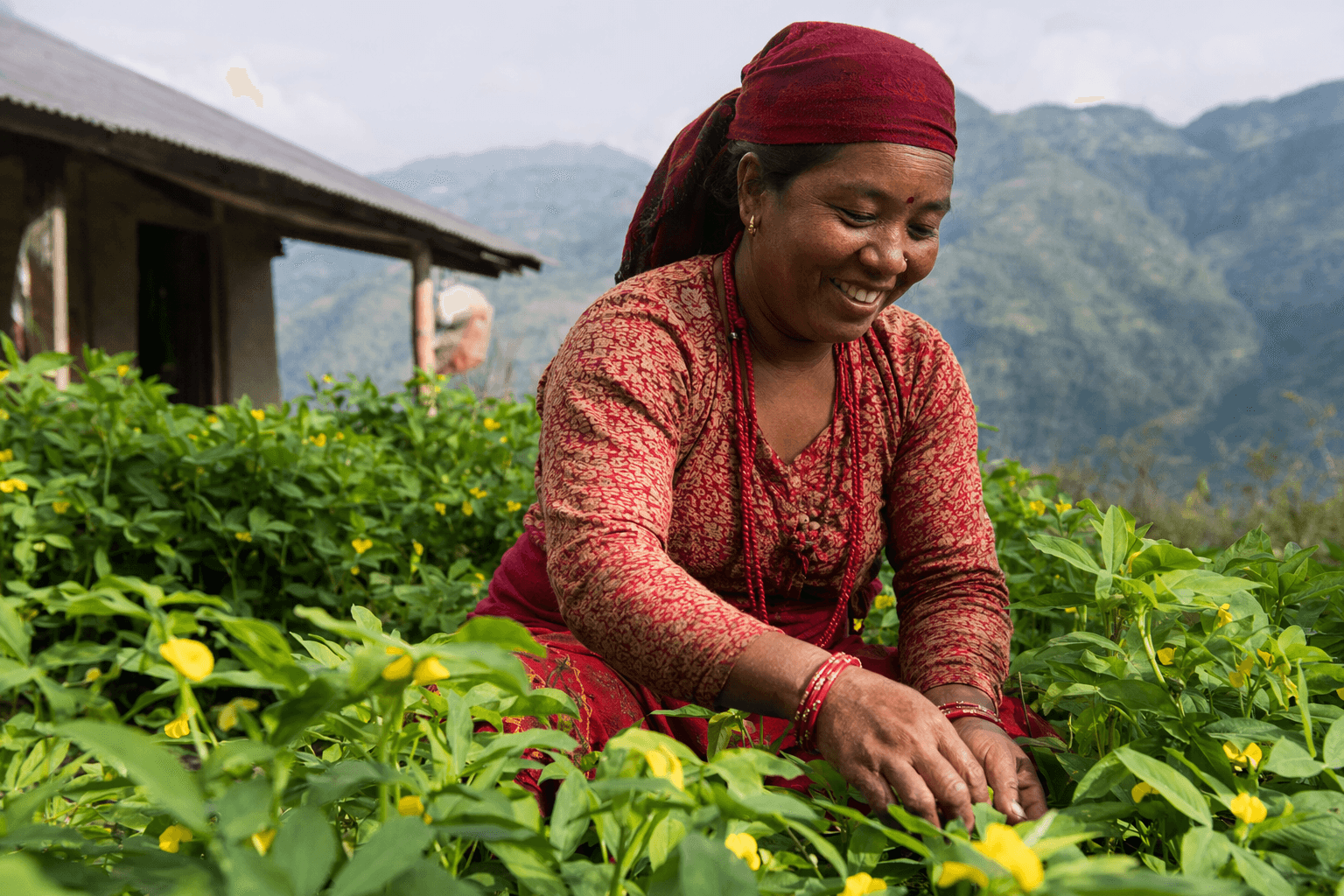
A new Nature study put hard numbers on a long-running economic blind spot: insect pollinators are not just sustaining plants, they are helping determine what smallholder families eat and how much they earn. By tracking individual diets, crop yields, farm income and crop-pollinator interactions in replicate communities in Nepal, the research linked pollination directly to nutrition and household cash flow.
That matters well beyond Nepal. Earlier research has shown that pollinators support about 88% of the world’s flowering plants and 76% of leading global food crops, but the value of that support has often been treated as an ecological abstraction rather than an economic fact. In Nepal, that value was estimated in a 2024 Nature Scientific Reports study at US$477 million a year, equal to 9% of total agricultural revenue. For a farm economy that depends heavily on a narrow set of harvests, that is not a side benefit. It is part of the country’s agricultural infrastructure.
The nutritional stakes are equally clear. When pollination improves crop quality and yield, it can widen diets and raise the intake of nutrients that come from fruits, vegetables and other pollinator-dependent foods. When pollinators decline, the effect can run in the other direction, leaving vulnerable households with less diverse diets and weaker farm earnings at the same time. That is why the issue increasingly reaches public health, not just conservation. In the Global South, where many smallholders rely directly on pollination-dependent crops, the loss of pollinators can translate into higher food insecurity and less income from the same acres of land.
The policy case for valuing pollination is also getting stronger in Europe. A 2025 study in France quantified the economic value of insect pollination across all French departments, while another in Portugal said it provided the first economic valuation of pollination services for crop production there in more than four decades. Together with the Nepal findings, those studies suggest governments are starting to measure pollinators the way they measure roads, water systems and other assets that keep local economies functioning.
The science points to a familiar set of threats: habitat destruction, land management and pesticide use are the top three global causes of pollinator loss, according to a 2021 risk-index study. Climate change adds another layer of pressure. The economic case for action is becoming harder to ignore, because every decline in pollination can ripple through food prices, farm income and nutrition at the national level.
This article was produced by Prism’s automated news system from verified source data, official records, and press releases, then run through automated quality and moderation checks before publishing. The system is built and supervised by the people who set the standards it runs under. Read our full AI policy.
Did this article answer your question?