Deadly rainstorm in Chongqing leaves 17 missing, three dead
A two-hour deluge dumped 296.6 mm on Yongchuan, leaving 17 missing and exposing how quickly mountain districts can be cut off.
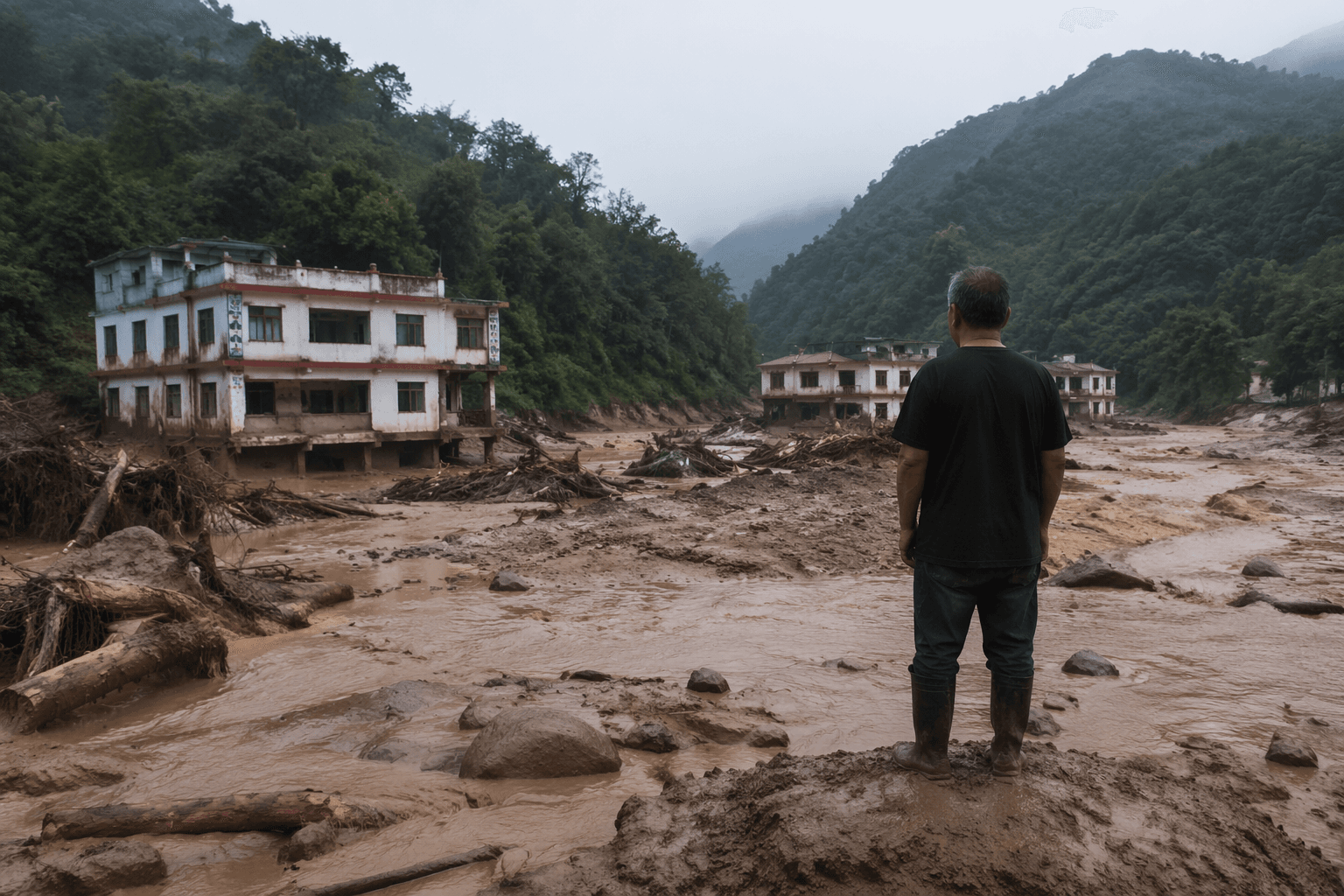
A violent overnight rainstorm in Chongqing’s Yongchuan District killed three people and left 17 unaccounted for after water surged through hilly terrain that is especially prone to landslides and flash flooding. In a separate update, two more people were reported missing in nearby Beibei District, bringing the total number of missing in Chongqing to 19 in that report.
The hardest-hit area was Chashanzhuhai subdistrict, where rain came with alarming speed. Between 2 a.m. and 4 a.m. Sunday, the subdistrict recorded 296.6 mm of rainfall, with peak hourly intensity reaching 103 mm. That kind of burst can overwhelm drainage systems, destabilize slopes and isolate communities before rescue teams can reach them, especially in remote districts where roads and bridges are vulnerable to washouts.
China’s State Flood Control and Drought Relief Headquarters sent a work team to Chongqing on Sunday to guide flood control and disaster relief efforts. The Ministry of Emergency Management also activated a Level-IV emergency response for floods and geological disasters, signaling that authorities were treating the storm as both a water emergency and a terrain hazard. The response underscored the strain on local warning systems and emergency logistics when extreme rain arrives suddenly in mountainous country.
Yongchuan District’s geography helps explain why the storm turned so dangerous so fast. The district is described as hilly and mountainous, conditions that can turn heavy rain into a cascading emergency, with runoff gathering speed on steep slopes and cutting off access to villages and subdistricts. In that setting, the difference between a severe storm and a deadly one can be measured in minutes.
The Chongqing disaster came amid a wider spell of intense rain across southern and central China. Reuters reported earlier in the week that at least 21 people had already been killed in widespread flooding, with rain-related danger stretching across Jiangxi, Anhui, Hunan, Hubei, Guizhou, Guangxi, Guangdong and Hainan. Authorities allocated 150 million yuan for disaster relief as they moved to support hard-hit areas and restore public services.
Taken together, the storms are testing more than emergency crews. They are exposing how vulnerable rural infrastructure remains when prolonged rainfall and sudden cloudbursts hit mountainous districts that can be isolated quickly. In Chongqing, the search for the missing continued as officials raced to stabilize flood-hit areas and assess whether warnings, drainage and response systems can keep pace with a weather pattern that is growing more punishing across China.
Know something we missed? Have a correction or additional information?
Submit a Tip